Packaging bought, packaging issued and packaging discarded are different records. Start with one item and one period so a stock gap does not turn into an unsupported waste claim.
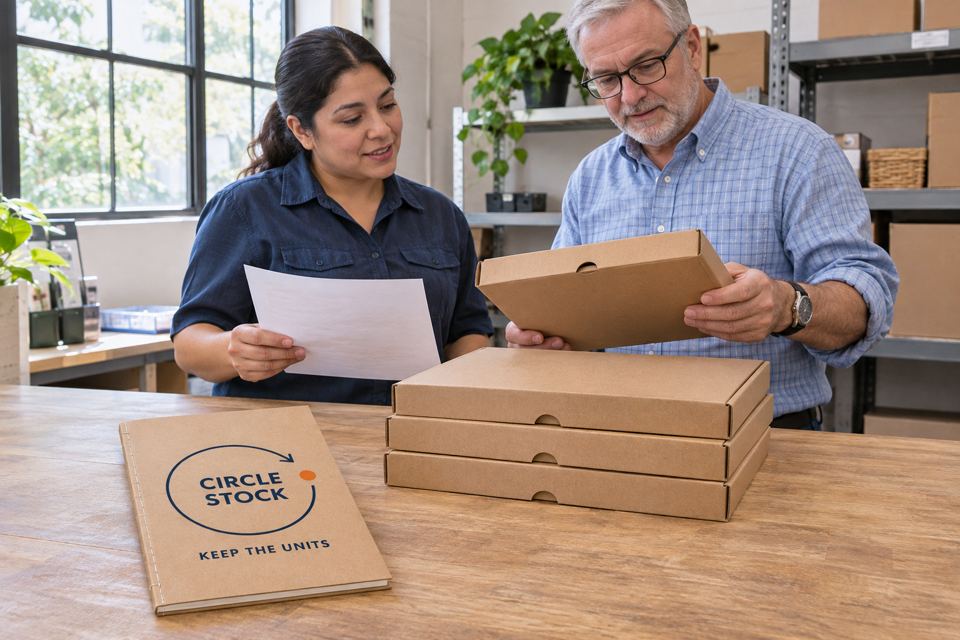
Define one item, location and time window
For a packaging stock check, record the opening count, receipts and closing count for the same item, unit, storage area and period. Then compare the calculated outflow with documented issues, transfers and damage. A remaining difference needs explanation; it is not automatically discarded waste.
The EPA identifies records examinations as one approach to a waste assessment, alongside walk-throughs and waste sorts. A stock reconciliation is a narrower starting point: it helps establish what happened to a particular supply item before a broader waste claim is made.
For International Day of Zero Waste on March 30, a small retailer can use this review to find an information gap rather than assume a new giveaway is needed. Store models differ: a self-bagging retailer, a warehouse using available boxes and a refill counter do not necessarily need the same packaging purchase.
Pick a clearly identifiable item, such as one size of unused dispatch carton. Count individual cartons throughout. If a supplier invoice says ten bundles of twenty, retain that original entry and show the conversion to 200 cartons. Do not mix carton counts with pounds of collected material or cubic yards on a hauling record.
A worked record shows where the unknown sits
The following is a fictional weekly record for carton item C1 in one receiving-area supply rack. It is not a real store measurement or a purchasing forecast.
Circle Stock — example carton reconciliation
Item: C1, one carton size.
Unit: individual unused cartons.
Boundary: receiving supply rack, Monday opening to Friday closing.Opening stock: 100.
Receipts: 10 bundles × 20 cartons = 200.
Closing stock: 80.
Calculated stock outflow: 100 + 200 − 80 = 220 cartons.Documented issues for dispatch: 180.
Documented damaged units removed from usable stock: 8.
Transfers: none recorded; not independently confirmed.
Unexplained balance: 220 − 180 − 8 = 32 cartons.
The record supports “220 cartons left the counted supply stock.” It does not support “220 cartons became waste.” The 180 issued cartons went into dispatch according to the example log. The eight damaged units left usable stock, but their later disposal or recovery route has not been established. The remaining 32 still need investigation.
The distinction matters before ordering replacements. If 32 cartons were moved to another cupboard, they may still be available. If the bundle size was entered incorrectly, the receipt quantity may be wrong. Neither possibility should be silently converted into customer demand or waste generation.
Ask a question that can resolve the balance
“For carton C1, Monday-to-Friday rack outflow is 220 units. Dispatch records show 180 issues and the damage log shows eight removals. Can we confirm whether the remaining 32 reflect a transfer, missing issue entry, receipt-unit error or count correction? Please keep any correction linked to its original record.”
Check the records with the people responsible for receiving, issuing and counting the item. A colleague who stocks the rack is not necessarily authorized to approve a new order. Keep a correction’s reason and source; do not overwrite the original number merely to make the balance reach zero.
If the explanation is unavailable, report “32 cartons unresolved at review.” That is a finished review finding with a clear limitation, rather than a failed calculation. It tells the next person what remains open.
Keep a stock finding separate from a waste finding
The EPA’s records-examination worksheet treats recorded disposal quantities and their specified units as information to establish. It also notes the possibility that a hauler does not provide quantitative disposal or recycling data. A count of unused cartons leaving a rack does not fill that measurement gap.
For the example, a reasonable next step is to resolve the transfer question, confirm the usable stock available in all authorized locations and review actual upcoming dispatch requirements with the buyer. This record alone does not establish a weekly reorder rate, safety stock, supplier lead time or waste-reduction percentage.
If a later review measures discarded material, give it its own boundary, period and unit. Do not add 32 unexplained cartons to a weight total, and do not assume that material placed for collection was accepted for recycling. Keep source records and unresolved destinations visible.
Preserve the unit and correction trail
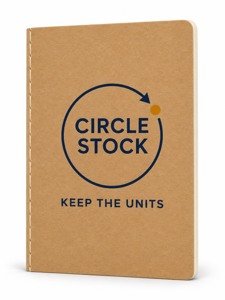
Your existing stock system or spreadsheet may be the best place for the record. If a small team needs separate custom notebooks for packaging records, this stitched kraft-cover A5 book lists 80 blank sheets, an 8.26 × 5.83 inch size and a current minimum of 12. A pen is not included.
Compare custom notebooks and padfolios and confirm the selected artwork with DecentCustom. Keep the item, location, dates, original unit and correction reference together. The illustrated notebook organizes notes; it does not certify a waste audit or establish an environmental benefit.