A busy information table can show that an activity took place. To learn from it, define what each count represents and keep unmeasured outcomes out of the headline.

Decide what you can observe before collecting numbers
Report the activity you actually counted, state its time window and keep the unit beside the number. Table visits, returned exercise sheets and measured water use answer different questions. None should silently become another.
For a World Water Day information session, a simple tally can help the next host understand what happened. Decide whether a mark means a visit to the table, an entry to the room or a returned sheet. A person returning to the same table can create a second visit. If you did not distinguish individuals, do not report the tally as unique attendees.
The CDC’s program-description guidance separates program activities and outputs from intended changes or outcomes. That distinction is useful here: distributing an exercise demonstrates an activity; it does not establish what changed afterward. This article’s small report is an editorial example, not a validated assessment instrument.
A complete example keeps different records separate
Suppose fictional Riverline Review runs a 12:15–12:45 p.m. learning table. The host uses anonymous sample meter records, not private household bills. Before starting, the host defines a completed sheet as one that includes the volume unit and both reading times.
Riverline Review — example session record
Window: 12:15–12:45 p.m., 30 minutes.
Table visits: 24. Each arrival counts, including a return visit; unique people were not recorded.Exercise sheets returned: 14.
Sheets containing the unit and both reading times: 10.
Sheets missing a required item: 4—two lack the unit, and two lack one or both times.Check: 10 + 4 = 14 returned sheets.
Completion proportion: 10 ÷ 14 × 100 ≈ 71.4% of returned sheets.Not measured: knowledge before the session, household follow-through and water saved.
The denominator is the 14 returned sheets. It is not the 24 table visits, all people in the building or every person who took a handout. Returned sheets may differ from sheets that were not returned. Even a fully filled sheet does not show whether the person learned something new during the session.
Write the conclusion the record supports
A usable summary for that example is:
“During the 30-minute example session, the table recorded 24 visits, including possible returns. Fourteen exercise sheets were returned; ten included the unit and both reading times. Four omitted at least one required item. We did not measure learning gains, household actions or water savings.”
A headline such as “71% of visitors now save water” would replace a sheet-completion measure with an unsupported claim about people and behavior. “24 households helped” would also add information the visit tally did not collect.
For actual water-use work, the EPA’s facility water-management guidance discusses planning and using meters or submeters to track use and savings. A session tally supplies no water-volume measurement. Even a later change in a meter record needs its own conditions and interpretation; it cannot automatically be attributed to a campaign.
Write water savings as “not measured” when that is true. Writing zero would suggest a measurement found no savings. An estimate likewise needs a stated method and inputs; it cannot be created by multiplying attendance by an assumed amount saved per person.
Turn one observed omission into a specific next step
The four incomplete sheets suggest checking the exercise instructions. An appropriate next-session change is: “Place a visible ‘unit’ field beside the reading and separate boxes for the first and second times.” Keep the original example and completion rule, then review returned sheets under that same rule.
This is a proposed improvement, not proof that the new layout works. Record the next session’s circumstances and missing sheets before comparing results. A different audience or activity can change the comparison.
If visitors were unsure what the session offered, first write a visitor-ready water-awareness invitation. A community host or retail counter should describe its actual educational role; an exercise completion record does not establish utility diagnostic or billing authority.
Keep the definitions with the results
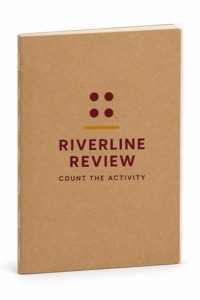
An existing spreadsheet, tally sheet or notebook can hold the record. If a group wants separate custom notebooks for event review notes, this stitched kraft-cover A5 format lists 80 blank sheets and an 8.26 × 5.83 inch size. The current minimum is 12 books; the pen is not included.
Compare custom notebooks and padfolios and confirm the selected artwork with DecentCustom. Preserve the tally definition, time window, completion rule and unknowns beside the totals. A printed notebook organizes the notes; it does not validate an evaluation or measure water use.