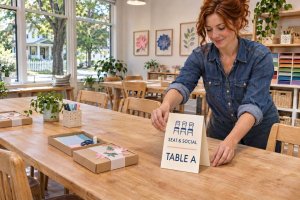
Choose how the group will be photographed before inviting people into the picture. A camera-facing format can give a small community a workable starting point without an elevated viewpoint.
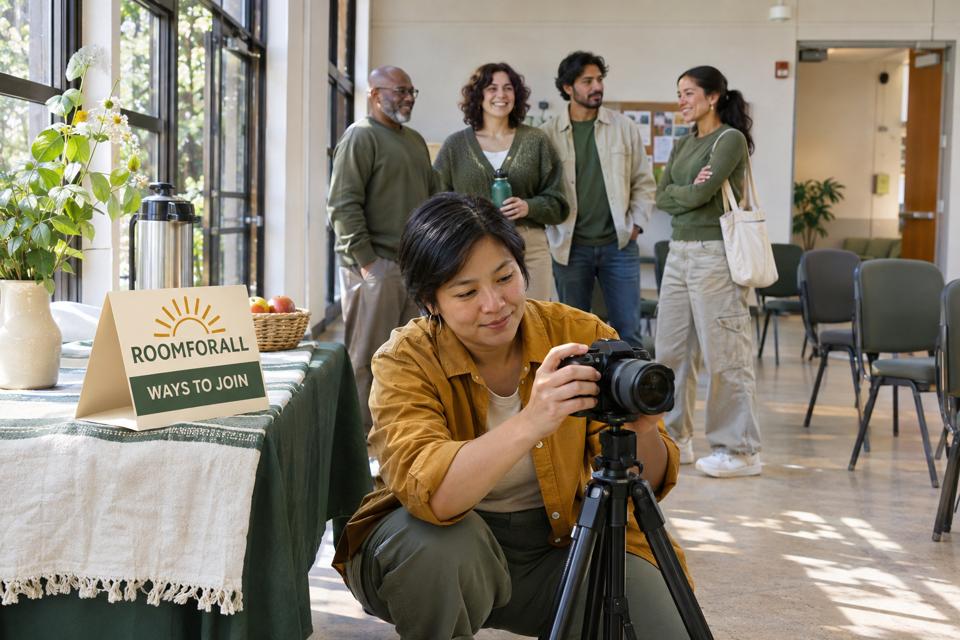
A human ribbon does not have to depend on an overhead photograph
The official World Cancer Day ribbon activity invites communities to form a human cancer ribbon for 2027. It welcomes groups of different sizes and describes a camera-facing alternative when an elevated viewpoint is unavailable. The page also says the activity can use an ordinary camera or phone and the resources already available to the group.
For a small host, that creates a useful planning choice: decide the photograph you can actually organize, then write the invitation around that format. Do not promise an aerial image and only later discover that the venue has no suitable arrangement. This guide develops a ground-level, camera-facing example; it does not offer instructions for rooftops, drones or elevated camera positions.
Start with the venue’s responsible person and the intended photographer. Check the usable space, the camera position and how people will enter and leave the activity. Ask what arrangements participants need rather than describing the venue as accessible without checking it. If the proposed format cannot accommodate the actual group, change the plan before ordering matching materials.
A symbol of solidarity is the purpose of the photograph. It is not evidence that care improved, that everyone shares a medical experience or that a host has an official partnership. Keep that distinction in the invitation and any later caption.
A completed fictional brief for a camera-facing activity
Roomforall is a made-up community host. The following is a planning example, not an announced event or a permission record. Its coordinator chooses a camera-facing arrangement inside an existing community gathering. The photographer stays at ground level. The host will explain the shape in person instead of asking visitors to interpret a complex diagram on a small sign.
| Brief field | Decision in this example |
|---|---|
| Purpose and date | A voluntary community solidarity photograph during the fictional host’s February 4, 2027 gathering. No screening, treatment or fundraising service is offered through the activity. |
| Format | A camera-facing ribbon arrangement with the photographer at ground level. No elevated viewpoint is part of this plan. |
| Responsible roles | The event coordinator briefs the group. The venue contact confirms the actual space arrangements. The photographer checks the camera’s frame before inviting people into it. |
| Ways to take part | People may ask about joining the photograph, help with the gathering outside the photographed activity or attend without entering the camera frame. |
| Questions and changes | The welcome-table coordinator is the first contact. Space or participation requests are discussed before placement; unresolved arrangements mean the proposed photograph is paused. |
| Publication | The host has not completed its separate review for public use of the photograph. Public sharing remains on hold until that process is resolved. |
Notice what the brief does not do. It does not publish a pretend participant count, declare a universal arrangement for mobility needs or promise that a photo can be used everywhere. It identifies decisions and responsible people so the next step is clear. The venue and photographer still have their actual work to do.
The plan also avoids making the whole gathering a photo zone. The host needs to establish where the frame will be and explain the alternative ways to participate. A person should not have to discover the camera’s reach only after arriving. If the venue cannot support the stated choices, revise the activity and invitation together.
Write the invitation around the real choices
For the fictional plan above, a host-written invitation can say:
World Cancer Day: Ways to Join
Roomforall plans a voluntary, camera-facing community photograph during its February 4 gathering. You may ask about joining the photo, help outside the photographed activity or attend without entering the frame.
Please speak with the welcome-table coordinator about the arrangements before the photo begins. Public sharing of the photograph is not yet approved; the host will explain any proposed use through its separate review process.
This is complete example copy for the stated fictional arrangement. It is not permission to photograph someone or a standard legal form. A real invitation needs the host’s confirmed location, time, contact route and actual practices. If the activity will be recorded, streamed or publicly photographed under a different process, the wording must explain that reality.
Keep clothing requests proportionate to the chosen visual plan. A volunteer may already have suitable clothing, and a group may choose a mix of styles. Do not imply that buying a branded garment is necessary to attend. Work out the activity first; any optional merchandise should serve a confirmed need.
Give the coordinator a last check before capture
Before inviting people into position, the coordinator and photographer should compare the plan with the actual scene. Is the agreed frame identifiable? Are the explained alternatives still possible? Have questions and requested changes been addressed by the responsible people? If an answer is unresolved, pause rather than treating a printed invitation as proof that everyone agreed.
In this fictional example, the coordinator’s spoken reminder is short: “This is the optional photograph we described. Please ask me before joining if you have questions about the arrangement. You can continue attending without entering the frame.” The reminder follows the invitation; it does not replace the host’s separate process for photography and publication.
After capture, keep the publication decision attached to the actual image and intended channel. The World Cancer Day story-publication guide gives a separate example of checking a changed use. A photo suitable for an internal review is not automatically ready for a public campaign post.
A later caption should describe the activity that occurred, with the appropriate permissions and factual checks. Avoid calling every person a patient or claiming a clinical result from attendance. The event can express support without supplying personal histories or overstating what a photograph achieved.
A table prompt can direct questions, not organize the photograph by itself
Use the current event page and welcome team first. If an approved tabletop notice will help visitors find the coordinator, keep it focused on that single job. A small sign should not carry the whole venue plan or serve as a substitute for explaining photography choices.
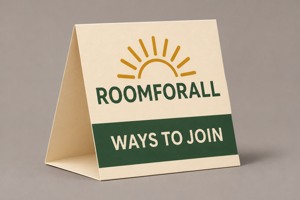
An optional welcome-table prompt
These custom table tents for event participation information are ordinary 5 × 7-inch paper displays with 14pt stock. The current page shows a default quantity and minimum of 25. Compare that requirement with the actual number of supported placements; an existing notice may be enough for one table.
Browse custom table tents for community events, then bring approved wording and placement needs to DecentCustom. No weather resistance, official status or photography permission is established by this paper product.
AI paper-product concept. Roomforall and all plans, roles and wording above are fictional. Official 2027 activity guidance and product fields reviewed November 16, 2026; no linked PDF was used. This article does not certify a venue, authorize photography or report an actual patient experience, health outcome or campaign partnership.