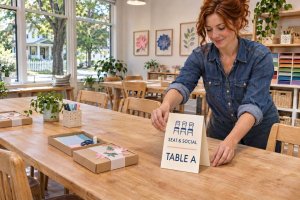
Before someone books a Galentine’s workshop with a friend, they need to know what one ticket buys and whether the finished project leaves with them. Resolve those details before designing the invitation.
Two real events, two different sets of expectations
“Bring a friend” describes the social occasion. It does not tell a guest whether one booking covers one person or two, whether refreshments cost extra, or whether a project needs to stay at the studio. Those details can determine whether friends can attend together and whether someone can return for collection.
Rosy Studio in Denver lists a Galentine’s candle workshop for February 13, 2027. Its description identifies a per-person price, a 5–6:30 PM session and beverages available to purchase. It also explains that candles cool overnight, with collection after noon on the next business day. A guest cannot infer take-home-at-closing from the session end time.
The Trustees’ Galentine’s card-making program at Fruitlands Museum in Massachusetts, also listed for February 13, 2027, describes materials and a festive drink as included, with instructor guidance. It identifies the program as 21+. These are that organizer’s stated terms, not a policy for every Galentine’s event.
The useful comparison is the difference in what each listing explains. Do not borrow another host’s inclusion, age condition or collection arrangement because its event sounds similar. Check the actual booking page again before printing; these examples were reviewed November 16, 2026, and are not availability recommendations.
Define the booking unit and the finished-item handoff
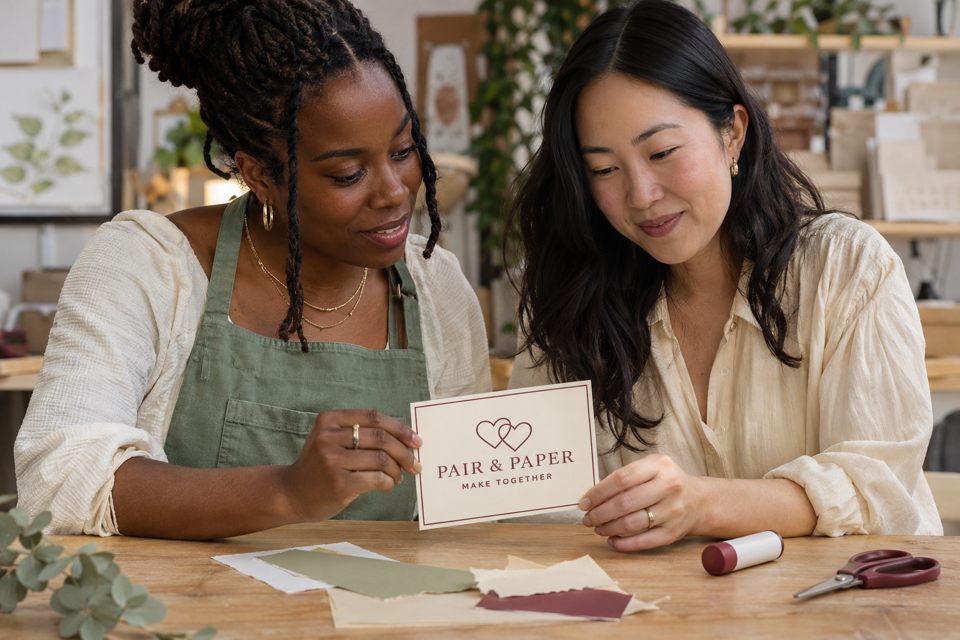
Start with the sentence a guest will use when arranging the outing: “If I buy this ticket, what have I booked?” If your system sells individual places, say so. A photo of two friends, two objects in a hero image or wording such as “a night for you and your bestie” should not be the only explanation of the booking unit. If you genuinely sell a pair package, identify the included places and projects explicitly.
Then connect the materials to the result. State what participants make and which materials or instruction the booking includes. Separate optional purchases from the included project. Avoid “everything included” if drinks, additional projects or upgraded materials cost extra.
Finally, distinguish workshop time from collection time. When a project cannot leave immediately, give the actual collection arrangement on the booking page and summarize that limitation in the invitation. Do not invent a pickup window to make the flyer look complete. A host who has not resolved it should finish that decision before taking bookings.
A completed fictional brief for a small paper workshop
Pair & Paper is a fictional studio. The example below is a writing exercise for a host, not an offer to attend. Its terms are deliberately its own; they are not copied from either real event above.
| Guest question | Recorded choice for this example |
|---|---|
| Does one ticket include my friend? | No. Each ticket reserves one participant’s place. Friends book a place each. |
| What will I make? | Two mixed-paper greeting cards, using the studio’s supplied paper, adhesive and decorating materials. |
| Is help included? | A studio host demonstrates the paper project and is available during the session. No previous paper-craft experience is required for this example. |
| Are refreshments included? | No food or drink is included. The invitation makes no complimentary-drink or bring-your-own claim. |
| When do the cards leave? | The two paper cards go home at the end of the session. The example has no later collection requirement. |
| Who can book? | The fictional host has chosen an adults-only, 18+ session. This is a host-set example, not a general rule for crafts or alcohol service. |
| Where are logistics and changes explained? | The real host’s approved booking page must supply the confirmed date, time, venue, price and cancellation terms before this example becomes usable. |
This brief is complete about the project scope, but it is not a finished event listing. A real business still needs to approve and insert its actual logistics and booking address. Keeping those facts unresolved in a clearly marked example is more honest than fabricating a venue or selling a nonexistent session.
Invitation copy that matches that brief
The project-and-inclusions portion could read:
Make Together at Pair & Paper
A Galentine’s paper-craft session for adults 18+.
Each ticket reserves one person’s place and includes materials to make two greeting cards, plus guidance from our studio host. Coming with a friend? Book one place for each participant.
No previous paper-craft experience needed. Take your two finished paper cards home at the end of the session. Food and drinks are not included.
Check the confirmed date, time, location, price and booking terms on the event page before reserving.
This wording leaves no suggestion that a single ticket includes a companion or a drink. Before using it, replace the fictional identity, confirm every inclusion and add the real approved logistics and booking route. Do not publish the sample itself as a ticket offer.
Check the invitation against what the booking page sells
Read the final artwork beside the actual booking page. The booking unit, age condition, materials, separate purchases and take-home arrangement should agree. If the page offers individual places but the card says “ticket for two,” stop and correct the mismatch rather than expecting a checkout note to explain it.
Open the exact printed address on a phone and confirm that it reaches this event, not the studio’s general catalog or an old session. A tested QR code can be an additional route; an AI-generated code pattern is not a working booking link. Keep a readable text route alongside any code and check it at the actual printed size.
Record the approved artwork version and the page it matches. If the host changes an inclusion or collection arrangement, update both. When the details are still changing, a current digital invitation may be the more practical choice.
Print a reminder only after the event facts are settled
A small card can point a visitor to the approved booking details, but it does not need to carry every policy in tiny type. Keep the key expectation-setting facts visible and send readers to the current full terms. If there is no useful take-away role, use the digital notice without ordering print. For another event-planning example of separating fixed artwork from changing details, see our guide to dated event notices and reusable team artwork.
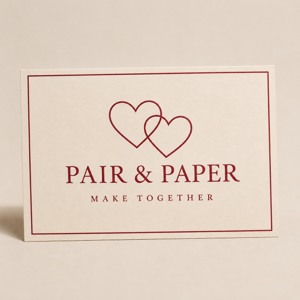
An optional workshop reminder card
These custom postcards for an approved workshop invitation offer a 6 × 4-inch size and show 16pt as the default stock. The page lists order increments of 50; confirm the actual minimum and supported quantity rather than treating the increment as a verified minimum.
Compare custom postcards for local event reminders, then bring the approved copy, event-page address and readable artwork requirements to DecentCustom.
AI illustrations show fictional branding and a paper-card concept. Real event descriptions are source examples, not DecentCustom events or endorsements. No booking, print proof, live availability, delivery date or legal/alcohol-service advice is supplied.