A red shirt, a flag graphic and a U.S. business address answer different questions from where a garment was manufactured. Keep the design decision separate from the evidence needed for an origin statement.
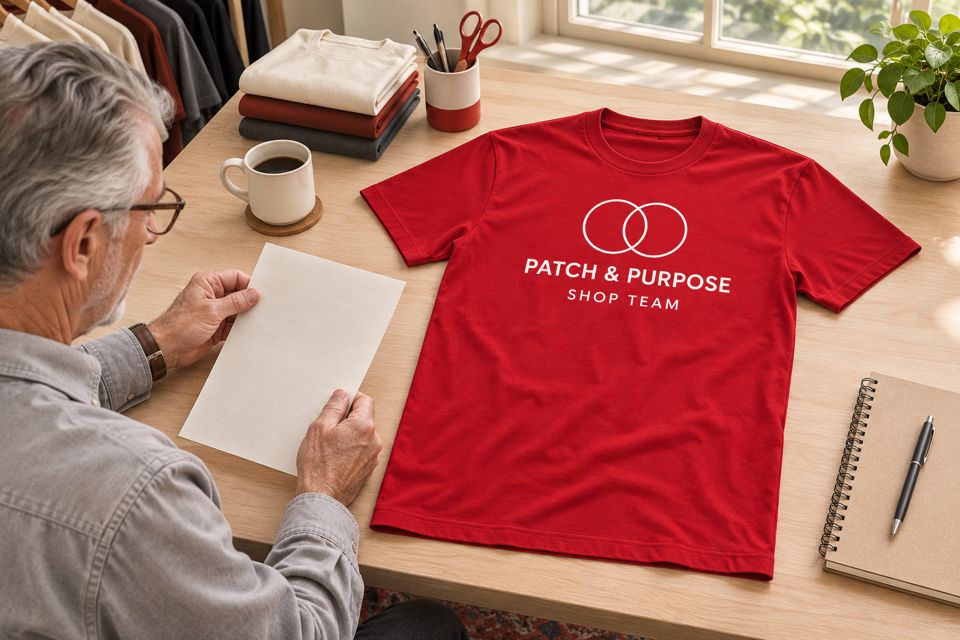
Patriotic artwork is not manufacturing evidence
A buyer planning Presidents’ Day shirts may want a team emblem, red-white-and-blue colors or a holiday message. Those are artwork choices. They do not establish where the fabric was made, where the garment was manufactured or where the decoration will be applied.
The FTC’s Made in USA guidance considers the overall impression of advertising, including implied origin claims. A flag or U.S. geographic reference can suggest domestic origin in context. A statement about one process also needs evidence and must not imply a broader manufacturing claim than it supports.
Read the whole proposed presentation: garment artwork, hangtag, product description, packaging and photograph caption. “Printed in the U.S.” is a different claim from “American-made shirt,” and it should not be added without verification of the actual printing arrangement. A warehouse address, seller’s address or shipping point does not answer either manufacturing question.
Clothing needs its own origin review
Do not treat a generic domestic-content slogan as an apparel labeling decision. The FTC’s textile labeling guide addresses country-of-origin information on garments and in internet product descriptions. The advertised origin description must agree with the product’s labeling. Required origin information must not be covered by another label.
This creates two separate jobs: substantiate any voluntary origin claim in the campaign, and confirm the required apparel labels and product disclosures. Removing “Made in USA” from a graphic does not complete the second job. This article helps prepare the evidence request; it does not determine a garment’s legal country of origin or replace an apparel compliance review.
A completed review can end with a hold
Patch & Purpose is a fictional shop ordering red team shirts. The buyer has an artwork concept and a product-page specification, but has not received origin documentation. Its review should show what remains unknown instead of filling every field with a convenient country.
| Question | Recorded example decision |
|---|---|
| Which item is being reviewed? | The selected red short-sleeve crewneck, exact supplier item and sizes to be confirmed on the quote. An unrelated shirt’s label is not sufficient. |
| Garment manufacturing country | Unverified. Request the actual item’s country-of-origin information and a readable label reference. |
| Decoration location | Unverified. Ask separately where this order’s decoration will occur. |
| Proposed origin wording | Hold “American-made,” “Made in USA” and printing-location claims until the applicable facts and presentation are reviewed. |
| Artwork direction | A simple store emblem and “Shop Team.” This neutral concept does not substitute for required origin labels or disclosures. |
| Release decision | Artwork may be developed locally; sourcing claims and final purchasing approval remain pending the missing information. |
If domestic manufacture is a firm purchasing requirement, an unknown origin does not qualify. Keep the product selection on hold or investigate a documented alternative. Do not quietly change the purchasing requirement into “ships from the U.S.” just to finish the order.
If the aim is simply a store-team design, document that purpose. It still needs an appropriate garment, accurate product information and the required labels. Neither this example nor the illustration establishes the origin of the linked product.
A supplier request that separates the missing facts
For the exact red short-sleeve crewneck and sizes on our proposed order, please provide the garment country-of-origin information and a readable reference for the actual required labels. Confirm whether origin varies by size, color, batch or substitution.
Please identify the location where our decoration would be performed separately from the garment’s manufacture. We have not approved an American-made or U.S.-printing claim. Please flag any proposed substitution before order approval so we can review its specifications and origin information.
This is draft wording for the buyer to adapt; no supplier message has been sent. Keep the response tied to the actual quote and product version. If a later substitution changes the garment, review the replacement rather than carrying over the old evidence.
Before publishing a holiday offer, compare the approved origin wording with the final listing and promotional copy. The Presidents’ Day sale-sign guide covers a different check: whether eligible items, prices and offer conditions match the selling process. Accurate origin information does not verify an advertised discount, and correct price arithmetic does not verify origin.
What the current shirt page establishes—and what still needs confirmation
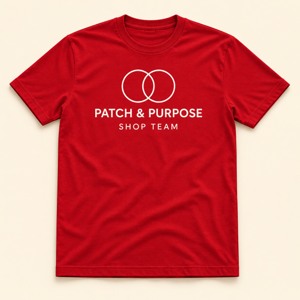
The linked custom short-sleeve crewneck T-shirt lists cotton fabric at 170 GSM, sizes XS–3XL and a red option. The current quantity field starts at two; the specification’s 72-piece case pack describes a different quantity concept.
The reviewed product information did not verify this SKU’s manufacturing country or this order’s decoration location. The AI shirt concept therefore makes no origin statement. Review custom T-shirts for other garment options, then give DecentCustom the actual item, size list, artwork and any sourcing requirement before committing to a selection.
Confirm the selected garment and supporting information rather than transferring an origin statement from another style. This guide does not authorize replacing or covering a required garment label.
Questions buyers often need to separate
Does a U.S. seller mean the shirt is American-made?
No. Seller location and garment origin are different facts. Obtain information for the actual item instead of inferring manufacture from the contact address.
Can a logo design establish where decoration happens?
No. A digital mockup shows an intended appearance. It does not document a factory, printing location or production batch.
What if the supplier changes the shirt after approval?
Ask for the replacement’s specifications and origin information before accepting it. Keep the approval attached to the actual product being supplied, not just the holiday artwork file.