The campaign date is a reference point. A local venue, activity, registration route and materials plan each need their own confirmation before they appear in an Earth Month notice.
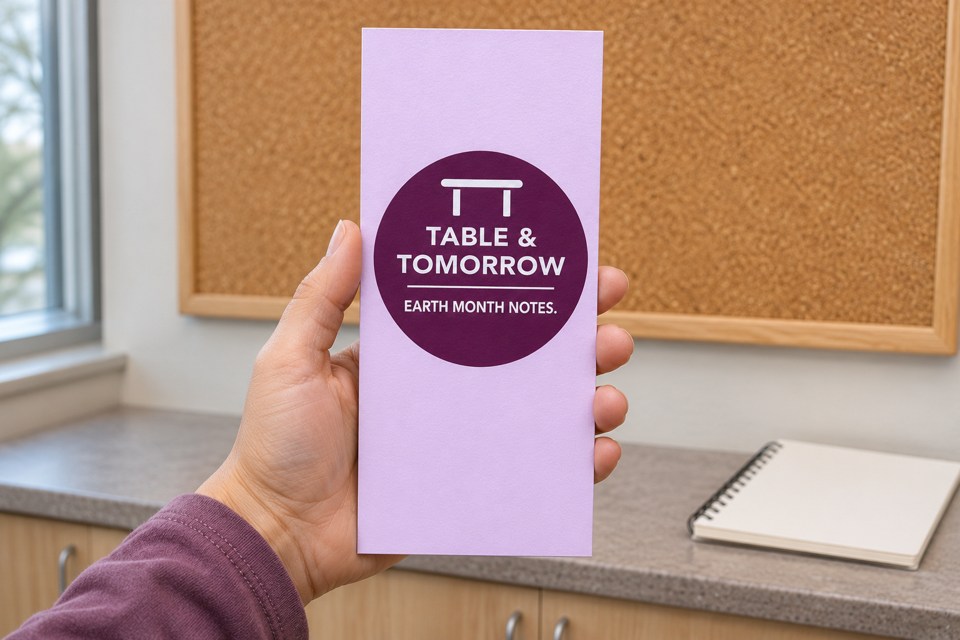
Use the 2027 campaign page as a dated source
At the November 13, 2026 review, EARTHDAY.ORG’s Earth Day 2027 page identifies Food for Our Planet™ as its theme and gives Thursday, April 22, 2027 as Earth Day. It describes activity building through Earth Month in April, with resources, toolkits and participation opportunities rolling out as the campaign develops.
Those statements establish the campaign’s published theme, date and resource status at this review. They do not reserve a local room, confirm a workshop, open your registration or identify a delivery deadline. Recheck the source before using it in a new notice. An older Earth Day graphic may carry a different year or campaign theme.
A local group can discuss food-related learning or planning without implying that a particular product has environmental or health benefits. Keep the educational purpose and any supported product facts separate. Using an Earth Month heading does not establish official partnership.
Give each decision its own confirmation field
| Field | Confirmation source | What to keep separate |
|---|---|---|
| Campaign reference | The current campaign owner’s page, with year | The date of your own activity |
| Local activity | The responsible host and venue’s approved details | A proposed room, date or activity |
| Registration | The host’s actual participation route and status | A general campaign link or interest list |
| Materials ready | The approved content, quantity and actual preparation arrangements | Assumed production or delivery timing |
Write down who owns each field and where updates will appear. Use “pending” in the working plan when a decision is unresolved. Do not turn an empty field into a plausible date or suggest that an expression of interest reserves a place.
The local activity might be on Earth Day or another approved date. The campaign reference should not override a host’s schedule. Similarly, a host’s confirmed event does not mean every campaign toolkit has already been released.
Work backward from a real use date
Identify when a material will actually be used: a planning meeting, an approved information point or a confirmed event. Then check what must be ready first, including content approval, accurate links, final quantity and any printing and delivery arrangements.
Do not publish a universal “order by” date from the campaign calendar alone. The required preparation time depends on the actual item, artwork, quantity, destination and confirmed service arrangements. A tentative activity cannot supply those missing inputs.
Reuse an existing digital notice while details are changing. If print has a clear use later, distinguish stable information from dates and instructions that may change. Keep an identifiable owner for corrections rather than leaving an old handout as the only information route.
Finish a useful notice without inventing an event
Fictional planning example: Table & Tomorrow starts drafting a notice for an April 22 food-learning workshop because that is the published Earth Day date. The room has not been approved, no host has confirmed the activity and there is no registration route.
The coordinator removes the workshop time and booking language. The approved notice instead says: “Earth Day is April 22, 2027. Explore EARTHDAY.ORG’s current Food for Our Planet information. Our local activity details are not yet confirmed.” It links to the actual campaign page and clearly separates that reference from the group’s pending plan.
The coordinator also holds the date-specific print order. When the responsible host confirms an activity, the group will prepare a separate event message with the actual venue, date, participation route and update owner. For now, the finished notice provides a reliable campaign reference without presenting a nonexistent workshop or an unverified order deadline.
Choose a printed format after the information is stable
A dry indoor information card
These custom rack cards for Earth Month information are listed at 3.74 × 8.27 inches, with 14pt standard paper as the default thickness and a current minimum quantity of 50. The small image is an AI artwork concept.
Compare custom rack cards when an approved indoor information point has a real need for print. Review the actual artwork with DecentCustom. This paper card is not food packaging, an environmental certification or proof of an official campaign partnership.
The current campaign link, an existing digital notice or a plain handout may already answer the reader’s question. Confirm the purpose and quantity before adding print.
Campaign page and product listing checked November 13, 2026. Resource availability and local arrangements can change. The notice example is fictional; no venue, registration, partnership, purchase, delivery commitment or environmental result was arranged or verified.