Choose a local concern your group can actually address, name who will act and agree how to check the follow-through. Listening is a starting point; an unassigned promise is not a completed action.
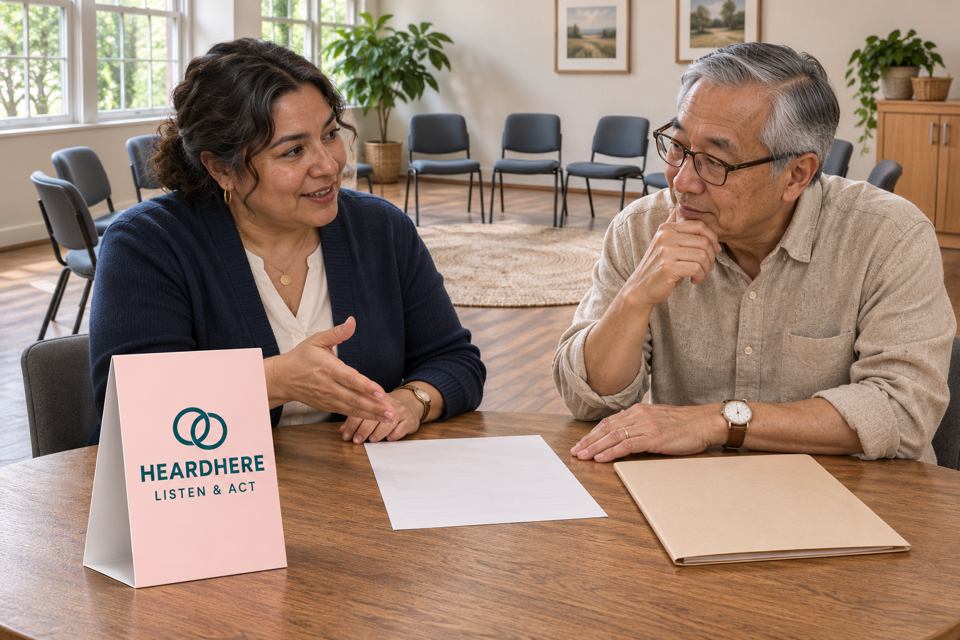
Make the 2027 focus useful to your own group
World Cancer Day takes place on February 4. UICC’s November 2026 announcement for the 2027 campaign identifies February 4, 2027 as the final year of the United by Unique theme, with a move from listening toward action. For a community organizer, that invites a practical planning question: what could this group responsibly change after hearing a concern?
The official event-organizing guide starts with the activity’s aim and encourages early planning, including assigning responsibilities. A discussion, fundraising event and clinical service have different purposes and responsible people. Choose the actual activity before ordering branded materials.
A local listening session can identify something worth checking. It cannot establish how common that concern is among people affected by cancer. UICC itself describes its campaign story analysis as a listening exercise rather than a representative scientific dataset. Apply the same care to your own small group: keep the observation local and make the proposed response proportionate.
For a community venue, the useful action may concern its own event information or contact route. Treatment questions, care decisions and clinical services belong with the appropriate professionals and organizations. The facilitator’s action record should not turn a participant’s experience into an unqualified promise to improve cancer care.
A filled record: from a concern to a checked event-information route
Fictional walkthrough, not an announced event, actual patient feedback or evidence of a health outcome. Heardhere is a made-up community program planning a World Cancer Day discussion. In this example, a practical concern emerges: visitors cannot easily tell whom to ask about the event’s arrangements. The coordinator records the issue without attaching a person’s medical history or publishing a personal story.
The group considers two responses. Printing another general awareness poster would not answer the contact question. Clarifying the host’s existing event page and public notice would address the stated gap. The coordinator chooses the second response and completes this record:
- Concern: the event information does not clearly identify the route for practical questions about attending.
- Scope: this host’s event arrangements only. The note does not establish a wider patient-navigation problem.
- Action: add the approved practical-event contact route to the existing event page and venue notice.
- Owner: Heardhere’s event coordinator, with the venue manager responsible for confirming which public route the host can support.
- Approval needed: venue manager confirmation of the route and permission for the notice. A suggested contact is not yet an approved one.
- Review date: February 11, 2027, in this fictional example. The owner must choose an achievable date for the actual event.
- Completion check: a colleague opens the current event page on a phone, finds the practical-question route, and confirms that the venue’s displayed notice gives the same information.
- Evidence to retain: the approved wording, page version, confirmation from the responsible manager and the colleague’s check result.
In the fictional walkthrough, the venue manager confirms its supported public route. The coordinator updates the existing approved notice and event page. The colleague finds the route on the page, compares it with the notice and reports that the wording agrees. The coordinator can close this specific action: the event-information route was clarified and checked.
That is the endpoint of the example. It does not show that cancer services became easier to access, that participants received clinical support or that the change improved health. Those would be different questions requiring appropriate evidence.
If the manager cannot confirm the proposed route, the action remains open. Record the unresolved approval and a revised review date; do not mark it complete because artwork was produced. A visible owner and next review are more useful than a broad promise that no one has accepted.
Use status wording that matches the record
Give the group a short update that says what happened and what remains. These two example messages belong to different stages:
While approval is pending: We have assigned the event coordinator to confirm and clarify the route for practical attendance questions. The venue manager’s confirmation is still pending. The next review is February 11. We have not yet changed the public information.
After the fictional completion check: The host’s approved practical-event contact route has been added to its event page and venue notice. A colleague opened the page on a phone and checked that the two versions agree. This closes the event-information action; it is not a report of clinical or health outcomes.
Keep private experiences out of a public update unless the appropriate separate process for sharing them has been completed. An action summary can explain the administrative improvement without turning someone’s story into promotional copy.
For a related example of keeping evidence and claims aligned, the workshop recap guide separates participation, a task check and outcomes. Here, the same distinction helps keep “we changed the notice” separate from “we improved care.”
Use a printed prompt only when it has a clear job
Start with the host’s existing approved notice and current event page. A tabletop prompt may help explain how to take part at an authorized information table, but it cannot assign an owner, confirm a contact route or replace follow-through. Keep the host’s identity separate from official campaign branding and any unverified partnership.
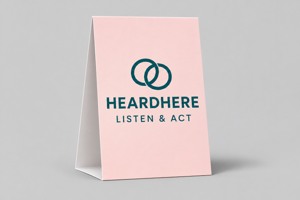
An optional community-session table prompt
These custom table tents for community session information are ordinary 5 × 7-inch paper displays with 14pt stock. The current product page shows a default quantity and minimum of 25. Compare the full order requirement with the real distribution need before ordering.
Explore custom table tents for event information, then bring approved wording, artwork and placement requirements to DecentCustom. An existing notice may be sufficient.
AI paper-product concept. Heardhere is fictional. The display is not a medical resource, an official campaign credential or evidence that an action has been completed.
Finish with the next responsible step
Before closing the record, ask whether the named owner accepted the action, the necessary approval arrived and the stated check was performed. If any answer is missing, keep that part open rather than replacing it with a promotional success statement.
A useful local result can be small and specific. Record what changed, who checked it and what the check did not establish. That gives the next organizer something they can follow up, while respecting the people whose experiences made the conversation matter.
Campaign and organizer guidance and product fields reviewed November 15, 2026. All Heardhere feedback, roles, dates and actions are fictional teaching examples. No actual patient testimony, clinical activity, health improvement or campaign endorsement is claimed.