A reply target tells someone when to expect contact. It does not reserve a visit. Make each message name the current stage and the person responsible for the next confirmation. Before explaining a timeline, separate the service and its scheduling owner.
The practical test is simple: after reading the message, can someone tell whether a date is actually booked, what remains unresolved and which office handles the next question?
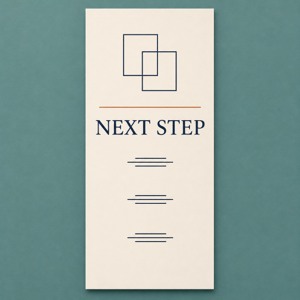
AI illustration of reviewing scheduling language. The coordinator, blank notes and Next Step artwork are fictional; no actual appointment, waitlist or patient record is shown.
Name the stage before giving a time
Stage
What the message means
What still needs confirmation
Request received
The office has received the submission.
Review, response and any appointment.
Staff replied
A person has responded to the inquiry.
Any unresolved arrangement; a reply alone does not book a visit.
Waitlist or availability review
The requested arrangement remains pending.
A specific offer and the provider’s confirmation process.
Visit confirmed
The provider has confirmed the actual arrangement.
Any later change, which requires its own confirmation.
Seattle Children’s visit information describes reviewing intake information before calling to schedule. It is one concrete example of review and scheduling being separate steps.
Keep a response target separate from an estimated wait
Seattle Therapy Network’s New Clients page states a two-business-day response target and separately describes an estimated wait for appointments after 3 p.m. Those statements concern different stages. They do not promise that therapy starts within two days, and they do not establish another provider’s availability.
For your own message, identify whether a time refers to contact, review, an estimated wait or a confirmed appointment. Give estimates their applicable service and conditions, with a way to check the current status. Do not turn an old estimate into a guaranteed date or make “accepting inquiries” mean “a suitable appointment is available.”
If two published pages disagree about available days, ask the responsible office to resolve the difference before using either in a reminder. A public guide can direct that question; it cannot settle the individual booking.
Worked example: replace an ambiguous thank-you message
Fictional example: a coordinator has replied to an intake request. The requested after-school time is still pending, and no visit has been booked. A generic “Thank you—see you soon” message would obscure that status.
Clearer status message: “Our coordinator has replied to your request. Your requested after-school appointment remains pending availability; no visit date is confirmed. The scheduling coordinator will contact you through the office’s existing intake channel when there is a specific arrangement to discuss. Please use that same channel for changes to your request.”
The office’s internal handoff records the current stage, the scheduling coordinator as owner and the existing intake channel as the next route. The example contains no invented appointment date or promise that a slot will open. Before sending a real message, the office checks that its wording matches the actual record and that the intended recipient is authorized to receive it.
To finish, a colleague reads the message and answers three questions: Is anything booked? What is pending? Who owns the next contact? Here the answers are “no,” “the requested time” and “the scheduling coordinator.” If the real record does not support those answers, revise the message before using it.
Confirm a change through the responsible office
Changes need a clear handoff too. With A Little Help’s FAQ explains that continuity with the same caregiver is an intention that cannot be guaranteed. That provider-specific example is a reason to distinguish the current arrangement from a proposed replacement.
For any service, keep a change request separate from the updated confirmation. The responsible office should identify what changed, what remains agreed and which current instructions apply. Keep private dates, addresses and case details in its established channel. Reuse that channel and the maintained scheduling-information page before ordering more reminders.
Keep a printed reference to the stable process
For a confirmed reception need, custom rack cards for an approved scheduling-information route can identify the maintained page and office contact. Put individual visit details in the provider’s existing confirmation rather than on a generic public card.
The linked SKU is 3.74 × 8.27 inches, with a default 14pt glossy option and a starting quantity of 50. A holder is separate. Check an actual-size proof and rack card formats and options when preparing artwork with DecentCustom.
The Next Step image is an AI design concept, not an appointment confirmation or care credential. A paper reference can explain where to ask; it cannot shorten a wait or create a visit slot.
Sources and linked SKU reviewed November 15, 2026. Published provider targets and processes are examples, not verified response performance or current availability for an individual. The worked message is fictional; no clinical priority, eligibility, insurance or care outcome is assessed.