Give people enough information to decide whether the session fits, then explain what happens after they respond. An invitation, a registration request and a confirmed seat are different messages.
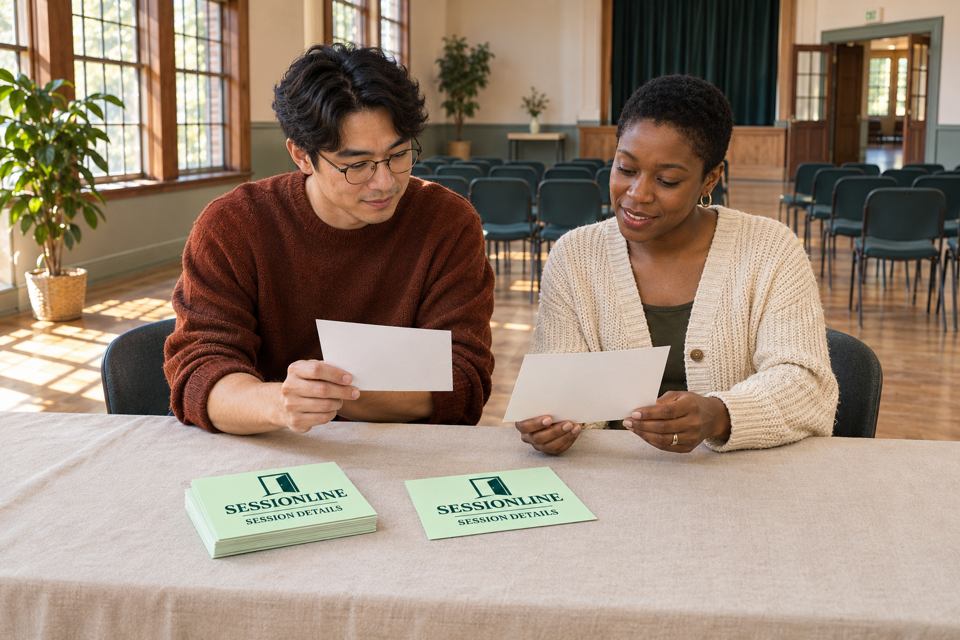
State what is happening before asking people to register
A useful financial wellness workshop invitation answers a practical question: “What am I being invited to do?” Name the learning task, intended audience, host, format and timing. If the session is general education, make that clear near the description rather than letting readers expect an individual consultation.
Separate an in-person workshop, a live online session and an existing recording. The PNC financial education calendar provides a concrete example: it lists live-event times separately from availability end dates and describes its own 90-day on-demand access. That is the provider’s stated arrangement, not a general rule for every workshop. A recording remaining available does not make its original live date a new event.
For your own session, verify the actual arrangement with its owner. State the time zone for a live event. If you cannot verify a recording, leave it unpromised. If registration only submits a request for review, use “request a place” and explain when the organizer will respond. Reserve “your place is confirmed” for an accepted participant.
A January theme alone does not supply a host, a date or an official Financial Wellness Month partnership. Develop the workshop’s specific learning task first, then release the invitation when its actual arrangements have been approved.
A complete fictional invitation and response sequence
Planning example only: this is not a real event or an invitation to register. Sessionline’s coordinator has approved an in-person adult resource-finding workshop for Tuesday, January 12, 2027, from 6:00 to 6:45 p.m. Central Time. The fictional venue is Sessionline Community Room A. The facilitator will demonstrate how to find a public bill-calendar resource using invented information. The organizer reviews place requests before accepting them.
1. Public invitation: explain the offer and the response
Finding a Resource for Organizing Bill Dates
An introductory in-person session for adults seeking general financial education. Practice finding a public bill-calendar resource using made-up examples. Bring a notebook if useful; no personal statements, account credentials or balances are needed for the exercise.
Hosted by the fictional Sessionline Community Program, Tuesday, January 12, 2027, 6:00–6:45 p.m. Central Time, Sessionline Community Room A.
Request a place through the host’s current event page. Submitting a request does not reserve a seat. The organizer will reply within two business days with an accepted place or the available next step. This session offers general education, not individual financial, investment, tax or legal advice. No recording is promised.
The response period in that example is a fictional organizer commitment. Use a period your actual team can support. Before release, the real event page would need an approved venue address, working request route and monitored contact route; none is supplied here because the event does not exist.
2. Request received: acknowledge without accepting
We received your request for “Finding a Resource for Organizing Bill Dates” on January 12. Your place is not confirmed yet. Sessionline will review the request and reply within two business days. Please wait for the organizer’s confirmation before making arrangements to attend. You do not need to send personal financial documents for this workshop.
This message tells the reader what has happened and what remains open. An automatic receipt should not carry a heading such as “You’re booked” when the team still needs to accept the request. If the organizer cannot offer a place, send a clear next step rather than leaving a receipt to stand as the last message.
3. Place accepted: confirm the actual session
Your place is confirmed for “Finding a Resource for Organizing Bill Dates,” hosted by Sessionline on Tuesday, January 12, 2027, 6:00–6:45 p.m. Central Time, in Sessionline Community Room A. This is an in-person general education session using fictional practice information. No personal financial documents are required. If you cannot attend, use the host’s approved contact route so the organizer can update the place list.
In a real confirmation, include the verified venue address and access instructions or the approved online joining route. Keep the wording consistent with the public page. If the venue changes, update that page and send a specific correction to affected participants through the host’s normal process. An old printed invitation cannot make a later location change disappear.
Correct a live-versus-recorded headline
Suppose a source lists a past live date with later recording access. “Join the live workshop tomorrow” would misdescribe it. A more accurate notice would say “Recorded resource session,” identify the provider’s current access page and state an access end date only after checking it. Do not transplant the PNC access period into a different organizer’s invitation.
Keep changing details on the event page
An existing email or digital notice may already provide everything participants need. If a paper invitation will be distributed, give it one job: help the intended reader reach the current event details. A short card should not become a second, conflicting registration system.
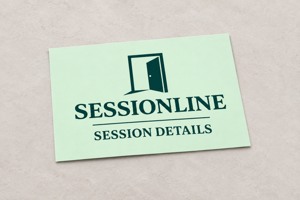
An optional invitation card
These custom postcards for workshop invitations offer a 6 × 4-inch size, with 16pt stock shown as the default. The product page specifies order increments of 50; confirm the actual minimum before choosing a quantity.
Compare custom postcards for community invitations, then bring approved artwork and a distribution plan to DecentCustom. Hold printing if the host, venue or response process is still unsettled.
AI paper-product concept. A branded postcard is not an admission ticket, an official financial program credential or evidence of a confirmed booking.
Test the invitation as a prospective participant
Ask a colleague who has not drafted the copy to identify the topic, audience, live or recorded format, date, time zone and expected response. Then ask whether submitting the form confirms a place. If the colleague cannot tell, correct the message before releasing it.
Open the actual event route on a phone and check that the displayed arrangement matches the card or email. Review the request receipt and confirmation wording as separate states. The invitation is ready when a reader can understand the offer and the next step without being promised a seat, recording or result the organizer has not approved.
Public source descriptions and product fields reviewed November 15, 2026. Sessionline and all event details above are fictional. The examples are editorial planning guidance; no real registration, attendance or financial outcome was tested.