A useful mall pickup guide says when the order is ready, whether curbside is operating, where to park and how to announce arrival. Store opening hours and a mall address cannot answer all four questions.
Check four conditions before directing a car to a pickup area
1. The actual order is ready
Use the current order notice. An estimated preparation time is not an instruction to travel, and a storefront service icon does not establish that a particular order is ready. Keep the original collection information available through the provider’s appropriate channel.
2. Curbside is available at the intended time
Read the service hours separately from retail opening hours. On the review date, Sephora Bellevue Square’s store page lists weekday curbside hours of 11 a.m.–7 p.m., with weekend curbside unavailable, alongside a broader retail schedule. Store opening therefore does not establish curbside availability. Recheck current arrangements before using a dated instruction.
3. The location is the designated pickup area
Use the actual garage, level and designated-space description. A shop’s postal address may lead to a mall entrance rather than its pickup area. Distinguish a lot or level label from the individual stall where the car is parked; they are not interchangeable identifiers.
4. The accepted arrival method is clear
Find out whether the order instructions require online check-in, a call or another accepted action. Identify the information the store needs to locate the visitor. Do not assume that arriving in the garage automatically announces the customer’s presence.
Two official pages can describe arrival differently
The Bellevue Square store page identifies the southeast garage’s upper pickup area labeled #200 and describes online check-in. The Bellevue Collection’s Sephora directory calls the area the Green Lot in the southeast garage and tells visitors to phone with their stall and vehicle details. The directory also locates the retail shop on the first floor.
Do not combine those descriptions into an unverified rule that every visitor must both call and check in, or rename the entire area “stall 200.” Start with the actual order’s current instructions. If they conflict or leave a condition unclear, ask the responsible store to confirm the route before promising collection there. A difference between pages is a question to resolve, not evidence that the service does not exist.
Likewise, the mall’s general hours are not a substitute for the store’s service schedule. Special dates can change arrangements. Keep the current approved source linked in a digital guide rather than copying a long calendar into a print run that may outlast it.
A completed alternative: the store was open, but curbside was not
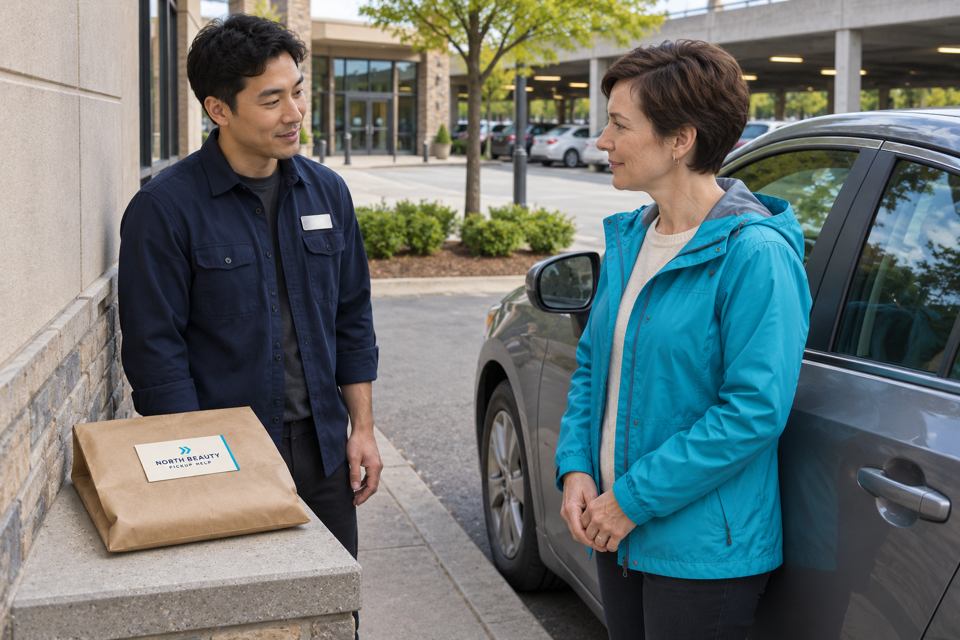
Fictional example: North Beauty’s order notice says a shopper’s items are ready. The shopper plans a Saturday noon visit and assumes the open shop will bring the order to the car. North’s actual arrangement in this example does not provide curbside service on Saturdays.
Before issuing driving directions, the coordinator checks the order and confirms with the responsible employee that the shopper can instead collect inside at the identified pickup point. The shopper accepts that option and receives the approved entrance and check-in information. The original order reference and collection instructions remain attached to the order.
The shopper subsequently uses that confirmed inside route, and the employee records the actual transfer of the ready items. No curbside handoff is claimed. The original assumption has been corrected, without inventing weekend curbside staffing or a new parking entitlement.
If inside collection is not offered or usable for a particular visitor, leave the alternative open and ask the store what arrangement is available. Do not promise an accommodation, delivery or extension without its actual agreement.
Build the message from approved fields
A usable arrival message needs the collection store, the order’s readiness, the service window, the designated location, the arrival method and the route for an unresolved question. Keep individual order details in the actual notification. A public guide can point to that information without reproducing names, barcodes or vehicle records.
Please wait for your current ready notice. Before visiting, check whether your collection store offers curbside at your intended time. Use the garage, level and designated pickup-space instructions in your order information. Once parked, follow the store’s current accepted arrival method. If the location, service window or check-in instruction is unclear, contact the collection store before relying on the route.
This is a wording framework for adaptation, not an instruction that every retailer follows. Replace general fields with the approved local arrangement. Keep the printed and digital versions aligned when the store changes its route, hours or arrival method.
A small help card can point to current instructions
Use an existing order message or digital guide first. A card can provide a stable public help route when repeated questions justify it. It should not act as a parking permit, a pickup barcode or permanent outdoor traffic signage.

Keep ordinary paper in a supporting role
These custom business cards for pickup help list a 3.5 × 2-inch paper format and standard 14pt as the default. The current minimum is 50 cards, with ordering increments of 50. Check the selected options and actual use before ordering.
Compare custom marketing materials for arrival guidance and give DecentCustom your approved artwork and requirements if new print is useful. The North design is an AI concept. No weather resistance, parking permission or order readiness is established by the card.
Reviewed November 13, 2026: Sephora Bellevue Square’s store page, The Bellevue Collection’s directory and the linked DecentCustom product. Published arrangements can change. North, its shopper and the completed inside collection are fictional. No route visit, customer contact or actual collection was performed.