Start with the selected program’s existing materials and family instructions. Distinguish what is included, what a family brings and what still needs clarification before buying another item.
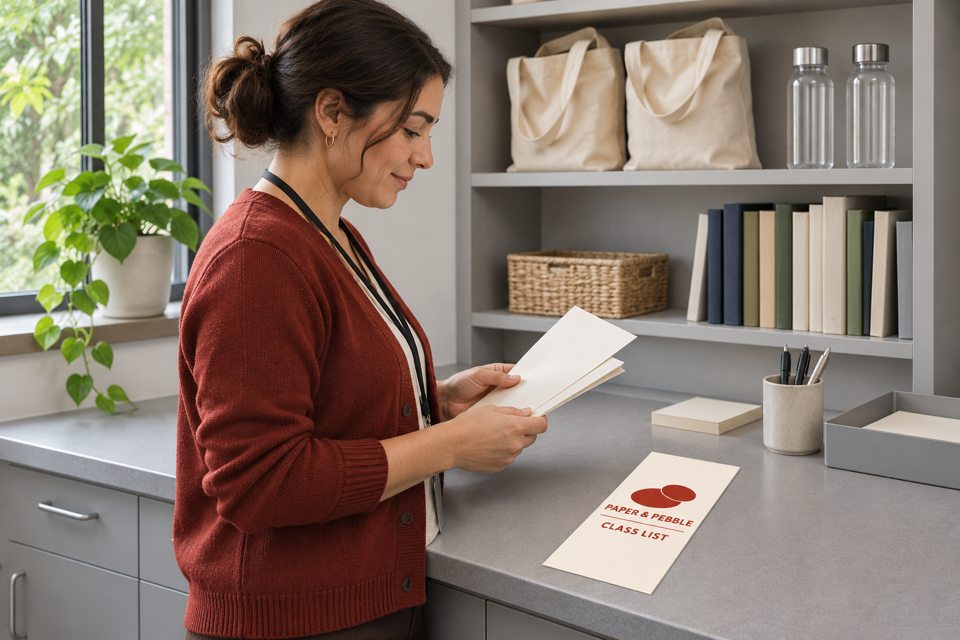
Ask who supplies, uses and keeps each item
A family, an instructor and an administrator may all handle an item without sharing responsibility for buying it. Before adding a new bag, shirt or handout to a proposal, read the current program instructions and check what is already available. A classroom material may remain on site; a family-owned item may travel home; an included item may already carry the program identity.
| Review field | Question to answer | Decision before ordering |
|---|---|---|
| Included program item | What does the selected program already provide? | Avoid a duplicate unless a separate need is confirmed |
| Family bring list | What must the family bring, and can an existing item meet the requirement? | Use the actual instructions rather than assuming a new purchase |
| Shared or retained material | Who owns it, where does it stay and who handles return or replenishment? | Confirm the responsibility; leave an unknown field unresolved |
| Specialist equipment or clothing | What does the program specifically require? | Keep the original requirement; do not substitute an ordinary promotional item |
Included items and bring lists can differ by program
Emerald City Karate’s FAQ states that its two-week trial includes a Dojo T-shirt and white belt, while a Gi is a separate purchase or order. The useful procurement question is whether an item is already included, not whether every newcomer needs another branded shirt. This example does not establish another program’s clothing requirements or available sizes.
Seattle Gymnastics Academy’s camp page distinguishes a half-day bring list from a full-day one: the former includes a snack and water bottle, while the latter includes a water bottle, two snacks and lunch. Read the instructions for the actual session rather than applying one list to every family.
Seattle Children’s Theatre’s Drama School FAQ likewise says full-day campers bring lunch, two snacks and a water bottle, and points families to their welcome email for specific needs. These selected operator examples support checking the existing list. They do not show that a family must buy a new container or that a general school supplies kit fits every class.
Finish the audit before turning it into a shopping list
Fictional review example: an education coordinator proposes a new shirt, water bottle and book bag for an incoming group. The selected program’s current information already includes its own shirt, asks families to bring a suitable water bottle and leaves the ownership of a course book unclear.
The coordinator removes the extra shirt from the proposal. They keep the existing bring instruction rather than presenting a new bottle as compulsory. Before ordering a book bag, they ask the responsible program team whether the course book travels home, what size it is and whether an existing bag already meets the need. Until those details are confirmed, the bag remains undecided.
The completed example has two resolved decisions and one explicit open question. It does not convert an unknown material requirement into a sale. The coordinator updates the existing family information with the confirmed responsibilities; a separate printed reminder is considered only if the current message still leaves a useful handoff gap.
Keep the purpose and original requirements intact
A paper information card can explain where to find a list. It cannot replace a course book, protective case, wet bag, professional training uniform or the program’s original equipment instructions. An ordinary printed label also does not establish washability or suitability for clothing, lunch containers or equipment.
For borrowed or shared items, retain the provider’s current return and replenishment process. Do not add personal student information to a general promotional handout. Any new order still needs a confirmed buyer, actual item requirements and permission to use the intended brand; the number of class places alone does not establish a purchasing quantity.
Use paper only for the information job
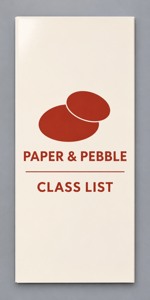
A dry-counter program supply reminder
These custom rack cards for program supply information are listed at 3.74 × 8.27 inches, with 14pt standard paper and glossy finish as defaults. The current minimum allowed quantity is 50. The image shows an AI artwork concept.
Compare custom rack cards if a stable program identity and information route would help at an approved dry desk. Prepare actual approved artwork with DecentCustom. This paper card is not a classroom kit, wet bag, lunch container or durable clothing label.
Use the existing welcome email or portal when it already explains the responsibilities. Buy an additional handout only when it has a clear purpose, and keep changing supply details tied to the selected program’s current instructions.
Checked November 13, 2026: the linked operator instructions and current product listing. These selected Seattle programs are examples, not a national ownership survey. The audit is fictional; actual stock, sizes, quantities, learning outcomes and business results were not measured.