Branch operations • Reviewed November 29, 2026
When one branch wants to borrow another’s process, use the meetup to agree on a small test. Write down what will change, who can run it and what the receiving branch needs to see before expanding it.

What should each branch bring to the meetup?
Ask the branch sharing the idea to bring one ordinary example and one exception. Ask the receiving branch to bring its current process and the conditions that would make the idea difficult to use. The useful outcome is a test small enough to run with the people and tools actually available.
The Institute for Healthcare Improvement’s test worksheet describes planning a change, trying it, studying what happened and deciding what to adjust. Its implementation guide also discusses testing in varying conditions before making a lasting change. The retail example below applies the small-test approach to an inventory handoff.
Before the meeting ends, confirm which roles can approve and carry out a local test. Identify which cases are included, the date of the review and what would stop the test early. Record who will tell the staff carrying out the work. If permission or capacity is missing, agree on a tabletop simulation or leave the trial pending.
How would you test a transfer handoff at a branch without a scanner?
In a fictional retailer, North Branch records a pickup window beside each ordinary stock transfer. East Branch loses time when the receiving desk has to ask which window was agreed. East has no scanner at that desk, so its coordinator proposes entering the transfer reference and pickup window into the existing shared record. That record stays the official source for this trial.
| Trial field | Agreed entry |
|---|---|
| Scope | The next five ordinary transfers from North to East during one week. Urgent orders and exceptions continue through the existing process. |
| Owners | North dispatch lead enters the agreed window. East floor lead confirms it is unambiguous before the pickup. The operations manager reviews the record on Friday. |
| Observation | For each eligible transfer, note whether the receiving lead can identify the pickup window from the shared record on the first review. |
| Stop rule | If the record leaves two possible windows or conflicts with the approved dispatch plan, pause the new step and confirm timing through the current process before acting. |
Both leads read back the same version before the first transfer. They agree how to flag an exception and tell staff where to find the official plan. North may show its scanning workflow for context, while East tests only the agreed shared-record step.
What can five transfers tell you?
Four of the five fictional ordinary transfers had an unambiguous window on the first review. The fifth carried two plausible windows because the original entry and the revised entry were both visible. East paused and confirmed the approved time using the current procedure. Two urgent transfers also occurred during the week and followed their usual route outside the trial.
Record the result. Four clear first reviews out of five in-scope transfers. One ambiguous record triggered the stop rule. The two urgent transfers are recorded separately.
Decide what to try next. The manager asks for one clearly labeled current window and a visible change time. East will retest the revised field on a small set, including a planned change of window.
The small record identifies where the new step broke down. A wider rollout decision needs evidence from the other conditions that matter, such as a different shift, a different receiving team or an approved way to handle urgent changes.
When are paper notes useful at the meetup?
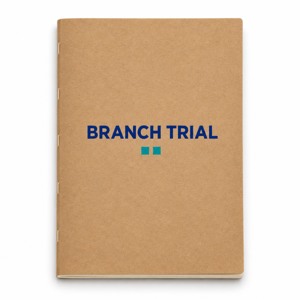
Give rough notes a place before the owners agree
Use paper to sketch the handoff or collect questions during the meeting. Move the agreed scope, stop rule and review date into the shared record that both branches can reach. Existing notebooks or a shared document may already serve that purpose.
If the team needs fresh supplies, these blank A5 kraft notebooks for branch meeting notes list 80 sheets with blank pages as the default. Compare custom padfolio and notebook options and confirm the intended cover and quantities with DecentCustom. The Branch Trial cover is AI concept artwork.
Cross-branch pilot questions
Can the receiving branch change the proposed process?
It can propose a change to fit local tools and staffing. Record the differences and have the appropriate owners agree before the test.
Should exceptions be included in the first test?
Decide this before the first case. If the team excludes urgent work or unusual cases, record how those cases will proceed as usual and what remains to be tested.
Who should update the record after the meetup?
Assign one keeper for the agreed test plan and give sending and receiving leads specific fields to update. Name the reviewer and the next decision date.
What happens when a test hits its stop rule?
Pause the new step, use the approved fallback and record what triggered the stop. Decide whether to revise, repeat or close the trial at the review.