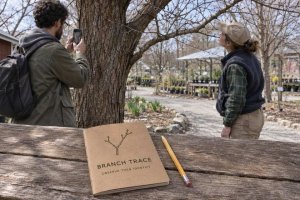
A useful tree journal records what you can actually see, what is missing and which photographs belong to the same tree. A guessed species name can wait until the evidence supports it.
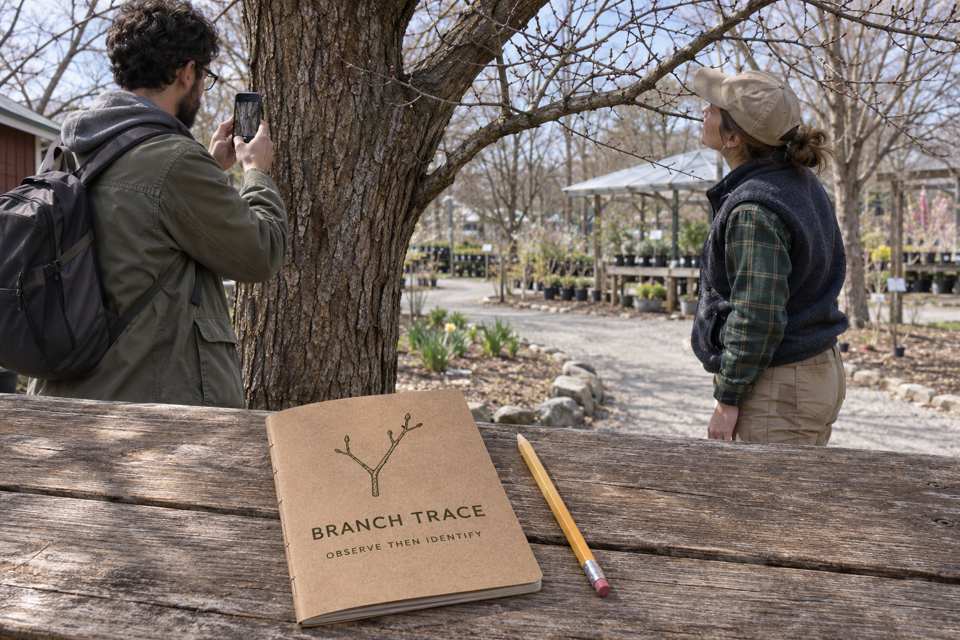
Record the evidence before accepting a name
Start a tree observation record with a date, a location you can recognize, the tree’s overall form and several visible features. Keep uncertain details and suggested names separate from observations. A useful page should let you return to the same tree and understand why you thought a particular identification might fit.
For a garden shop planning a simple International Day of Forests activity around March 21, this can be an observation exercise rather than a promise to identify every participant’s tree. Confirm the actual host, location and permissions before announcing a walk.
UF/IFAS Extension’s tree-identification guidance recommends considering several characteristics and recording photographs for later research. It also notes a useful limitation: habitat is less reliable for identifying a tree in a landscaped setting, where someone may have planted it outside its natural range.
Our practical record layout uses the following fields. It is an original note-taking aid, not a regional identification key:
- Record identity: give the tree a temporary label, such as Tree A, and record the date and city or region. Keep the exact location in your own notes when it is private.
- Setting and form: describe where it grows and its visible outline. State whether it appears planted; do not assume every tree near a nursery is locally native.
- Bark and branches: describe visible color, texture and branching. Include an overall view and a closer photograph where possible.
- Leaves, buds, flowers or fruit: record what is actually present and accessible to observe. Describe missing or unclear features instead of filling them in from memory.
- Photo references: connect each image to the same tree and date. Keep a separate note for an object on the ground whose source you cannot confirm.
- Possible name and next check: record the proposed name as a hypothesis, the source that suggested it and the feature still needed to check it.
A single leaf outline can be misleading. University of Wisconsin Extension’s tree-identification guide explains that leaf form varies and that distinguishing a leaf from a leaflet matters. Its examples are region-specific; do not turn one Wisconsin example into a universal rule for every American garden.
A filled journal entry can honestly end with “not identified”
The following entry is entirely fictional. It demonstrates how to record evidence without claiming a botanical result; it does not describe the AI-generated tree above.
Tree A — practice record
Date: March 21, 2027. Region: a fictional garden-center demonstration area in central Ohio. Location note: first tree beside the inside bend of the visitor path.Setting and form: standing in a maintained planting bed; planted or naturally established is not confirmed. One visible main trunk with spreading upper branches.
Bark: gray-brown in daylight, with visible lengthwise ridges. Photo TreeA-02 shows the same side of the trunk as the overall view TreeA-01.
Branches and buds: low twig photographed as TreeA-03. Bud arrangement is unclear in the image; no claim of opposite or alternate arrangement yet.
Leaves and fruit: no attached leaves were visible from the path. A dry leaf lay nearby, photographed separately as TreeA-04. It is not confirmed to have come from Tree A. No flowers or attached fruit observed.
Possible name: not identified. A remembered “maple” suggestion has no recorded supporting source, so it remains unconfirmed.
Next check: use a regional tree key and compare the actual twig details. If necessary, ask an appropriate local expert what additional photograph would help, then revisit when useful features are visible.
This page is more useful than “large maple, probably fifty years old.” The fictional observer has not measured age or established a species. The record shows exactly what is missing and prevents a loose leaf from silently becoming evidence about the wrong tree.
Seasonal gaps are normal. If a feature is absent or too high to see, write that down. Do not substitute a photograph of a neighboring plant just to complete the page. If you revisit, add the new date and evidence rather than rewriting the original observation as though you knew it all along.
Turn the record into a clear question for a local source
A practical enquiry could read: “I am trying to identify Tree A in a planted garden in central Ohio. I have an overall view, bark photo and an unclear twig photo, but no confirmed attached leaf. Which feature should I photograph next, and is there a regional key you recommend?”
Check whether the nursery, garden shop or local extension service actually offers that kind of help before bringing material or expecting an inspection. If the plant was purchased, retain its original nursery label and receipt. Keep the seller’s recorded identity separate from a later guess about an unlabelled tree elsewhere.
For an observation activity, photographs and plain notes can be enough. Wisconsin Extension advises against carving or peeling bark and recommends checking app suggestions with an expert before important decisions. Observe accessible features without damaging the tree; follow the actual site’s rules about access and collecting material.
Neither an app suggestion, a branded notebook nor this practice entry establishes that a plant is edible or suitable for a treatment. This guide is about organizing an identification question. It does not replace the specialist advice needed for consequential plant decisions.
A notebook helps keep repeated observations together
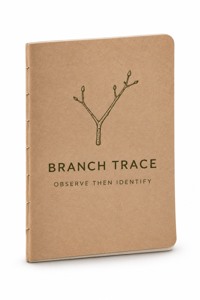
Keep using an existing notebook or phone notes if they meet the task. For repeated observations, the linked custom kraft notebooks for repeated observation notes list a stitched A5 format, blank pages and 80 sheets. The stated size is 8.26 inches high by 5.83 inches wide; the current minimum quantity is 12. A pen is not included.
The fictional Branch Trace cover is an AI artwork concept, not a botanical or environmental certification. Compare custom notebooks for other writing formats, and confirm the chosen configuration with DecentCustom. The paper notebook is not presented as waterproof field equipment or evidence that a species identification is correct.