A friend’s introduction, an evaluation and a qualifying purchase can be different stages of a referral program. Confirm the actual benefit and recipient before choosing or promising a thank-you item.
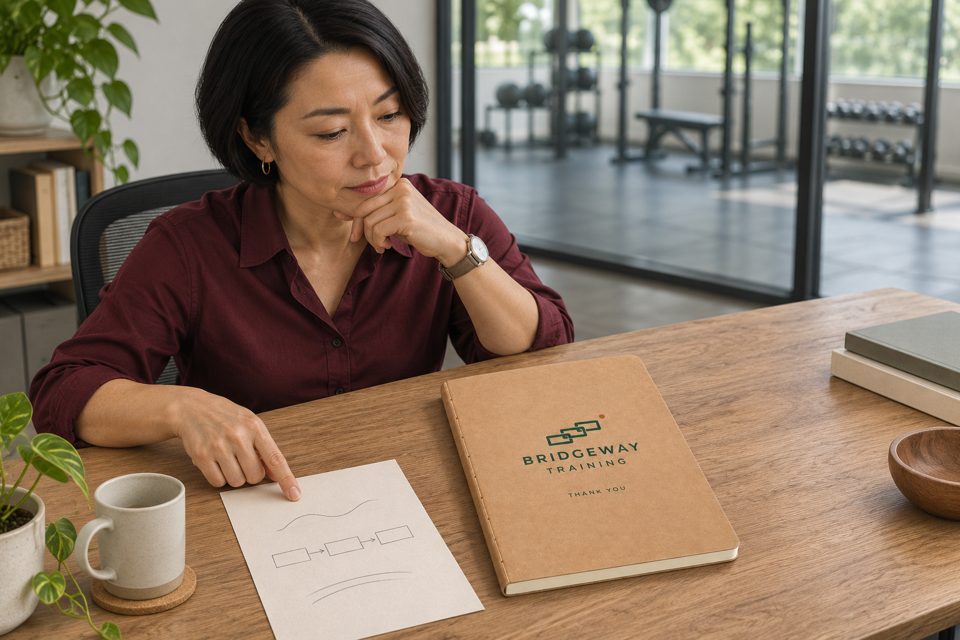
Find the actual offer before choosing a gift
A client introduces a friend to a personal training studio and asks what happens next. Staff remember there is a referral program, but an attractive notebook or towel in the office is not the program’s terms. First identify what qualifies, who receives the benefit and what the studio has actually promised.
Fitness Together West Seattle’s FAQ connects its referral offer to the referred person purchasing a package and directs readers to the studio for details. It does not identify a particular branded gift. A buyer should not turn that unspecified offer into a promise of our products.
For the referrer, ask the studio to explain the applicable condition and benefit before expecting an item. For the information owner, use the current program wording rather than a colleague’s memory of a previous promotion. An evaluation booking can be a meaningful next step while the reward question remains unresolved.
The introduction method also needs to follow the actual program. Before passing someone else’s contact information, ask what the studio accepts and obtain the friend’s permission. A useful question is: “Can my friend contact you directly and have the referral recorded through your normal process? Please confirm how the program links the introduction to any qualifying purchase.” Do not promise attribution before the studio answers.
Three records that should produce different answers
In fictional R33, Bridgeway’s written program includes a qualifying package purchase as one condition. The program owner must also confirm referral credit, the recipient and the exact benefit before staff promise anything. Those are the fictional example’s conditions, not additional terms asserted for Fitness Together.
| R33 example | What has been established | What still needs an answer |
|---|---|---|
| Case A: evaluation completed | The referred friend attended an evaluation. | No qualifying purchase has been confirmed; no reward is confirmed. |
| Case B: purchase recorded, referral credit unresolved | The program owner has a package-purchase record. | Which introduction receives credit and whether the full conditions are met. |
| Case C: qualification and benefit confirmed | The owner has confirmed the qualifying referral, named recipient and an approved small paper thank-you item. | Which suitable item the recipient accepts and how the studio will provide it. |
Case A is not an unfulfilled notebook order. Case B needs the attribution question resolved, rather than a second reward being issued to make the conversation easier. Case C has reached item selection, but it does not establish that a particular notebook is wanted, available or approved for purchase.
Keep the underlying referral and transaction records in the studio’s authorized system. A public planning example or supplier brief does not need the friend’s name, contact details, purchase history or training information. For purchasing, provide the approved item requirements and quantity after the program decision has been made.
A completed reply while qualification remains open
For R33 Case A, staff can give a clear answer without inventing a reward:
“Thank you for introducing your friend. Their evaluation has been completed. Under the Bridgeway program we are checking, a qualifying package purchase is one of the conditions. That purchase has not been confirmed for this referral, so we have not confirmed a reward.
“The program owner will confirm the applicable conditions and exact benefit through our normal studio process. We have not promised a notebook or another item. Please ask us about the program before relying on an older promotion or making another introduction on that basis.”
The reply acknowledges the introduction and says which decision is still open. It does not pressure the client to buy something for their friend, promise a different offer or suggest that finishing an evaluation guarantees a physical gift.
After the benefit is confirmed, keep selection separate from issue
For fictional Case C, an administrative note can read:
“R33 Case C: program owner has confirmed the qualifying referral, recipient and approved small paper thank-you item. Recipient preference and suitable existing unallocated stock still need checking. The A5 blank notebook is a candidate, not an issued reward or approved supplier order. Purchasing owner will confirm the selected item and quantity; studio contact will confirm the handover arrangement. Record the actual issue only after it occurs.”
If the real offer is a nonphysical benefit, follow that offer. There is no need to add merchandise simply because a supplier can print a logo. Likewise, a proposed change to the benefit needs the responsible owner’s decision before staff describe it as current program terms.
Choose a notebook only if it fits the approved purpose
For R33 Case C, the relevant question is whether the named recipient wants a small blank notebook and whether an approved item already exists in usable stock. A recipient who prefers ruled pages may not want the listed blank default. Ask before choosing the product.
The kraft Bridgeway design is an AI concept, not proof of environmental certification, a tested material claim or an actual referral award. A minimum order does not authorize extra rewards. Confirm the approved benefit, suitable item, available quantity and handover plan before placing an order.
Sources checked November 10, 2026, UTC. Bridgeway and R33 are fictional. No referral contact, private client record, reward claim, customer message, purchase or handover was processed.