Give each stage its own owner and completion evidence. An inquiry, reservation, arrival request, pickup change and boarding check are different states, even when they concern the same guest.

Map the next handoff, not just the next message
Start with the actual service: a lodging arrival, campground check-in, travel consultation, tour pickup or cruise boarding. For each transition, name the current status, the person who can change it, the source of the instruction and the evidence that the next person received the correct version.
A reply saying “we received your request” closes a communication step. It does not necessarily confirm a room is ready, a new meeting point is approved or a passenger has boarded. Keep those outcomes separate in both internal records and visitor-facing wording.
Use five stages with different completion checks
Inquiry or planning: the appropriate host, adviser or reservation team answers the actual question. Finish when the requester knows what remains proposed and which step would establish a booking. Do not convert a consultation or quotation into a reservation.
Reservation: use the operator’s actual confirmation process and record the service it confirms. The booking can be confirmed while an additional arrival or pickup request remains pending.
Arrival readiness: the property or site’s responsible team confirms the applicable arrival arrangement. The Seattle Vacation Home FAQ, for example, makes early access conditional on departing guests and housekeeping. An early-arrival request is not itself a ready-home notification.
Pickup or meeting: check the assigned location and the operator’s current instructions. Tours Northwest’s FAQ tells guests to contact its office before switching a booked meeting location. A different listed stop is not an automatic replacement for the one on a guest’s arrangement.
Boarding or service delivery: the responsible operator completes its own check. The Argosy Cruises FAQ distinguishes a booking confirmation with boarding-pass links and directs passengers to the confirmation for the exact departure location. That document route is not evidence that boarding has already happened.
These are limited examples of named providers’ processes. Use your actual operator’s current instructions; do not apply one hotel’s timing or one cruise’s process to every service.
Worked example: resolve a pickup change before calling it done
Entirely fictional example: Meet & Move is coordinating a confirmed tour reservation. A guest asks reception to meet the tour at another location. Receptionist Jules records “change requested” and sends the question through the operator’s approved route. Jules does not tell the guest that the new pickup is confirmed.
In this example, the operator’s reservation team subsequently approves the change and sends updated meeting instructions. Jules checks that the reply concerns the correct service, replaces the superseded instructions in the appropriate private record, and sends the approved version to the guest. The guest acknowledges the updated meeting arrangement.
The completed handoff note reads: “Pickup change approved by the operator; current meeting instructions sent and acknowledged. Earlier instructions marked superseded. Actual check-in and boarding remain with the operator.” The people and result are invented to show the sequence; this is not a real passenger record.
If the operator had not approved the change, Jules would keep it pending and communicate that status through the actual contact process. A public contact card could point to help, but could not authorize the change. Existing confirmation messages already support this example, so no additional cards are ordered.
Keep public contact information separate from private arrangements
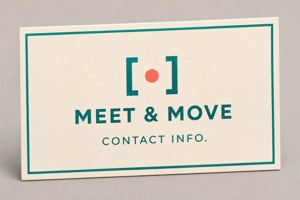
An ordinary public contact route
These ordinary business cards for a public contact route list 3.5 × 2 inch cards with default 14pt glossy stock and standard corners. The current minimum is 50.
Compare custom business cards only when a recurring public-contact need remains, and review approved artwork with DecentCustom. This AI paper concept is not a boarding pass, reservation confirmation, access card or place to publish a guest’s private arrangements.
Reviewed November 16, 2026. Original research and current named-provider pages inform the editorial handoff method. The example is entirely fictional. No real booking, guest notification, transport change, room readiness, boarding approval, privacy compliance or business result has been verified.