Community learning resources • Reviewed November 27, 2026
Human Rights Day is December 10. A useful community resource notice identifies what readers can open, separates the source document from an organizer’s summary and gives people a practical way to ask about the session.
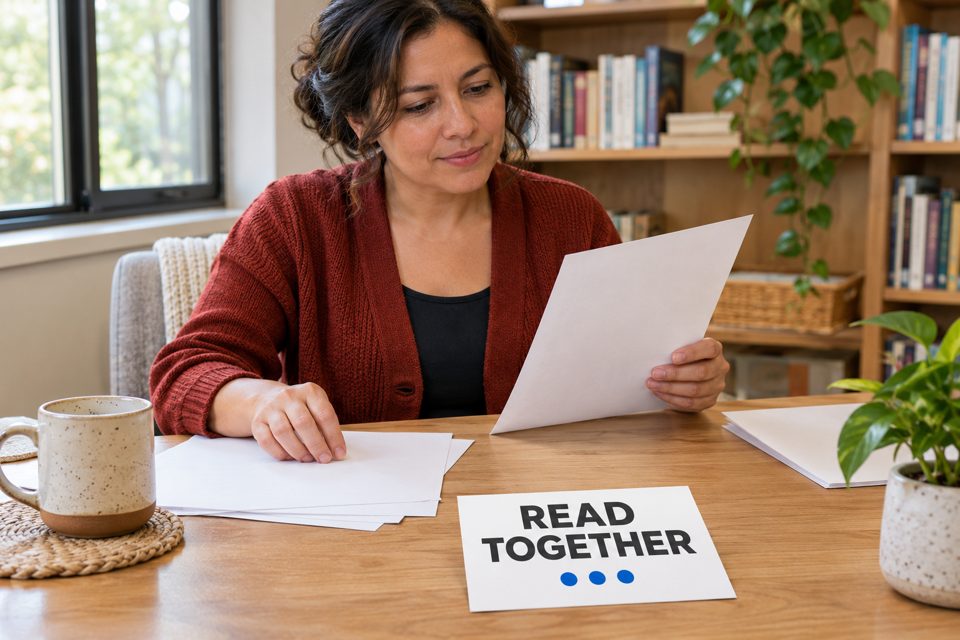
When is Human Rights Day?
UNESCO identifies the annual date as December 10, marking the adoption of the Universal Declaration of Human Rights in 1948. That international observance does not establish a local workshop’s date, place or admission arrangements.
The page also contains a message labeled December 10, 2025. Keep dated messages in their original year. Check a current campaign source before using a year-specific theme; this notice does not announce a verified 2026 theme.
Where can readers find the Declaration and different formats?
OHCHR’s Declaration resource page provides routes to reading, translations, audio and simplified material, as well as original records. Treat it as a resource entry point, then open the particular edition or format you intend to share.
The UN Library’s documentation guide distinguishes the Declaration from later covenants and explains that the Declaration is not itself a treaty. It also points to translation resources. A short community introduction should not be presented as a complete account of someone’s legal rights or remedies.
For a real session, check the actual destination, language, format and publisher before distributing the link. A familiar title or a language label is not enough to establish that the file opens or that a participant can use it. Ask the responsible facilitator how readers can request another usable format.
How should a notice distinguish a quotation from a summary?
Use quotation marks only for wording checked against the identified source. Preserve the wording and attribution when quoting. If the organizer shortens or explains a passage in their own words, label it as a summary and keep a route to the source alongside it.
Do not turn a decorative slogan into an article of the Declaration. A resource card can introduce a reading task without claiming to reproduce the full document. Avoid a heading such as “official declaration” over a few sentences written by the organizer.
Keep the scope visible too. A community discussion is not automatically a UN event, a legal consultation or a process for submitting complaints. Explain what the host actually offers, and leave individual case questions to an appropriate qualified service rather than asking for personal details on a public sign-up sheet.
A corrected resource notice with a clear purpose
Fictional example R10: a facilitator prepares a card headed “Official Human Rights Declaration — our December event.” The back contains an uncredited short summary. The local session time is undecided, and the card does not identify where readers can find the source. The reviewer returns that version.
R10-v2 — resource introduction
Human Rights Day — December 10. Explore the Universal Declaration of Human Rights through OHCHR’s resource page, which links to reading, translation and other formats. Check the particular resource you choose. This card is a community reading introduction, not the full Declaration or individual legal advice.
For a planned local discussion, ask the facilitator about the confirmed session details and the format you need. This resource notice does not reserve a place or establish an official UN partnership.
The working brief separately marks the local time, joining route and format arrangements as pending. The facilitator keeps the general resource introduction separate from a future event invitation. Before releasing that invitation, the host must supply its actual details and review the final source links.
The correction produces an honest resource notice without inventing a quotation, verified translation or completed event. No real participant information was collected for this example.
Does a reading introduction need a printed card?
An existing email or web notice may be easier to update and can provide direct links. Choose print only if it has a clear use alongside a usable resource route. Keep unresolved session details out of a fixed batch.
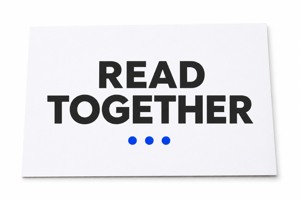
A flat card for a checked resource introduction
These custom postcards for a checked resource notice list a 6 × 4-inch format and full-color printing on one or two sides. The order increment of 50 is not a participant estimate.
Compare custom thank-you card formats and give DecentCustom the approved text and selected configuration. Read Together is an AI artwork concept. The printed format does not verify a translation, provide legal advice or make the piece an official publication.
Questions before sharing the resource
Is a short summary the full Declaration?
No. Label the summary clearly and point to the identified source resource.
Can we call a paraphrase a quotation?
No. Check quoted wording against the source; identify an organizer’s explanation as their summary.
Does a translation link prove the chosen file is usable?
No. Open the actual resource and check its language and format with the intended use in mind.
Do we need branded materials to mark December 10?
No. A useful existing resource message can be enough. Print only after the content and purpose justify it.
Sources checked November 27, 2026. R10 and the artwork are fictional. Resource pages were read; linked audio and video were not played or certified. No legal case, translation, partnership, local event approval, message or order was created.