A frequent member may want a brief return visit; a first-time guest may need help planning a fuller day. Start with the intended visit, who is coming and what admission covers, rather than assuming everyone needs the same pass or printed materials.

A short return visit and a first visit can need different answers
Visit frequency and visit length are separate questions. Someone returning briefly to a favorite area may need current opening, entry and availability information. A first-time visitor may need the overall layout, admission arrangements and a realistic choice of what to do.
These are planning situations, not fixed personality types. A member can bring a first-time guest, and a one-time visitor can prefer a short visit. Ask what the person actually hopes to do instead of inferring it from a membership label.
Also separate visits, shows and private rentals. Returning to the building does not establish that a separately ticketed performance or event is included.
Compare the same eligible visitors and the same admission
The Seattle Aquarium's membership information illustrates why the exact level matters. It distinguishes individual, dual and family options and says memberships are for household use, rather than schools, daycares or other organizations. Its member guidance recommends online reservations and says tickets for people outside the selected membership's coverage must be purchased separately.
Its visitor FAQ distinguishes the ticket's specified entry date and time from the time spent exploring after entry. A brief intended visit does not, by itself, establish a reduced admission price or remove the need to follow the entry arrangements.
These are specific Aquarium arrangements. Check your venue's current coverage and exclusions; do not compare a household membership with one adult's single ticket and call the result equivalent.
A simple calculation is useful only with an honest visit estimate
This example uses invented prices, not current prices at any named venue. Suppose membership costs $120 for the period being compared, and equivalent single-visit admission costs $30 for the same eligible party. Assume every counted visit is covered and the prices stay unchanged.
Two visits: 2 × $30 = $60 in single admission, compared with $120 membership. Membership costs $60 more on this admission-only basis.
Four visits: 4 × $30 = $120. The admission totals are equal; membership is not yet cheaper in this example.
Five visits: 5 × $30 = $150. Membership is $30 less on this admission-only basis, if all five visits actually happen and remain covered.
Equality point: $120 ÷ $30 per visit = 4 visits. The calculation counts visits, not minutes spent in the building.
Parking, travel, extra experiences, uncovered guests and other spending are outside that calculation. Include the costs that apply to the actual options before making a fuller comparison. If ticket prices vary by date, add the actual applicable ticket amounts instead of multiplying one assumed price.
A plan for five visits is not evidence of five future visits. Someone expecting only one trip can reasonably choose single admission, even if membership offers other benefits. A nearby person who genuinely wants frequent short returns may weigh those benefits differently. The decision should reflect plausible use, coverage and preferences, rather than an optimistic number chosen to make the arithmetic work.
Give the visitor the answer that changes their plan
For a returning member, start with the current member entry route, coverage for accompanying guests and any relevant changes. For a first-time guest, begin with the admission needed for their chosen activity, current arrival information and a manageable route. Neither person needs every promotional message at once.
A useful fictional planning note could read:
Not every public cultural visit uses a paid-admission model. Bellevue Botanical Garden's FAQ says ordinary Garden entry is free. That is a different starting point for a visit; do not impose a paid-membership savings calculation on it.
For venue teams, keep the current official source easy to find. Update a changed entry instruction where visitors actually look for it. Collecting member numbers or private guest details on a public planning display is unnecessary for explaining these options.
A notebook is optional; it does not create admission benefits
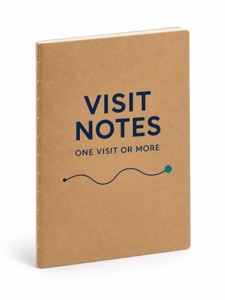
Existing paper, a phone note or the venue's current map may be sufficient. For an organization with a genuine need for matching paper logs, kraft-cover A5 notebooks for visit planning notes list 80 blank sheets. The linked SKU's current minimum is 12; the 500-piece case pack is separate, and a pen is not included.
Compare custom padfolios and notebooks and confirm approved artwork with DecentCustom. The fictional Visit Notes cover is not a membership card, voucher or promise of savings. Buy only if the recording task calls for a new item.