Before printing an autism-related invitation, speaker profile or community handout, check whose words you are using. A campaign's house style, an advocate's published viewpoint and a specific person's preferred description are different things. Keeping them separate makes the copy more accurate and gives a person room to speak for themselves.

Should I write “autistic person” or “person with autism”?
For a specific person, ask how they would like to be described. ASHA's terminology considerations explain that some people choose identity-first language, such as “autistic person,” while others choose person-first language, such as “person with autism.” Preferences can differ and change across time or settings.
A general style decision is not evidence of an individual's preference. If you are editing a speaker biography, give that person the proposed wording to review. Do not silently replace their chosen description with the campaign team's preferred form.
For general event copy that does not describe a named person, explain the scope of your wording when it matters. Avoid claiming that everyone agrees with it. This article compares editorial choices; it is not guidance for changing clinical records or service-eligibility documents.
Does a self-advocate's article speak for everyone?
No single published perspective establishes every individual's preference. On the Autistic Self Advocacy Network site, Lydia Brown's discussion of identity-first language explains why many self-advocates consider autism part of identity. Read and attribute that viewpoint as the author's argument, rather than turning it into a universal statement about all autistic people.
Keep the source attached to the point it supports. A brief sourced explanation of language is different from copying an advocate's personal story into your promotional materials. A link or quotation also does not mean the author or organization endorses your event or merchandise.
When reviewing a draft, ask: is this a clearly attributed perspective, the host's own wording or a description that a particular person has approved? If those categories blur, rewrite before the artwork is finalized.
Does choosing respectful terminology make a personal story ready to print?
No. Terminology is one part of the review. The National Center on Disability and Journalism's style guide recommends asking individuals how they prefer to be described and mentioning disability when it is relevant. Its page identifies the guide as last updated in summer 2021, so keep its date and editorial context visible in your research notes.
For your own campaign process, separately confirm the person's name, role, proposed description and the actual story or image being considered. An event appearance does not establish a diagnosis. A stock or AI portrait cannot document someone's lived experience.
If the proposed profile has not been approved, hold it out of the print file. You can still publish the host's verified event information without adding an unconfirmed personal narrative. Treat this as an editorial decision, not a substitute for any permissions process your organization needs.
An unapproved profile replaced with a neutral host notice
Fictional example: Word by Word drafts a handout with a named guest's personal profile and chooses person-first language without asking the guest. The editor discovers that neither the description nor the profile has been reviewed by that person.
The team withdraws the profile from the file. It approves its existing digital host notice with the verified event title and contact information, without the personal story or an implied endorsement. The guest's proposed profile remains outside the approved material.
The extra print purchase is removed, and no new order is placed. This completed fictional decision resolves what may be published now. It does not claim that personal permission was later obtained or that the wording produced a measured change in attitudes.
Print only the information that has cleared review
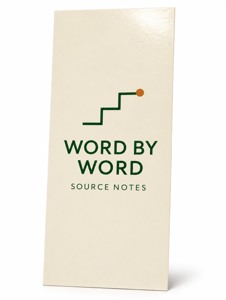
An optional source-information card
If a separate handout is needed after review, rack cards for approved source information list a 3.74 × 8.27 inch size, default 14pt stock and a default glossy finish. The current quantity control starts at 50.
Compare custom rack cards with your existing digital notice and discuss approved artwork with DecentCustom. Printing does not verify a personal story, create an endorsement or settle an individual's language preference.
Reviewed November 21, 2026 using ASHA's terminology page, Lydia Brown's attributed perspective on ASAN and the NCDJ editorial guide. These sources are not a preference poll. Word by Word and its completed decision are fictional; no real person's diagnosis or permission was assessed.