A bookstore crawl passport is governed by its own local program. Check the year, qualifying action and participating locations before planning stops or telling a customer how to earn a stamp.

The same word, “passport,” can describe different rules
Seattle’s 2026 Passport Challenge ran April 25–May 4 and said no purchase was needed for an in-person stamp. Its instructions treated one Third Place Books location as sufficient, rather than requiring all three. Completing the challenge and collecting the later reward card were separate steps.
By contrast, the San Diego Book Crawl’s 2026 FAQ described an April 25–27 event with a purchase of at least $10 at each stop for a stamp. It also stated that prizes were available only while supplies lasted and were not guaranteed.
These are historical examples checked November 22, 2026. They demonstrate why a rule from one city cannot answer a question about another. Neither example establishes the regional dates, store list, purchase conditions or rewards for 2027. Find the announced rules for the program and year you actually intend to join.
Start with the organizer, year and qualifying action
Save the organizer’s current rule page with the year visible. An old passport image or a search result may still be available after a crawl ends. A date printed on a reward card can be its redemption deadline rather than the dates when visits earn stamps.
Read how to obtain the passport and what earns each mark. A visit, a qualifying purchase and an online order are different actions. Check whether the rules apply per person, passport or purchase, and how multiple branches are treated. If a point is unresolved, ask through the organizer’s published route instead of inventing a local exception.
Also confirm national participation separately. A national event date does not establish membership in a local crawl. A store’s own promotion may be separate again. Keep the organizer’s passport terms distinct from a shop’s ordinary offer.
For staff, put the checked rule link and the responsible contact in the existing event record. A brief counter note can direct people to those instructions without attempting to replace them. Do not design a new passport or copy another organization’s artwork merely because you can print a similar card.
Verify the place you plan to visit
Match each stop to the current participating-store list and the actual branch. Check the customer entrance, event-day hours and any announced closure. A familiar brand name or another branch’s participation is insufficient. A shop can participate in a multi-day program without being open every day of it.
Use the organizer’s map as a starting point and the shop’s current information for unresolved local details. Check accessibility information or entry requirements that matter to your group. Do not promise a particular access feature or an alternative stamping arrangement without confirmation from the relevant organizer or store.
Choose a visit plan your group wants to make. Leave time for browsing and ordinary queues; do not present a map’s distance as a verified travel time. If ferry, transit, parking or mobility requirements affect the trip, check the actual services and conditions before relying on them. A shorter personal itinerary need not claim that it completes a reward challenge.
A finished decision: share confirmed information, hold the unverified route
Roam Read is a fictional bookshop preparing information for a future local crawl. The names and planning decisions below are invented. They do not identify real partner stores or an approved program.
Initial draft: a three-stop card lists Roam Read, Birch Shelf and Lake Books, then says “Visit all three for your prize.”
What the team actually knows in the example: Roam Read has confirmed its own public shop details. Birch Shelf’s qualifying branch has not been confirmed. Lake Books’ event-day closing time is still unknown. The team has not obtained current program rules supporting the three-stop prize claim.
Decision: remove the prize statement and hold the multi-store print file. Publish only Roam Read’s verified shop information with the organizer’s current information route. Keep the other stops in an internal draft until the branch and hours checks are resolved.
The completed customer reply can be:
“We can help you find our shop and direct you to the local organizer’s current passport instructions. Our shop information card is not the official passport and does not establish a qualifying stamp or reward. Please check the program year, participating branch list and the action required at each stop before planning your crawl.”
For a real message, supply the actual verified shop location and organizer link. Do not publish the fictional store names from this example. Once the missing details are confirmed, review the whole route again before printing; confirmation of one stop does not resolve another stop’s hours or the reward terms.
Explain completion and reward collection as separate steps
Before a visitor finishes the crawl, check where and how the passport must be submitted. Does the organizer verify it immediately? Is a reward issued then or collected later? Is a designated pickup shop involved? Use the actual current instructions rather than treating a full set of stamps as a prize already received.
Where supplies or exclusions affect a reward, keep those conditions visible. Staff should know who handles a disputed stamp, lost passport or uncertain qualification. Do not promise a replacement or invent a purchase requirement to resolve a question that belongs to the organizer.
If a store or rule changes, update the digital information and remove obsolete printed directions from use. Keep an owner for that update so the counter answer, route card and event listing agree. A small accurate explanation is more useful than a polished card that sends readers to the wrong branch.
A shop information card has a different purpose from a passport
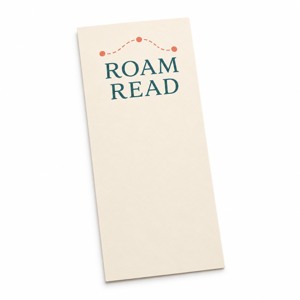
The organizer’s existing passport and your editable website may already be sufficient. For stable, confirmed shop information, these paper rack cards for confirmed shop information list a 3.74 × 8.27-inch format, 14pt standard stock as the default and a current minimum of 50. That quantity does not establish visitor numbers or a need for fifty passports.
The Roam Read artwork is an AI concept of a flat paper card, not a folded passport or official reward credential. Compare printed marketing materials only after the missing information is resolved. Confirm the selected size, finish and approved public artwork with DecentCustom before placing a print order.