March became Women’s History Month in the United States through a sequence of local organizing, national recognition and congressional action. The story starts with a week, not a month.

Why is Women’s History Month in March?
The U.S. month grew from a history week timed to coincide with International Women’s Day on March 8. The National Women’s History Museum’s account traces that local week to Sonoma County, California, in 1978. Organizers chose the week containing March 8; the idea subsequently spread.
That connection explains the month on the calendar. It does not make International Women’s Day and Women’s History Month interchangeable names. March 8 is a particular day. The U.S. history month offers a longer period for examining women’s lives, work and contributions.
From a local week to a nationally recognized month
The sequence is easier to follow when local organizing, presidential recognition and congressional action are kept separate:
1978: a local history week
The Sonoma County observance provided an early model tied to March 8. It was a week, rather than the month-long U.S. observance familiar today.
1980: a presidential proclamation
The museum describes a coalition seeking national recognition and President Jimmy Carter proclaiming March 2–8, 1980, National Women’s History Week. Local beginnings and national recognition are different stages of the story.
1981–1982: congressional authorization for a week
The Library of Congress’s overview identifies Public Law 97-28 in 1981 as authorizing and requesting a proclamation for the week beginning March 7, 1982. The law’s year and the observance’s year therefore differ.
1987: March designated as a month
After advocacy by the National Women’s History Project, Congress passed Public Law 100-9. The original one-page law, approved March 12, 1987, designated March 1987 Women’s History Month and requested a presidential proclamation.
Later years: continuing recognition
The Library of Congress describes further congressional resolutions for 1988–1994 and annual presidential proclamations since 1995. That later sequence matters: the 1987 document specifically names March 1987.
The law also frames the observance as a response to contributions that had been overlooked. A useful display can follow that purpose by introducing actual people and evidence, rather than treating the month only as a promotional date.
March 8, March 12 and the month answer different questions
March 8 explains the connection to International Women’s Day. March 12, 1987 is the approval date printed on the month-designation law. March 1987 is the month that law designates.
A misleading summary: “Women’s History Month began on March 12, so the celebration runs from March 12 onward.”
A more accurate summary: “The law was approved on March 12, 1987, and designated March 1987 as Women’s History Month.”
The approval date does not establish a March 12 start for the annual month. Equally, an organizer does not need to label a reading held later in March as an International Women’s Day event. Describe the actual program and date separately from the historical explanation.
A short introduction should lead to a specific story
For a bookshop reading table, library handout or community discussion, a complete introduction might say:
Keep the source titles and addresses accessible alongside the introduction. Then offer a concrete next reading: Madam C.J. Walker’s business and the records behind it connects a business story to a diploma, product tin and later agent sign. Readers can move from understanding the observance to asking what a historical object actually shows.
The museum also offers biographies and learning resources. An existing digital page or handout may already serve readers well. The chronology here concerns the U.S. observance; it does not establish the dates of every country’s programs, a current annual campaign theme or a particular venue’s schedule.
A printed introduction is optional
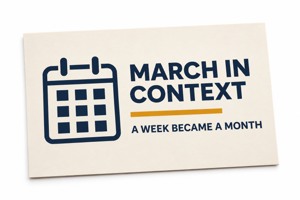
If readers need a short take-away introduction with source addresses, custom postcards for a short history introduction are one format. The linked product currently offers horizontal 6 × 4-inch cards, with 16pt stock and glossy-front-only finish listed as defaults. Its product note specifies purchase increments of 50; that is not a recommendation to print 50 for every reading.
Choose the amount and format after checking what existing resources can cover. Compare custom marketing materials and confirm your selected configuration and layout with DecentCustom. The pictured card is a fictional modern design, not an archival reproduction. This suggestion does not include postage or promise a learning outcome.