A release category describes how a record is offered. It does not tell a customer how many copies your shop has, reserve one or give a future reissue date. Keep those questions separate in your customer reply.

What do RSD Exclusive, RSD First and Small Run/Regional mean?
A first-time buyer in a public Record Store Day discussion asks about the different labels and how to know whether a local shop has the desired records before joining a line. That is one person's question, not a survey of buyers. The useful answer separates the label from the shop's stock.
The organizer's RSD 2026 list explanation describes three categories. Its page title identifies the year; the older-looking URL is not the event year to print on your notice.
- Exclusive: the physical edition is exclusive to independent record shops.
- RSD First: a release initially offered through indie shops that may reach other retailers or webstores later.
- Small Run/Regional: a release connected to a particular region or a pressing below 1,000 copies; a regional description needs checking for the particular title.
These definitions do not establish a future reissue date, another color variant, investment value or a promise that an edition can never appear again. Use the actual title's description for its format and distinguishing details. Do not turn “may” into a definite release schedule.
Does a pressing quantity tell me how many copies this shop has?
No. The US organizer explains that quantities on its list describe US availability, with worldwide figures sometimes separately stated in a title description. That is not an individual shop's allocation. Stores choose their own orders, may receive fewer copies than requested and may sell out.
For a specific record, identify the artist, title, format and edition from the current listing. A similar cover, a different color or an earlier pressing may describe a different product. Ask staff which version their answer concerns.
A useful internal note records the source and time of an answer. “Requested,” “expected,” “received” and “available now” describe different stages. Do not publish a received-stock claim based only on an order request, or leave a count online after staff know it has changed.
What should a customer ask the local store?
Ask whether the shop plans to carry the exact edition and where it posts its own availability and shopping instructions. The organizer warns that list details can change. Check the relevant event and year before sharing a link or a screenshot.
For a concrete past example, Stinkweeds' April 2026 FAQ invites questions about specific titles and quantities while stating that its event has no preorders or holds. Asking for information did not create a reservation. Its dated opening, limit and online-sale arrangements should not be presented as another shop's future policy.
Read the answer as an answer to a particular question: a shop can explain what it has received without promising it will remain unsold until you arrive. A wishlist, a reply or a directory entry is not purchase confirmation. Shop participation is another separate issue; owners considering an application can use this store-registration readiness guide.
A finished reply that removes two unsupported promises
Fictional example: Pressing Notes receives a question about an imagined RSD First edition. Its draft reply says the record will definitely reach all retailers next month and that contacting the shop holds a copy. Neither claim has been established.
The employee removes both promises. The manager approves this plain explanation for the shop's existing information page:
“RSD First describes an initial release route; it does not give us a confirmed wider-release date. Please identify the exact edition when checking with our staff. Our current shop information explains availability and how sales work. An information request does not reserve a copy.”
The team keeps changing stock information in its existing update channel, separate from the stable category explanation. It withdraws the proposed stock-guarantee card and places no print order. This is a completed fictional copy decision, not evidence that a real customer secured a record or that the wording reduced complaints.
Keep changeable stock details out of a lasting paper guide
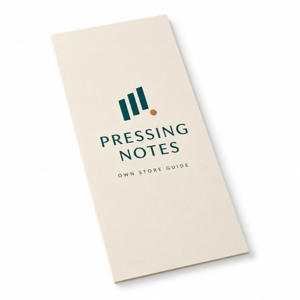
An existing web explanation or ordinary paper note may be sufficient. If a shop has a separate need for a stable original-brand handout, these paper rack cards for an approved store guide list a 3.74 × 8.27-inch size, standard 14pt cardstock and a current minimum quantity of 50. Confirm the selected thickness, finish and artwork requirements.
Compare custom marketing materials and review your own approved design with DecentCustom. The illustration includes no holder or official campaign mark. A paper card does not reserve stock, update inventory or establish permission to reproduce album art.
Reviewed November 22, 2026. The official category reference and named shop example concern 2026; no 2027 release list or local opening arrangement is announced here. The forum question is qualitative context with unverified identity and location.