Event invitation planning • Reviewed November 27, 2026
International Day of Persons with Disabilities is December 3. An event invitation is more useful when it explains how to participate, provides a working access contact and distinguishes requested support from arrangements the host has actually confirmed.
When is the International Day of Persons with Disabilities?
WHO identifies the annual observance as December 3. It concerns the rights, well-being and participation of persons with disabilities. The international date does not establish the time, venue or services of a local event.
Confirm the actual event separately. If a host uses a year-specific theme, check that theme at its current source before putting it on an invitation. A graphic from a previous year is not confirmation of this year’s local arrangements.
What should an invitation tell someone who wants to participate?
Start with the activity, date, time zone, location or joining route, and any registration step. Then provide a monitored way to ask about participation needs. A message saying “everyone welcome” leaves practical questions unanswered if the reader cannot use the registration form or find a responsible contact.
GSA’s accessible-meeting guidance recommends accessible email or web invitations, clear joining information, accessible registration and a means to request accommodations. It also discusses accessible materials and practice runs. Its federal-agency requirements have a particular scope; citing that page does not certify a private event under Section 508.
For a community host, use those planning prompts to check the actual invitation and participation route. Have the responsible organizer review the information in the format attendees will receive. A printed card should not be the only way to obtain essential details.
Does receiving an access request mean the support is confirmed?
No. A received request still needs an appropriate response and arrangements. DOJ’s effective-communication guidance explains that useful aids depend on the communication’s nature and context and the person’s usual method. One aid does not suit everyone.
The guidance also addresses advance notice and requests made without advance notice. Do not turn a planning date into an automatic refusal rule. Direct questions about the host’s legal responsibilities to the appropriate qualified adviser; this article does not determine them.
In the working plan, distinguish “request received,” “being arranged” and “confirmed with the attendee.” Assign someone to follow through. Keep personal request details in the host’s appropriate process rather than a public attendance sheet or promotional artwork.
A completed correction to a fictional event brief
Example A03 is fictional. A community host’s first invitation says “December 3 — fully accessible, captions available” and supplies an image-only flyer. The organizer has not checked the joining form, booked a captioning service or assigned a contact. The reviewer returns the draft: a broad claim cannot stand in for arrangements.
A03-v2 — working brief
Use a readable email and web notice alongside any flyer. Put the confirmed activity, time and joining information in text. Assign the event coordinator to monitor the published contact route and discuss individual access requests. Check the registration and meeting materials before release.
Captioning status: still being arranged; do not advertise it as confirmed. Coordinator action: resolve the proposed support with the responsible service and the attendee, then record the agreed arrangement. Local time and venue: pending host approval. Print batch: held.
This brief produces specific next actions without inventing a finished event. Once the host confirms details, review the actual revised invitation. Test the joining route and the agreed support rather than approving a file solely because it contains an accessibility symbol.
Would a printed event reminder help?
An existing accessible email or web notice may serve the task. Print is optional and should supplement the information route. If details are changing, keep them in a format the host can revise.
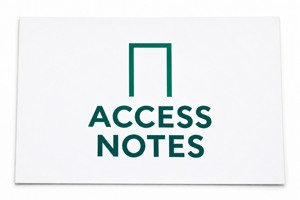
A flat reminder for approved information
These custom postcards for approved event information list 6 × 4-inch sizing and full-color printing on one or two sides. The listed ordering increment is 50, not an attendee estimate.
Compare custom thank-you card formats and give DecentCustom the approved artwork and selected configuration. The pictured card is an AI concept. Printing a message does not make a venue, document or service accessible, and the concept does not demonstrate Braille or any certification.
Questions before approving the invitation
Does December 3 confirm our local event?
No. Confirm the host’s own date, time, place and participation details separately.
Is an accessibility symbol enough?
No. Give readers usable information and a working contact, and verify the actual participation route and agreed support.
Can one standard aid meet every request?
No. Discuss the person’s needs and the communication involved with the responsible host; do not assume everyone uses the same method.
Must we order branded materials?
No. A usable existing invitation can be enough. Hold printing when essential event details or support arrangements remain unconfirmed.
Sources checked November 27, 2026. A03 and the artwork are fictional. This is communication planning, not legal advice or an accessibility audit. No real request, diagnosis, service booking, event approval or order was created.