Choose a workshop by what you’ll do in the room and what you can use back at work. Confirm the required materials and seat rules before blocking out your day.
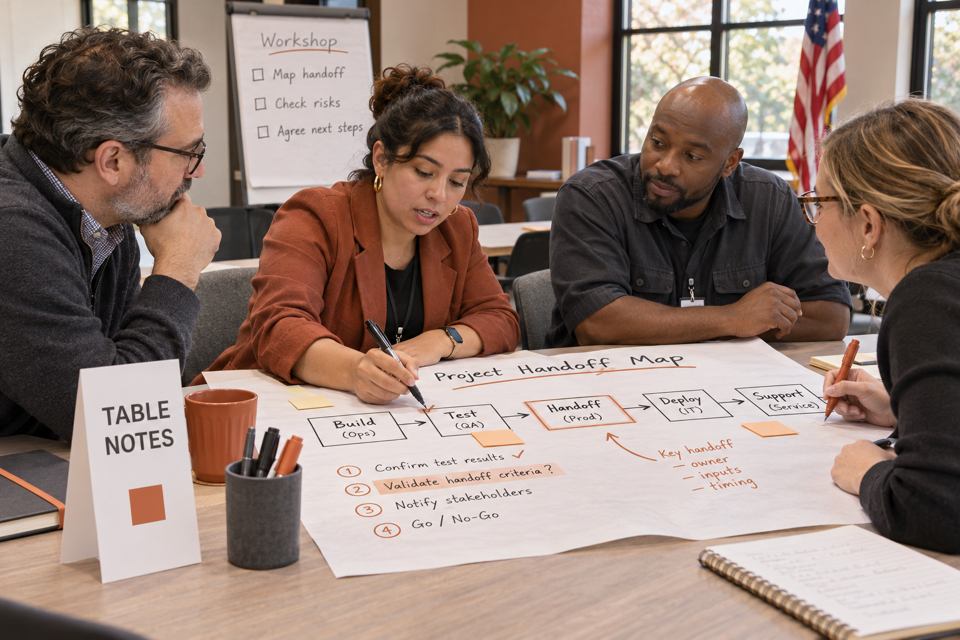
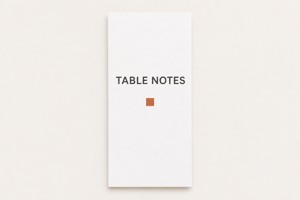
Illustrated workshop with a fictional workflow and Table Notes artwork.
How do you tell whether a workshop is worth your time?
Read the session description for a task you want to practice. If two sessions overlap, pick the one that offers a chance you’ll have trouble recreating afterward. That might be feedback on your own work, a guided exercise with an instructor, or time to ask several people how they handle the same problem.
A participant in a discussion about the value of professional conferences wondered what they would bring back to justify the travel and time away. Before picking a session, finish this sentence: “On Monday, I want to be able to ___.” A good session description helps you fill in the blank with a specific task.
Hands-on workshop. Look for something each person or group will do. If you want to practice mapping a process, look for time to sketch one and get feedback.
Demonstration. Choose this when you want to see the steps before trying them yourself. Ask what part will be shown and whether you’ll have access to the example later.
Panel. Choose this when you want several viewpoints or have a question about competing approaches. Look for a Q&A slot if you want the chance to ask it.
The OEB session format guide describes workshops with hands-on activities and how-to sessions with exercises and peer learning. Use the description in your own event’s program to find out what participants will actually do. Some programs put an exercise inside a talk without calling it a workshop.
What should you confirm before you go?
Check whether conference registration includes the workshop or it has a separate reservation, fee or waitlist. Open your confirmation and look for the specific session name. If you can’t find it, ask about entry before building the rest of your schedule around it.
Look for prerequisites, participant materials and access needs. For a software session, ask what device, account or installation is required and whether the organizer supplies a sample file. For a table exercise, find out whether you bring an example or use one the organizer provides. Use an approved or fictional example if your work contains client information.
A question you can send to the host
“The program says we’ll practice mapping a handoff. Will we build our own map or follow a demonstration? If we’re using a sample, can I get it ahead of time, and is my conference badge enough to enter?”
When a listing leaves the answer open, keep a second session on your schedule. Check whether the room change or extra setup time will affect your next commitment.
Leave with one thing you can try
In a fictional workshop, each table maps what happens between a repair request reaching the front desk and a technician accepting it. One participant notices that two people both think the other has told the customer who will call back. Their useful takeaway is a question to test with their own team, with an owner and a date.
A completed example
On Tuesday, ask the front desk lead to walk through one closed request. Write down who confirmed the callback and how the technician knew it was assigned. At the next team meeting, bring the map and one proposed change for the team to review.
While the session is fresh, mark which steps came from the exercise and which depend on your workplace. Check permission before sharing any slide or worksheet. You can usually put the idea in your own words and link to material the organizer has made public.
Put durable information on the part people take away
For organizers, put the exercise on a worksheet with room to write. If you’ll run the same session again, keep room numbers, temporary access codes and the latest file link on the live event page. A small card can point people to that page with a session name and readable web address.
A reference that fits on a narrow card
When a printed pointer would help, these custom rack cards for a workshop reference list a 3.74 × 8.27-inch format. Leave space for a memorable heading and the address. Test the link before printing. The pictured card is a fictional design.
Bring one if the exercise requires it. Ask the host about loaners, accounts and files before the day. A paper exercise may need only a pen and an approved example.
Can I drop into a workshop with my conference badge?
Check the workshop’s entry rules and your confirmation. A capacity-limited session may require a separate booking even if it appears on the conference agenda.
What if the workshop is full or overlaps with another session?
Ask about a waitlist, repeat session or public materials. Keep your backup session unless a place is confirmed, and choose based on which experience you can reproduce later.
The workshop and artwork shown here are fictional. The linked organizer’s format guide describes its own program.