Before putting a book illustration or excerpt on store merchandise, identify the exact material and proposed use. When permission is needed, a specific request is more useful than asking whether the shop can “use the book.”
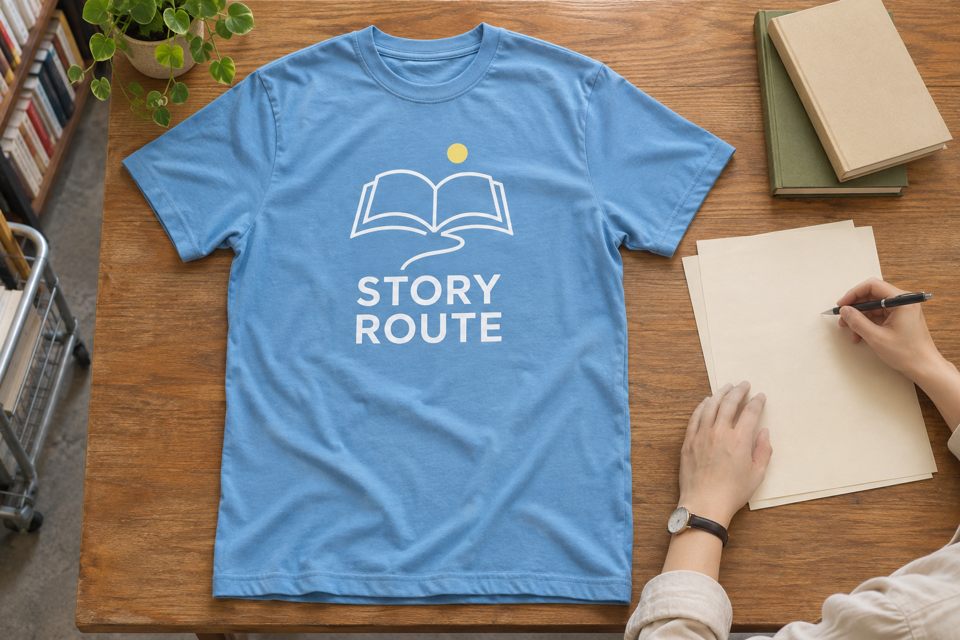
Describe the element you want to reproduce
A shop might be considering a cover illustration, a photograph inside a book, an excerpt or several elements together. Record which one you mean and the source edition. A photograph of a whole book does not necessarily tell the recipient which image or passage you intend to print.
The U.S. Copyright Office’s How to Obtain Permission, Circular 16A, explains that the current owner of the exact material matters; credits can identify separately owned material within a larger work. A missing copyright notice is not automatic permission. Its framework also recognizes legal limitations, so this planning guide does not decide whether a particular use requires a license.
Keep your source reference and proposed design together. Make it easy for the person reviewing the inquiry to distinguish the third-party element from your own store name, event copy and original artwork.
A merchandise inquiry is different from a display or excerpt inquiry
On its current Rights and Permissions page, Simon & Schuster lists Merchandise under subsidiary rights, separately from book-cover use as a prop or set dressing and excerpt permissions. That is a useful named example of why the intended use must be clear. It is not evidence that the publisher controls every element in every book, or that other publishers organize requests the same way.
Start with the actual title’s publisher or identified rights contact and follow the applicable route. If a page offers a form for film props, do not describe a shirt order as a prop simply because the form mentions covers. Ask where the merchandise inquiry belongs if the available choices do not match.
A bookseller account, an author appearance and an artwork-use request are separate conversations. Keep the latter visible in your project record rather than burying it in a book-stock or event-planning message.
Prepare a short brief before sending a request
Record the title, creator, edition and exact image or passage; the proposed product and design treatment; intended audience, quantity and distribution; whether items will be sold; and the requesting organization and contact. Circular 16A identifies the material, use, audience and sale information as useful request details. Start early enough to resolve who can respond.
For a World Book and Copyright Day project, first check the World Book Day dates and local event brief. Then add your actual proposed distribution period and locations. A draft use brief can be concise:
This is an original fictional request example. Replace its details with verified information and include the actual source reference before using it. No request was sent for this article.
Check what a response actually covers
Fictional example: Story Route plans the 48 shirts described above. Suppose a reply authorizes a book-cover image only for a temporary in-store window display. No actual publisher issued this reply; it illustrates a scope mismatch.
The coordinator compares the reply with the merchandise plan. The permitted window display and the proposed shirt design are different uses. The coordinator keeps the cover-art shirt on hold and asks the appropriate contact to clarify the merchandise request. Neither the friendly tone of the reply nor its mention of the same book resolves that difference.
The team separately considers its own original shop emblem for a shirt. It records the arrangement for using that artwork, asks the designer to prepare the selected product layout and checks the resulting file. This alternative does not turn the book-cover request into an approval, and the AI example shown here does not establish rights in any real design.
For a real response, retain the exact permission or license, the material and version it identifies, its applicable conditions and the person responsible for checking them. If the design or distribution plan changes, compare the new plan with that record before treating it as covered. An unresolved condition remains unresolved even after the artwork has been uploaded.
A word count or a credit line does not answer the whole question
The Copyright Office’s fair-use FAQ says there is no fixed number of words or percentage that establishes fair use; the circumstances matter. It also distinguishes ownership of a physical copy from rights in the underlying work. Buying a book therefore does not, by itself, establish the right to reproduce its artwork on your merchandise.
A credit identifies a source or creator. Keep any agreed credit, but do not use “we will name the author” as a substitute for evaluating the intended use and any necessary permission. This article supplies a planning method, not a ruling on a particular book or a particular fair-use claim. A specific unresolved legal assessment belongs with qualified counsel.
Choose the garment after settling the artwork plan
For a separate, approved original design, these short-sleeve crewneck shirts for approved original shop artwork list 100% cotton, 170 GSM fabric and a current minimum of 2. Check the actual selected sizes, color and size chart before ordering. The blue Story Route shirt is an AI concept, not a manufactured sample or licensed book tie-in.
Compare custom T-shirts and review the selected configuration with DecentCustom. An existing appropriate resource or a decision to hold the merchandise may meet the shop’s needs while the artwork question is open.