Promoting your brand through experiential marketing + custom product
Imagine a marketing strategy so powerful that 80% of consumers are more likely to buy because of it1. Experiential marketing turns passive viewers into active players. When combined with custom products, it creates a memorable brand experience. Brands like Lululemon have seen success by offering fitness classes and product tests in their stores, boosting their athleisure market share2.
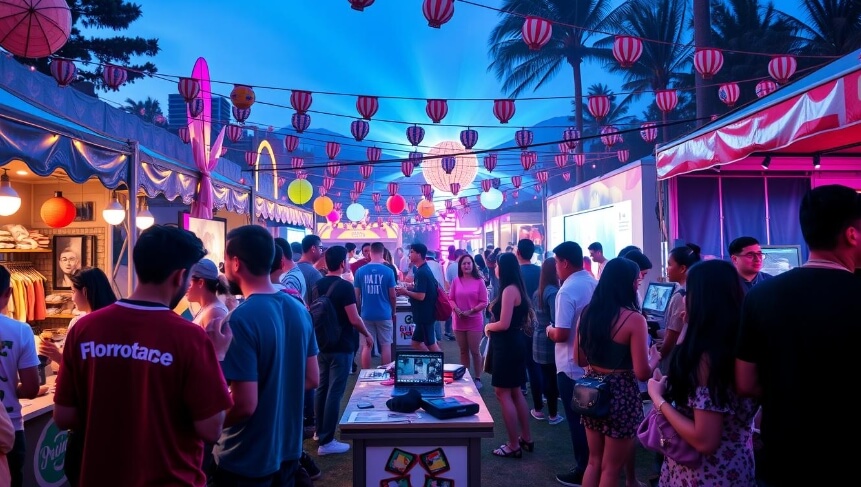
Remember the excitement of attending a pop-up event? I received a custom wholesale jute bag there. It was not just useful but also a conversation starter. This tote showed how effective experiential marketing and custom products can be.
Key Takeaways
Experiential marketing fosters deep consumer engagement through participatory brand experiences.
Personalized custom products can enhance the impact of these interactions, leading to increased brand loyalty.
Promotional giveaways are more than just free items; they're tangible parts of the consumer-brand relationship.
Utilizing data to provide personalized experiences, as shown by the likes of NikePlus and Sephora, can significantly boost consumer affinity1.
Event sponsorships and pop-up retail experiences are dynamic methods that resonate with both new and existing customers2.
Supporting charitable causes through experiential marketing can heighten brand awareness and consumer engagement2.
Understanding Experiential Marketing and Its Rising Popularity
Experiential marketing is all about getting people involved in brand stories and experiences. It's become very popular because it creates strong connections between brands and their audience. Now, companies are focusing more on making marketing personal and interactive.
Defining Experiential Marketing
At its heart, experiential marketing is about making moments that let people feel the brand. It's a way to create real experiences that build loyalty and encourage people to talk about the brand. It uses senses, emotions, and thoughts to make a brand stand out and reach more people.
Growth Trajectory: Emerging Trends in Engagement Marketing
The market for experiential marketing is set to hit $57 million by 20273. This growth shows that old-school ads aren't enough anymore. Today's shoppers want experiences that mean something to them. Experiential marketing meets this need, building real connections that boost sales and make a brand unique4.
Case Study: The Coca-Cola Christmas Truck Phenomenon
The Coca-Cola Christmas Truck tour is a prime example of experiential marketing success. It started as a holiday tradition and has become a symbol of the season. This campaign shows how interactive marketing can boost visibility and engagement. The 'Holidays are Coming' ad has made Coca-Cola a holiday staple, building loyalty and emotional connections.
Many industries are seeing the value in experiential marketing. Companies are investing more in these strategies to engage and build loyalty. Whether it's big events or small interactions, the aim is to make a lasting impression and turn people into brand fans.
The Key Components of a Successful Experiential Campaign
Experiential marketing is all about making things personal, interactive, and emotionally connected. These elements help create campaigns that exceed expectations. They build a strong bond between the brand and the consumer, based on real experiences.
55% of Millennials spend more on live experiences than on things they can own5. They are more likely to buy something after meeting the brand5. This shows how well experiential marketing works today. Brands now spend 30% more on these strategies than they did in 20185.
New tech like virtual reality and touchscreens change how brands connect with people. They make experiences memorable and fun6. These tech tools add to the traditional ways of experiential marketing, like live events. Together, they create a full experience that touches all senses.
Component
Description
Impact
Personalization
Tailoring experiences to individual preferences and behaviors.
Enhances relevance and engagement.
Interactivity
Active participation of consumers in the brand's narrative.
Increases memorability and positive brand association.
Emotional Connection
Creating meaningful interactions that resonate personally with consumers.
Strengthens loyalty and advocacy.
Immersive Experiences
Engaging consumers with a multi-sensory environment.
Deepens the impact of the experience and enhances satisfaction.
Experiential marketing's biggest strength is creating a deep emotional bond. It does this through personal, immersive, and interactive experiences. This approach not only grabs attention but also turns people into loyal fans and brand supporters57.
Creating Emotional Connections Through Live Brand Experiences
In the world of experiential marketing, I've seen how important emotional connections are. Storytelling is key in making these connections strong. It pulls consumers into a story that touches their hearts and memories.
Creating stories that make people feel is crucial. This approach boosts brand loyalty and encourages people to come back and share their experiences online8. I use sights, sounds, and smells to make the brand's story unforgettable. This way, people can't wait to share their experiences on social media9.
Strategy
Benefit
Crafting Compelling Storylines
Increases attendee engagement and sharing
Integrating Sensory Elements
Enhances memorability and emotional depth
Utilizing Data-driven Insights
Optimizes future campaigns for increased loyalty and attachment
I always use data from past events to make these experiences better. I focus on what emotions drive people's actions. This helps me design events that go beyond what people expect89.
By adding emotional visuals and storytelling, these events become more than just gatherings. They become moments where people connect deeply with the brand9. It's about making people feel the brand, not just seeing it.
Attendee satisfaction through impactful storytelling
Increased brand loyalty via immersive sensory experiences
Long-term attachment by meeting and surpassing attendee expectations
In conclusion, by using these strategies, brands can make a real connection with their audience. This builds a loyal community that shares stories and experiences that touch their hearts.
Integrating Custom Products into Experiential Events
The world of experiential marketing has changed a lot, thanks to the pandemic. It made virtual events popular, letting people join from home10. At the heart of this marketing is personalized merchandise. It helps create real connections with customers and makes brands more memorable11.
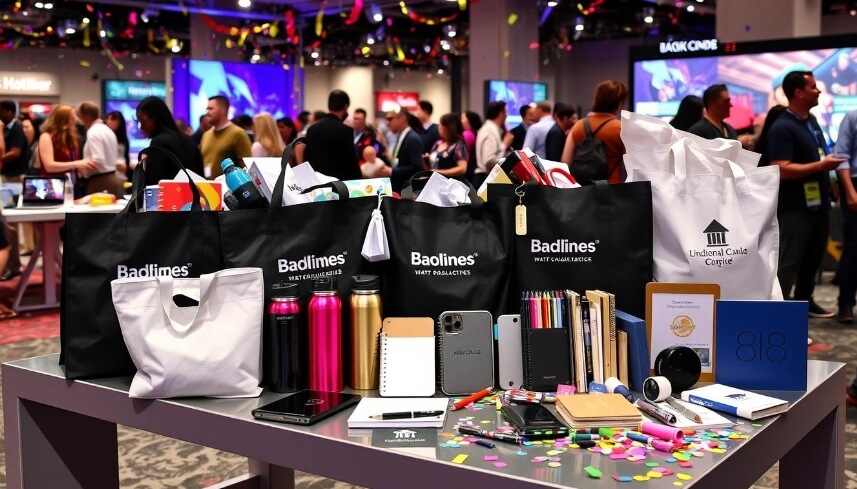
Using promotional giveaways at events gets people excited and boosts brand recall. Studies show a 61% increase in recall for those who get branded items11. Items like pens, USB drives, and coffee mugs remind people of the brand long after the event.
From my experience, using personalized merchandise at events leads to more sales and loyal customers. These loyal customers are more likely to buy again and tell others about the brand10.
Here's a table showing how customized items can boost engagement and brand growth:
Adding promotional giveaways to marketing strategies needs a skilled team. They must create engaging events that draw in the right audience. This approach boosts both interest in products and sales10. It's why many brands are now focusing on personalized marketing.
Experiential Marketing Strategies for B2B and B2C Brands
Experiential marketing is changing how B2B and B2C brands connect with their audiences. They use real-time, immersive events to build strong bonds. These events offer multisensory experiences that go beyond just ads.
In B2B marketing, companies use top-notch trade shows and custom booths to impress. Brands like Salesforce and Adobe lead with events like Dreamforce. They show off their tech through VR and games12. This highlights their innovation and creativity.
Event Marketing with a Twist: From Tradeshows to Pop-ups
Companies are moving from trade shows to pop-up shops for better customer interaction. B2C brands like Nike and Adidas use pop-ups for hands-on product experiences. They offer customization and VR demos for a memorable shopping trip12.
Leveraging Charity and Causes to Boost Brand Values
Both B2B and B2C brands use charity and social causes to improve their image. This approach deepens engagement and community ties. It helps build stronger brand loyalty through shared values, as seen in charity events by top brands.
Case Study: Lululemon and Community-Centric Retail Stores
Lululemon is a great example of B2C marketing with a focus on community. They host fitness classes and wellness workshops in their stores. This turns their stores into community centers, boosting brand loyalty and a sense of belonging.
Experiential marketing is key for both B2B and B2C brands to create lasting connections. It goes beyond simple transactions, offering memorable experiences. This approach leaves a deeper impact than traditional marketing.
In today's fast-paced market, using custom promotional products is a smart way to boost brand recognition. These promotional materials online give your brand a physical presence. They also have a lasting impact, keeping your brand in customers' minds.
Custom items range from everyday office supplies to wearable tech. This variety helps your brand stay visible in daily life and through mobile advertising13. Choosing items that appeal to your audience makes these tools even more effective for your brand campaigns13.
Using custom promotional products can also improve brand recall. Studies show that 89% of people remember the advertiser of a promotional product they got in the past two years14. This high recall rate is key for growing your business, attracting new customers, and keeping existing ones through word-of-mouth.
Offering eco-friendly products shows your brand cares about the environment. This can make customers happier and more loyal to your brand13. These branded products promote your business while also showing your commitment to social responsibility.
Product Type
Consumer Engagement
Brand Recall Rate
Usage Frequency
Wearable Tech
High
87%
Weekly
Eco-Friendly Items
Medium
85%
Occasionally
Office Supplies
Very High
89%
Daily
Using custom promotional products is more than just advertising. It includes direct mail, social media contests, and giveaways. These strategies can increase engagement and keep customers interested. 87% of people keep promotional items because they find them useful14.
To sum up, adding promotional materials online to your marketing plan is about building a lasting connection with your audience1314. Whether at trade shows, events, or online, these products like company pens in bulk and custom coffee mugs wholesale are powerful for building loyalty and recognition. A well-chosen promotional item can turn a potential customer into a loyal supporter, helping your business succeed in the long run.
Navigating the Challenges and Benefits of Experiential Marketing
We see the value of experiential marketing in building brand loyalty and community ties. It brings new tech and ways to engage people in old marketing methods. Yet, it comes with campaign challenges.
Immersive tech lets brands create more engaging experiences for people. But, it's key to know and solve the tech-related problems. Only 6% of marketers are very sure about measuring the ROI of offline marketing15. This doubt often comes from the hard task of tracking and showing the impact of these campaigns.
Navigating a new era of consumer engagement means balancing engaging customers and smooth logistics. Big names like Audi, BMW, and Volvo have stopped some promotional activities because they struggle to show clear value and ROI15.
Aspect
Challenges
Benefits
Customer Engagement
Logistical complexities
Strong emotional connections
Technology Use
Integration issues, high upfront costs
Enhanced immersive experiences
ROI Measurement
Inconsistent data, lack of real-time analytics
Potential for significant long-term gains
Manual processes can slow down communications and hurt conversion rates15. Companies must invest in systems for quick data processing and real-time engagement. This way, they can improve immersive experiences. On the other hand, in-person events are seen as very effective by marketers because they create instant emotional connections with the brand16.
Brands like Coca-Cola and Bud Light have used mobile marketing well. They boost visibility and encourage customers to interact16. These campaigns create unique brand experiences, leading to more awareness, loyalty, and even brand ambassadors16.
There are obstacles, but the benefits are worth it. Good experiential marketing strategies using immersive tech improve consumer interaction and offer big marketing benefits if done right and creatively.
Planning and Executing an Experiential Marketing Initiative
In the world of experiential marketing, it's crucial to blend brand awareness, consumer engagement, and emotional connection. I've seen how immersive experiences like augmented reality can engage senses and strengthen brand ties17.
Red Bull's Stratos event is a great example. It broke records and created a strong emotional bond with viewers worldwide17. This shows how focusing on engagement, not just exposure, can leave a lasting impact and build loyalty1718.
To pull off such campaigns, it's important to align strategy with creative ideas that match the brand's values. This ensures the campaign connects with the audience and stands out17. Also, direct product sampling can increase trust and sales by showing products in a real-life setting17.
Strategy
Description
Expected Impact
Immersive Experiences
Create virtual or physical environments that embody the brand's essence.
Enhance brand connection and memory retention.
Product Sampling
Allow consumers to test and experience the product firsthand.
Build trust and improve sales conversion rates.
User-Generated Content
Encourage content creation from event experiences to share on social media.
Increase organic reach and foster community engagement.
In conclusion, successful experiential marketing is about creating personal, memorable experiences. These experiences boost brand awareness and engagement18. By focusing on real customer interactions, brands can achieve their marketing goals and more1718.
Best Practices in Experiential Marketing and Brand Visibility
In today's market, experiential marketing is a key way to boost brand visibility and build real connections. It uses technology, sticks to brand values, and captures memorable moments. These steps help make a brand stand out and keep customers coming back.
Ensuring Brand Alignment and Authentic Experiences
Being true to a brand's values is key in experiential marketing. It makes sure each campaign shows what the brand is all about. This way, companies can make their brand more memorable and stand out in the market19.
Good experiential marketing gets people involved and creates content that spreads the word. This helps the brand's message reach more people naturally19.
Capturing Shareable Moments for Digital Amplification
In today's digital world, brands need to make content that people want to share. Experiential marketing does this by creating events that grab attention and get people talking19. This approach helps a brand's message get seen by more people, thanks to social media19.
Employing the Latest Technologies for Interactive Campaigns
Using the latest tech is a big part of modern experiential marketing. VR/AR can make experiences 50% more engaging, showing how tech can make a big difference20. Interactive parts can also make people more likely to remember and talk about their experience, by up to 40%20.
In the marketing world, I've seen how experiential marketing changes the game. It creates unforgettable brand moments by using sampling and immersive settings. For example, people waited in line to buy Snapchat Spectacles, showing how exciting new products can be21.
The Fortnite virtual concert is another great example. It drew over 12 million viewers, proving digital experiences can be huge21. It's not just about the event; it's about making moments that people want to share.
Personal touches in campaigns, like KitKat's "Free No WiFi Zone" and Google's virtual reality tour of Marseille22, are key. They show how brands can connect with people in a real way. This connection leads to better experiences and business growth.
Numbers back up the power of experiential marketing. 41% of marketers say it's the most effective method22. It boosts sales and makes people more likely to buy from brands they've interacted with22. Live demos and free samples, in particular, sway 80% of consumers22.
In short, experiential marketing is a game-changer. It entertains and grows brands. For more on successful strategies, check out here21.
Custom Product From Decentcustom.com: Enhancing Experiential Marketing with Personalization
In the world of experiential marketing, custom products are key to memorable brand experiences. Items like custom apparel, stickers & labels, and reusable totes & bags showcase brands in a unique way. Decentcustom.com is a vital partner for businesses looking to boost their marketing with personalized products.
Custom Apparel and Accessories in Brand Activations
Decentcustom.com provides a wide range of custom apparel for brand activations. Printed t-shirts and custom hats are more than giveaways; they strengthen brand identity. At events, these items create a sense of community and deepen attendees' connection to the brand.
How Customized Items Reinforce Brand Messaging
Decentcustom.com's stickers & labels help businesses spread their message beyond ads. These stickers turn everyday items into brand ambassadors. Reusable totes & bags boost brand visibility and show a commitment to sustainability, key in today's market.
Case Study: Google's Home Mini Pop-Up Donut Shops
The Google Home Mini pop-up donut shops show how custom products enhance marketing. Google used branded donuts and apparel to create a fun, engaging space. This approach improved the customer experience, boosting brand recall and loyalty.
To learn more about using custom products in marketing, check out Decentcustom.com23 for insights on improving customer experience in hotels.
In conclusion, Decentcustom.com is crucial for companies wanting to stand out with unique marketing products. Custom apparel, stickers, and eco-friendly totes are vital for successful experiential marketing campaigns23.
Digital Integration in Experiential Marketing
The world of experiential marketing has grown thanks to digital tech, like augmented reality (AR) and virtual reality (VR). These tools help create virtual experiences that blend with real-life events. This makes marketing campaigns more impactful and memorable.
Brands use this mix to grab attention and engage with people. This approach boosts awareness and loyalty.
AR and VR let marketers craft engaging virtual experiences. For example, IKEA's VR showroom lets people explore products in a virtual space. This helps them understand and choose products better, without needing to visit stores.
Digital interactions in these spaces are more than just looking at content. They involve real-time interactions with digital environments. This is key for brands wanting to make a lasting impression.
Virtual experiences create a strong bond between brands and consumers. They offer memorable interactions24.
VR and AR activations have a big impact. They increase brand awareness and engage customers in memorable experiences24. Social media helps spread these experiences, reaching more people and boosting campaign success24.
VR and AR make marketing campaigns feel modern and accessible. They offer unique, global experiences. This mix of digital and physical interactions opens up endless marketing possibilities.
In summary, combining AR, VR, and traditional marketing creates a new way to engage with brands. This digital blend allows for personalized and effective marketing. It drives real business results.
Conclusion
In today's fast-changing world of brand promotion, I've learned how experiential marketing changes the game. It makes brands more personal and unique, creating a deeper consumer-brand relationship. Stories like NIKEiD's huge revenue increase show how well these strategies work in grabbing attention25.
People are eager to pay more for unique things, with a 20% increase in spending on personalized items25. This desire, combined with a new business model that's flexible and software-driven, is a big win for everyone26. Brands like Guerlain use this approach to offer lots of customization options that appeal to today's shoppers2526.
To succeed in this journey, brands need to mix creativity with practicality, like Nissan did to boost profits25. Using custom software in marketing helps achieve this balance by improving value and making things more efficient26. In the end, staying true to a brand's story and values will make each campaign memorable. It turns a one-time interaction into a lasting bond between the brand and the consumer.
FAQ
What is experiential marketing?
Experiential marketing is a hands-on way to advertise. It creates direct, engaging experiences between brands and consumers. This approach builds a strong connection through sensory interactions, leading to loyalty and word-of-mouth.
How can custom products enhance brand experience in experiential marketing?
Custom products add a personal touch to marketing campaigns. They make experiences memorable and strengthen emotional bonds with the brand. This is especially true for personalized merchandise and promotional giveaways.
What types of experiential marketing strategies are there?
There are many strategies, like event marketing and charity events. Retail strategies, like in-store activities, also play a big role. These methods help brands connect directly with their audience.
Why are custom promotional products important in experiential marketing campaigns?
They boost brand recognition and serve as reminders of the brand experience. Items like branded tote bags and customized hip-hop caps keep the brand in mind long after the event.
What are the challenges involved in experiential marketing?
Challenges include logistical issues and ensuring the activation fits the brand's image. Brands must plan carefully and use immersive technologies to overcome these hurdles.
How do you measure the success of an experiential marketing campaign?
Success is measured by event attendance, consumer engagement, and social media activity. Feedback and post-event sales also matter. These metrics help improve future campaigns.
What are the best practices for experiential marketing?
Ensure experiences reflect the brand's values and encourage social sharing. Use the latest technology for engaging experiences. Consistency and authenticity are key to building real connections.
Can you share some memorable experiential marketing examples?
Coca-Cola's personalized bottles and Red Bull's Stratos Jump are great examples. They created emotional bonds and buzz through unique experiences.
How can Decentcustom.com products be used in experiential marketing?
Decentcustom.com offers products like custom apparel and reusable bags. These items can personalize brand activations, reinforcing messaging through unique touchpoints.
What roles do digital technologies like AR and VR play in experiential marketing?
AR and VR enhance marketing by offering immersive digital experiences. They merge the physical and digital worlds, creating lasting impressions and extending campaign impact.