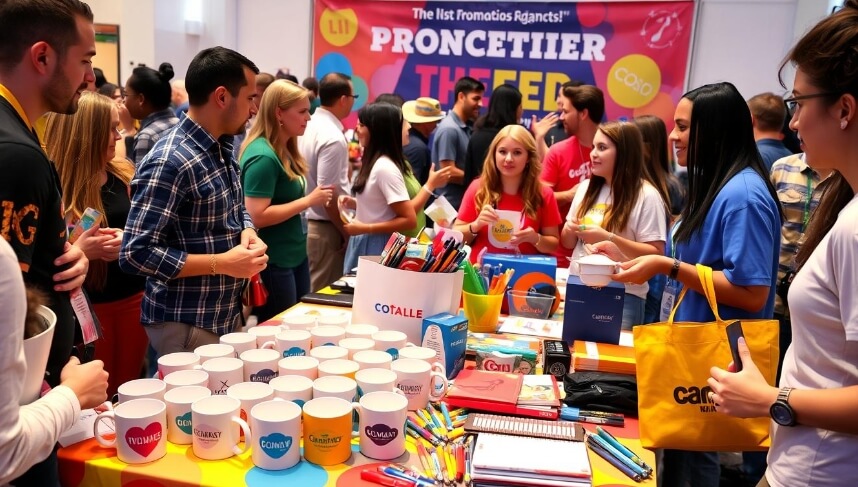
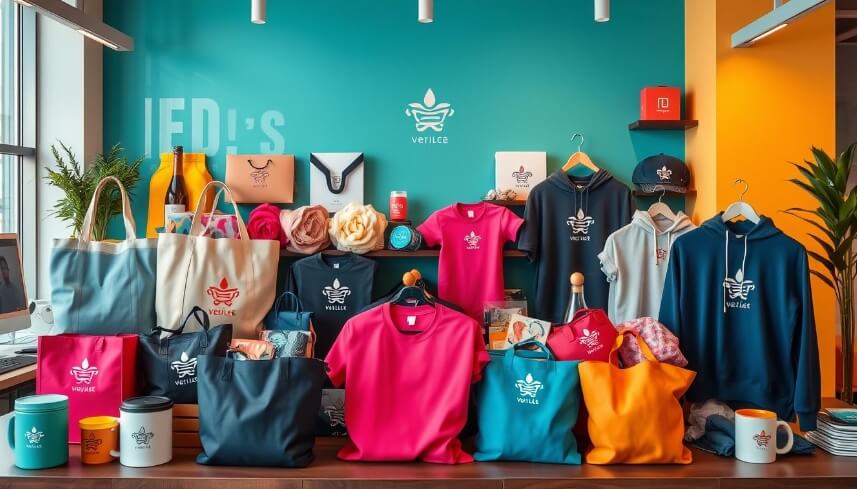
Did you know that 94% of people enjoy getting promotional products1? This shows how powerful branded merchandise can be in marketing. At a local trade show in Wichita, a small tech startup's branded USB drives were a hit.
People rushed to their booth to get the cool, logo-printed gadgets. This boosted the company's brand awareness a lot. 82% of consumers said they remembered the brand better after getting these items2.
These marketing tools do more than just give out items. 85% of people remember who gave them a promotional product2. This connection lasts, especially if they got it recently, with an 89% recall rate2.
Promotional products also encourage people to take action. 83% of consumers are more likely to do business with a brand after getting something from them2. This makes them a key tool for businesses wanting to grow.
But their impact isn't just outside the company. They also make employees feel valued. 71% of employees feel appreciated when they get something from their employer2. This simple act can improve morale and work performance.
Key Takeaways
Promotional products significantly boost brand awareness and recall
Promotional products have a wide-ranging impact on marketing strategies
Understanding Promotional Products
Promotional products are key in today's marketing. They help brands and companies connect with their audience. I've seen how gifts and swag can change how people see a brand and interact with it.
Definition and Purpose
Promotional products are items with a brand's logo given out to increase awareness and loyalty. They are physical reminders of a brand, leaving a strong impression. Studies show people are more likely to have a positive view of these items than ads3.
Types of Promotional Items
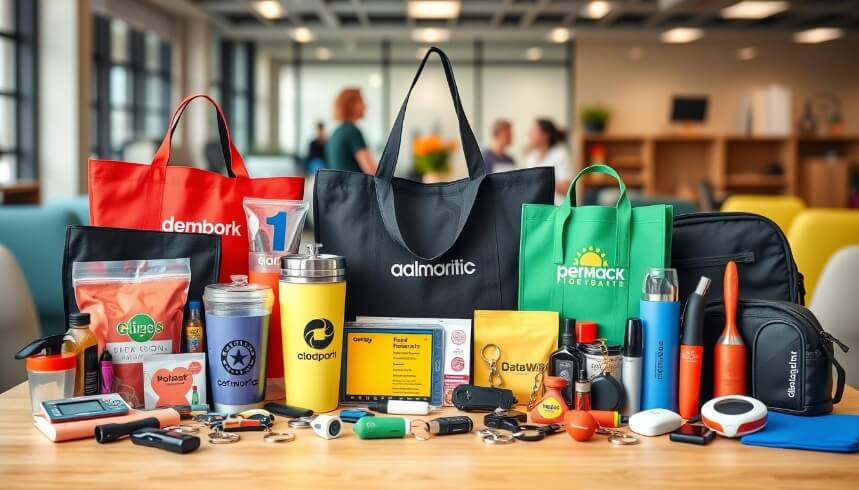
There are many types of promotional products:
Apparel (t-shirts, outerwear)
Accessories (bags, headwear)
Writing instruments
Tech gadgets
Personal protective equipment (PPE)
Item
Estimated Lifetime Impressions
Outerwear
6,100
T-shirts
3,400
Headwear
3,400
Bags
3,300
Writing instruments
3,000
Impact on Brand Perception
Promotional products have a big impact on how people see a brand. They stay with the recipient for about seven months, making a lasting impression3. Most people keep these items for over a year, and many judge a company by its swag4.
The U.S. promotional products market is huge, with over $23 billion in sales each year4. Gifts and swag are vital for brands to be seen and connect with customers.
The Power of Tangible Marketing
In today's digital world, tangible marketing through promotional items stands out. Physical products leave a lasting mark, making people feel valued and accomplished. This hands-on way of connecting with brands can boost digital efforts.
Promotional products have a big impact. In the U.S., marketers spend $24 billion a year on them, with growth at 3% annually5. This effort pays off, as 85% of people like brands more when they give out promotional items5.
The lasting effect of tangible marketing is clear. People keep these items for over six months, sometimes up to two years5. An amazing 89% remember the advertiser for up to two years after getting these items5.
Wholesale jute bags and custom bags are great examples. They're useful and show off your brand. They also fit with what people want today: eco-friendly stuff.
Impact
Digital Marketing
Tangible Marketing
Message Retention
Lower
Higher
Sensory Engagement
Visual only
Multi-sensory
Perceived Credibility
Lower
Higher
Consumer Engagement
Moderate
High
Tangible marketing does more than just make a good first impression. It makes a whole campaign 44% more effective when used with digital marketing5. This mix of digital and physical creates a memorable brand experience.
"Tangible marketing materials have a sensory connection that enhances consumer engagement."
In summary, tangible marketing makes a big difference. It builds lasting connections, and loyalty, and works well with digital marketing. Adding items like wholesale jute bags and custom bags to your marketing can boost your brand's reach and impact.
Setting Clear Goals for Your Promotional Campaign
Setting clear goals is key for any promotional campaign. By setting specific objectives, I can measure success and make better decisions6.
Increasing brand awareness
To boost brand visibility, I look at social media engagement and brand mentions. Tracking these shows how well my promotional items work. My goal might be to increase brand mentions by 20% with a targeted campaign7.
Generating leads
For lead generation, I watch conversion rates and cost per acquisition (CPA). This shows how well my promotional products work. My aim could be to cut CPA by 15% with the right promotional materials7.
Boosting customer loyalty
To improve customer loyalty, I look at customer lifetime value (CLV) and repeat purchases. I might aim to raise CLV by 10% with a loyalty program and special items for repeat customers7.
When setting goals, I use SMART or OKRs to keep things clear and effective. These help me set clear, measurable goals with deadlines8.
Aligning my promotional goals with the company's bigger picture makes for a strong marketing plan. This way, every promotional item helps move my business forward8.
Identifying Your Target Audience
Knowing who you're marketing to is key. I'll show you how to make customer personas and pick products that fit what they like. This way, your swag will connect with people.
Creating Customer Personas
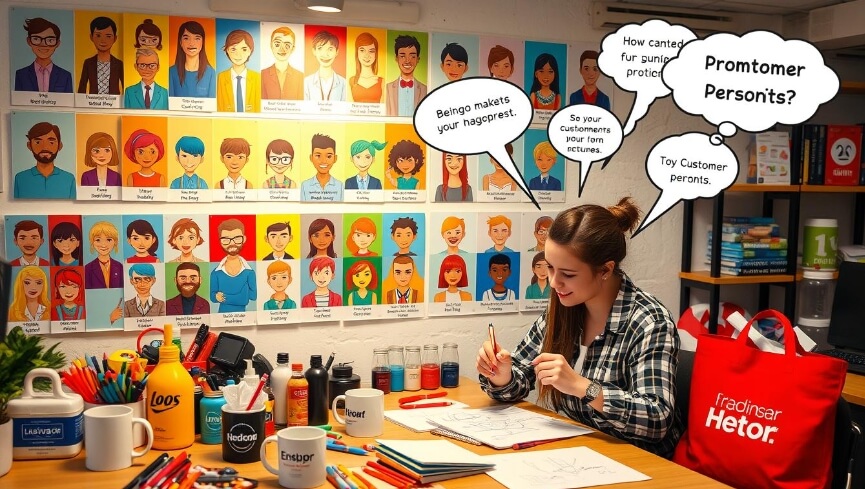
To make great customer personas, I look at my current customers and do research. Most marketers aim at three main groups9. It's smart to have three to five personas to get to know your customers10.
I think about age, gender, where they live, how much they make, their education, jobs, and hobbies. This helps me pick items that will speak to them. For example, I might give out tech stuff to those who love gadgets or health items to fitness fans.
Matching Products to Audience Preferences
After making my personas, I match my wholesale custom mugs and other items to what they like. I use Google Analytics to learn about my site visitors. This tells me where they're from and what they like to see10.
By making things personal, I can get more people involved. 80 percent of people are more likely to buy from a brand that knows them10. This way, my items will stand out and get results.
It's common for businesses to have more than one group they're trying to reach. For example, a moving company might aim at city folks and suburban families9. By making my swag fit each group's needs, I make my campaigns work better.
I always choose promotional items that match my brand and appeal to my audience. Decentcustom.com has many customizable options, like clothes and office supplies. Bulk business pens and custom sun visors are great because they're useful and show off your brand.
Apparel, drinkware, and office supplies are the most popular11. These items are used every day, making your brand more visible. For example, custom sun visors are stylish and protective, while bulk business pens are handy in offices and homes.
Promotional products work. 85% of people do business with a company after getting a promotional item, and 76% remember the brand12. This shows how effective the right promotional items are in boosting brand recognition and engaging customers.
Product Category
Popularity
Average Retention
Apparel
High
1-4 years
Drinkware
High
1-2 years
Office Supplies
Medium
6-12 months
Bags
Medium
1-3 years
Quality is key when picking promotional products. 72% of people link a company's reputation to the quality of its promotional items12. By picking durable, useful items like bulk business pens or custom sun visors from Decentcustom.com, I make sure my brand is seen positively and stays useful for a long time.
"The right promotional product can turn everyday items into powerful brand ambassadors."
In today's world, eco-friendly promotional products are becoming more popular. 88% of marketers suggest going green13. This trend fits with what consumers want and can make your brand seem better. When picking items from Decentcustom.com, I look for both usefulness and eco-friendliness to make a bigger impact and last longer.
Aligning Products with Your Brand Identity
Choosing the right branded merchandise and corporate gifts is key. They should match your brand's identity. This makes your brand more recognizable and shows your values to others. Let's see how to do this well.
Consistency in Design and Messaging
Keeping design, colors, and messages the same across all items is important. Colors can make up to 90% of first impressions14. Create a guide for your brand's look, including logo, typography, and colors14.
Being consistent in branding can make your brand 3 to 4 times more visible15. It takes five to seven times for someone to remember a brand15.
Reflecting Brand Values Through Product Choice
Choosing products that show your brand's values is key. For example, eco-friendly items show you care about the environment16. This makes 77% of people more likely to choose your brand15.
Quality in promotional products is crucial. It shows your brand's reputation and builds loyalty16. 57% of people trust a brand based on their experience15.
Brand Type
Recommended Promotional Products
Brand Message
Luxury
High-end leather goods
Exclusivity and quality
Eco-friendly
Recycled notebooks, reusable straws
Environmental responsibility
Tech-savvy
Smart gadgets, power banks
Innovation and Connectivity
Casual
Trendy, colorful items
Fun and approachability
Aligning your products with your brand identity is a powerful marketing tool. It boosts visibility and loyalty16. This strategy can help your business grow, with 68% seeing revenue increases of 10% or more15.
Budgeting for Promotional Products
Creating a budget for promotional items needs careful planning. Start-ups should save 12 to 20 percent of their revenue for marketing. For established companies, 6 to 12 percent is common17. It's smart to spend less than twenty percent on these items17.
When planning your promotional strategy, consider different budgeting methods:
Affordable budget
Percentage of sales budget
Competitive method
Task-specific method
Each method has its benefits. They help you fit your spending to your business goals and budget17.
To handle unexpected costs, add a ten percent buffer to your budget17. This extra money can help with price changes or extra items. Buying in bulk often saves a lot of money, especially for custom bags wholesale.
Think about the different types of promotional items:
Swag Type
Purpose
Trade show giveaways
Attract potential clients at events
In-the-moment giveaways
Spontaneous brand promotion
Corporate wear
Employee branding and unity
Employee appreciation rewards
Boost morale and retention
By planning your budget well and choosing the right items, you can make your marketing more effective. This way, you can keep costs in check17.
Timing and Distribution Strategies
Effective distribution strategies are key to reaching more customers. Companies must pick the best channels to send out marketing giveaways and promotional materials18.
Seasonal Campaigns
Seasonal campaigns are a great chance to match promotional materials with holidays or events. Timing your giveaways with these events can greatly increase their impact. For instance, sending out branded calendars or planners at the start of the year keeps your brand in mind all year.
Event-based Distribution
Trade shows, conferences, and business events are perfect for handing out promotional items. These events let you meet potential customers face-to-face, making it easier to show off your brand. Distributors are crucial in this, helping to aggressively sell products and seize market chances18.
Direct Mail Opportunities
Direct mail campaigns offer a personal touch in distributing promotional materials. This method targets specific audiences, ensuring your giveaways reach the right people. It's a great way to mix the realness of promotional products with the accuracy of targeted marketing.
Distribution Strategy
Description
Example
Direct
Fewer channels to reach end-users
Apple's direct-to-consumer strategy
Indirect
Multiple channels before reaching end-users
Coca-Cola's network of bottling operators
Selective
Limited outlets to emphasize product quality
Luxury brands in high-end stores
Choosing the right distribution strategy is vital for companies to ensure their promotional materials reach the right people. Whether it's through seasonal campaigns, event-based distribution, or direct mail, the goal is to match your approach with your brand and target market1918.
Leveraging Social Media for Promotion
Social media is a great way to promote customized swag and promotional products. The average US adult spends 2.25 hours on social media each day. This gives you lots of chances to show off your branded items20.
Instagram is a top choice for promoting, as 81% of users check out products and services there20. Make your posts stand out with cool visuals of your items. Working with influencers can also help you reach more people and build trust.
Ask people to share photos of your swag on social media with special hashtags. This social media marketing strategy creates content from your customers and boosts your brand's visibility. More than 70% of people will suggest your business to others if they have a good experience with it on social media20.
LinkedIn is also key for B2B marketing of promotional products. Since 4 out of 5 LinkedIn users help make business decisions, it's a great place to meet industry folks and get leads in 2021.
Always talk to your followers on social media. Almost 80% of Twitter users feel better about a company that talks back to them. Building a community can make people loyal to your brand and help your campaigns succeed in the long run20.
Measuring the Success of Your Promotional Products Campaign
It's key to check how well your promotional items and branded merchandise work. I'll show you important metrics and ways to see how your campaign is doing.
Key Performance Indicators (KPIs)
Here are the main KPIs to watch:
Return on Investment (ROI): Find by subtracting campaign cost from revenue, then divide by cost22.
Conversion Rate: See how many visitors turn into leads or customers23.
Website Traffic: Use tools like Google Analytics to see site visit increases22.
Social Media Engagement: Look at likes, shares, comments, and click-through rates22.
Tracking ROI
ROI tells if your campaign is making money. A positive ROI means you're doing well, but a negative one means you need to improve22. Here are some key metrics:
Metric
Description
Importance
Customer Lifetime Value (CLV)
Total value a customer gives over time
Looks at long-term revenue
Cost Per Acquisition (CPA)
The average cost to get a new customer
Helps spend marketing money wisely
Return on Ad Spend (ROAS)
Revenue from ads spent
Checks ad effectiveness
Gathering Customer Feedback
What customers say is super important for improving your strategy. Here's how to get their thoughts:
Surveys: Send out questions to see how happy they are and what they think.
Social Media Monitoring: Watch for mentions and feelings to see how they see your brand22.
A/B Testing: Try different things to see what works best22.
By always looking at these metrics and feedback, you can see how well your promotional marketing is doing. This way, you make sure your items and merchandise really make an impact and bring in good returns.
Integrating Promotional Products with Other Marketing Channels
I've learned that mixing marketing giveawayswith other promotions makes a big impact. Promotional items are more than just things to give away. They're part of a bigger marketing plan. When you match corporate gifts with emails, social media, and content, your message gets out there stronger.
Promotional items make a difference. Research shows that 88% of people remember who gave them a promotional item. And 85% have bought from a company because of it24. This makes them key to any marketing plan.
To get the most from corporate gifts, use QR codes. These codes link to online stuff, blending physical and digital marketing. It boosts engagement and helps track how well your campaign is doing.
"Promotional products yield a better cost-per-impression than many forms of advertising, including traditional media and expensive digital ads."
Promotional items last a long time, which adds to their value. People keep them for 6-12 months, sometimes up to two years24. This means your brand keeps talking to people long after you give them out.
Here's how promotional items stack up against other marketing:
Marketing Channel
Average Retention
Brand Recall
Cost-Effectiveness
Promotional Products
6-12 months
88%
High
Email Marketing
2-3 days
70%
Medium
Social Media Ads
1-2 days
65%
Low-Medium
TV Commercials
30 seconds - 1 minute
75%
Low
By mixing promotional items with other marketing, businesses can make a strong brand experience. This approach strengthens your brand and makes your marketing dollars go further.
Creating Exclusivity and Urgency
In the world of promotional marketing, making things seem exclusive and urgent can boost your swag's appeal. By using these psychological tricks, businesses can get people excited and eager for their swag. This makes your customized items more desirable.
Limited Edition Items
One smart move is to offer limited edition items in your campaigns. These special pieces of swag can get people talking. They create excitement and make people feel they're getting something unique25. For instance, you could have a custom water bottle only for the first 100 buyers during an event.
Time-Sensitive Offers
Another great strategy is to use time-sensitive offers. These deals create a rush, pushing people to act fast26. You might offer a discount on swag for a short time or have a special collection for a season.
To make the most of these offers:
Use countdown timers on your site to remind customers of the offer's end
Put clear end dates on your ads
Use pop-ups to highlight sales
Add low stock alerts on product pages to create urgency
Strategy
Benefits
Example
Limited Edition Items
Creates exclusivity, boosts demand
Custom-designed water bottle for the first 100 customers
Time-Sensitive Offers
Motivates quick action and increases sales
24-hour flash sale on branded t-shirts
Pre-Order Campaigns
Generates early interest, secures sales
Early access to new company swag collection
By mixing these strategies, you can make your swag feel exclusive and urgent. Pre-orders can make up 15-28% of sales on launch day, showing their power25. Don't forget to use social media to build FOMO and engage customers with your unique swag26.
Customization and Personalization Techniques
Customization and personalization are key in promotional marketing. They make a big difference in the impact of items like custom sun visors. By offering personalized choices, we build a stronger bond with our audience.
We use data to make our promotional items fit different groups. For example, we can make special versions for different audiences or events. This makes our products seem more valuable and helps build loyalty.
Personalizing online shopping makes it more engaging and boosts sales27. Advanced tech analyzes customer data to offer better experiences. This includes what they've looked at and bought, and who they are27.
People want personal experiences. A big 71% get upset with impersonal experiences, and 72% only respond to personal messages28. This shows how crucial personal touches are in our marketing.
Personalized gifts, like custom sun visors, make people feel special29. They help remember our brand better29. Offering personal choices helps us connect with customers, creating goodwill and encouraging them to come back29.
By adding customization and personalization to our marketing, we make deeper connections. This leads to better results in our marketing efforts.
Conclusion
Promotional products are a strong tool in marketing. They help brands stand out and connect with customers. Studies show that 89% of people remember the brand of a product they got in the last two years3031. This shows how branded merchandise leaves a lasting mark on our minds.
Businesses in America spend about $20 billion a year on these tools. And it's no surprise why 30. A huge 85% of people choose to do business with advertisers after getting a free item. Also, 83% like getting products with ads31. These numbers show how effective promotional products are in getting people to act and build a positive image of a brand.
To get the most out of promotional products, pick useful items that last long. For example, personalized coffee mugs are very effective, with 57% of people remembering the advertiser3031. By choosing items that make a difference in people's daily lives, brands can keep their message in front of customers for about 6.6 months31. This long-term visibility, along with the cost-effectiveness of promotional products, makes them a wise choice for businesses aiming to increase brand awareness and customer loyalty.
FAQ
What are promotional products?
Promotional products are items given away for free to people. They aim to create excitement and encourage action. These items help businesses stand out in a busy market.
What are the common types of promotional items?
Common items include clothes, stickers, labels, bags, pens, mugs, and plant pots. These items are used to promote brands.
What is the impact of promotional products on brand perception?
Promotional products greatly affect how people see a brand. People tend to think more positively about items than ads. These items stay with people for about seven months, keeping the brand in their minds.
Why are promotional products effective in the digital age?
In today's world, physical items stand out. They give people a real experience, making a stronger impression than digital ads.
How should I set goals for my promotional campaign?
Set goals that match your marketing plans. These goals should be clear, measurable, and achievable. Examples include increasing brand awareness or boosting customer loyalty.
How do I identify my target audience for promotional products?
Create detailed profiles of your customers. Think about their age, interests, and what motivates them. Choose items that fit their needs for the best results.
What should I consider when selecting promotional products from Decentcustom.com?
Think about how useful and valuable the items are. Make sure they match your brand's identity. Choose items that people will find useful and valuable, keeping your brand in their minds.
How can I align promotional products with my brand identity?
Keep your design and messaging consistent across all items. Choose products that show your brand's values. This strengthens your brand in people's minds.
How much should I budget for promotional products?
Set aside 5% to 10% of your marketing budget for these items. Look for deals to save money. Choose items that offer great value for your budget.
When is the best time to distribute promotional products?
Time your distribution for the biggest impact. Use seasonal events, trade shows, and product launches. Direct mail can also target specific groups.
How can I leverage social media for promotional products?
Show off your products on social media. Work with influencers and ask people to share photos with hashtags. This boosts your reach and gets more people involved.
How do I measure the success of my promotional products campaign?
Track your progress with clear goals like brand awareness and customer loyalty. Compare costs to sales or new customers. Ask for feedback to see how well people like your items.
How can I integrate promotional products with other marketing channels?
Match your items with email campaigns, social media contests, and content marketing. Use QR codes to link to digital platforms. This keeps your message and branding consistent.
How can I create exclusivity and urgency around promotional products?
Offer special or limited edition items. Run time-limited deals and use countdowns to create a sense of urgency. This encourages people to act quickly.
How can I personalize promotional products?
Let people customize items with their names or designs. Use data to tailor items to specific groups. Create different versions for different audiences or events.