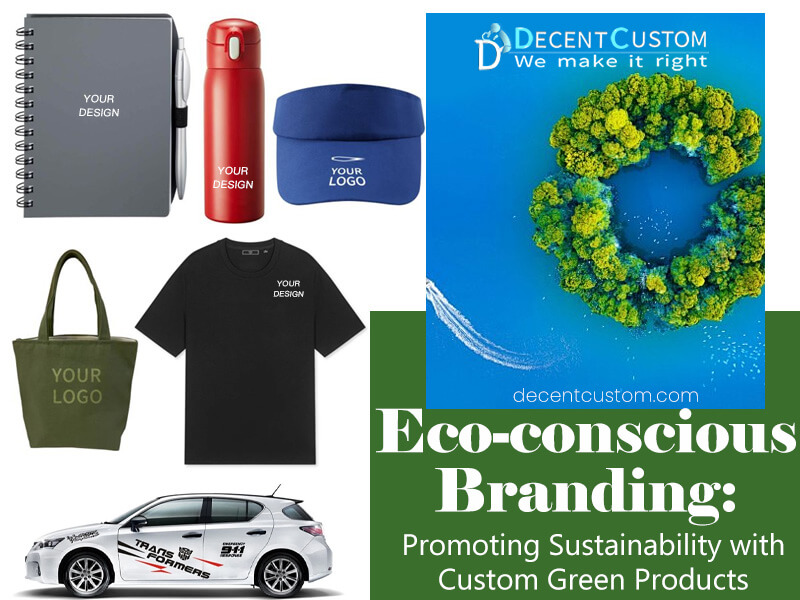
Eco-conscious Branding: Promoting Sustainability with Custom Green Products
Introduction: The Rise of Green Branding
In an era where environmental responsibility is not just appreciated but expected, eco-conscious branding has become a vital part of business strategy. This article delves into how businesses can leverage sustainable practices and custom green products to build a brand that resonates with modern consumers and contributes positively to the planet.
Sustainable Branding - Principles and Practices
Building a Brand with Purpose
Sustainable branding isn’t just about using green logos; it's about integrating environmental ethics into every aspect of a business. It's a commitment to reducing the carbon footprint and promoting eco-friendly practices that align with consumers' values.
Green Marketing Strategies - Promoting Sustainability
Engaging Customers in a Greener Future
Effective green marketing strategies are crucial in communicating a brand's commitment to sustainability. This involves showcasing the environmental benefits of products and the company's efforts in conservation and sustainability initiatives.
Community Engagement - Local Sustainability Initiatives
Partnering for a Greener Community
Engaging with local communities through sustainability initiatives can significantly amplify a brand’s environmental message. Collaborations with environmental groups, local businesses, and educational institutions create a network of shared values and goals.
Packaging Innovations - Sustainable Packaging Options
Reducing Waste with Innovative Designs
Sustainable packaging is a key element in eco-conscious branding. Innovations like biodegradable materials and minimalistic designs not only reduce waste but also convey a message of environmental responsibility. |  |
Product Lifecycle - Considerations for Sustainability
From Creation to Disposal
Considering the entire lifecycle of products, from sourcing materials to disposal, is critical in sustainable branding. This includes using renewable resources, ensuring energy-efficient production, and facilitating recycling or biodegradation.
Corporate Responsibility - The Role in Broader Environmental Efforts
Beyond Business: Contributing to Global Efforts
Corporate responsibility in sustainability goes beyond business operations. It involves active participation in global environmental efforts, policy advocacy, and funding research in sustainability.
Real-Life Cases: Success Stories in Sustainable Branding
Case Study 1: The Green Tech Initiative
TechCo, a tech company, introduced a line of custom USBs made from recycled materials. Their campaign highlighted the reduced e-waste impact, leading to increased customer loyalty and a significant boost in sales, showcasing the power of product-based sustainability narratives.
Case Study 2: The Banner for Change Campaign
The campaign not only attracted eco-conscious customers but also sparked conversations about sustainable practices in retail, illustrating the impact of visual branding on sustainability.
Looking Ahead: The Future of Sustainable Branding
Innovation and Impact
The future of sustainable branding will likely see more innovation in product design, packaging, and marketing strategies. As technology advances and consumer awareness grows, businesses will be expected to adopt more holistic and impactful sustainability practices.
Conclusion: Charting a Greener Path in Branding and Business
In conclusion, the integration of eco-conscious branding and the use of custom green products represent more than a trend; they are essential components of a sustainable future in business. This approach goes beyond mere marketing tactics, embedding environmental responsibility into the core values and operations of a company.
As businesses continue to navigate the challenges and opportunities of sustainable practices, the emphasis on green products, innovative packaging, and responsible corporate behavior is not just about adhering to environmental standards. It's about leading a cultural shift towards more mindful consumption and ethical business practices.
The cases and strategies discussed highlight the significant impact that eco-conscious branding can have - not just on a company's image, but on its overall contribution to global sustainability efforts. By prioritizing environmental stewardship, businesses can cultivate a loyal customer base, foster community engagement, and lead by example in the global movement toward sustainability.
Looking ahead, the path for businesses is clear: embrace innovation, engage with communities, and commit to sustainability in every aspect of operations. As this becomes the new norm, businesses will not only thrive in a competitive marketplace but also play a pivotal role in shaping a more sustainable and responsible world.
Ultimately, eco-conscious branding and sustainable business practices are about leaving a positive imprint on the planet, one product, one strategy, and one innovation at a time.
FAQ Section
1. What is eco-conscious branding?
Eco-conscious branding is the practice of integrating sustainability into a brand's identity, values, and operations, focusing on environmental responsibility and ethical business practices.
2. Why is sustainable packaging important?
Sustainable packaging reduces environmental impact, minimizes waste, and communicates a brand's commitment to environmental stewardship.
3. How can businesses engage communities in sustainability?
Businesses can engage communities through local environmental initiatives, partnerships with eco-groups, and educational campaigns about sustainability.
4. What role does product lifecycle play in sustainable branding?
Considering the entire lifecycle of a product ensures that every stage, from production to disposal, aligns with sustainability principles.
5. How can businesses contribute to broader environmental efforts?
Businesses can contribute by participating in global sustainability programs, advocating for eco-friendly policies, and investing in environmental research and innovations.