Custom Culture: Promoting Your Museum or Gallery with Personalized Items
Introduction: The Art of Personalization in Museums and Galleries
In today's cultural landscape, museums and galleries are increasingly recognizing the value of personalized merchandise as a tool for engagement, education, and brand enhancement. This exploration into custom culture delves into how bespoke items can transform the visitor experience and elevate a cultural institution's identity.
Significance for Museums and Galleries
Beyond the Exhibition: Extending the Experience
Custom merchandise in museums and galleries isn’t just about souvenirs; it's an extension of the cultural experience, offering visitors a tangible memory of their visit and a deeper connection to the exhibits.
Merchandise Selection - Art-inspired Products
A Canvas for Creativity
Art-inspired products, such as custom pens in bulk or unique postcards, can turn everyday items into masterpieces, capturing the essence of exhibitions and artists in an accessible format. | 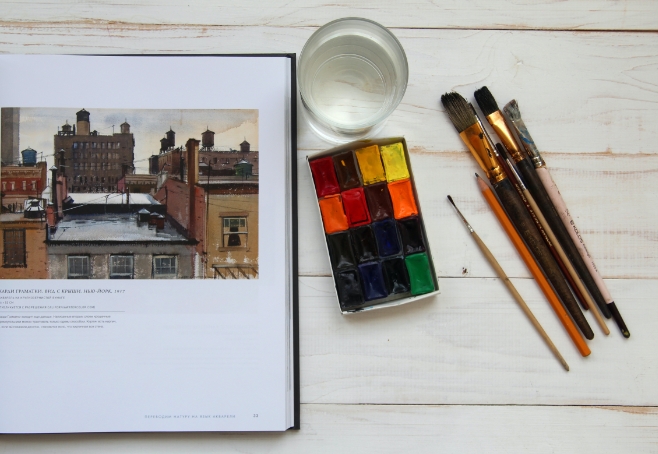 |
Educational Products - Enhancing the Learning Experience
Learning Through Customization
Educational products, including custom-designed books and interactive kits, serve as valuable tools for learning and engagement, particularly for younger audiences. They make art and history accessible and enjoyable.
Event Merchandise - Custom Items for Exhibits and Launches
Celebrating Moments with Bespoke Products
Custom event merchandise, like Custom Retractable Banners for new exhibits or limited-edition items for gallery launches, adds exclusivity and excitement to cultural events, enhancing visitor engagement.
Collaborations with Artists - Exclusive Merchandise Partnerships
Bridging Art and Audiences
Exclusive merchandise collaborations with artists offer unique opportunities for cultural institutions to celebrate creativity and support the arts while providing visitors with one-of-a-kind items.
Membership Perks - Custom Items for Members
Rewarding Loyalty with Uniqueness
Custom items for museum and gallery members, such as personalized membership cards or special edition merchandise, serve as tokens of appreciation, fostering a sense of belonging and encouraging repeat visits.
Real-Life Cases: Impactful Custom Merchandise in Cultural Spaces
Case Study 1: The Interactive Exhibit
The City Museum's recent interactive exhibit saw the introduction of custom-designed activity kits. These kits, themed around the exhibit, not only doubled as educational tools but also became popular souvenirs, significantly increasing visitor engagement and merchandise sales.
Case Study 2: The Artist Collaboration
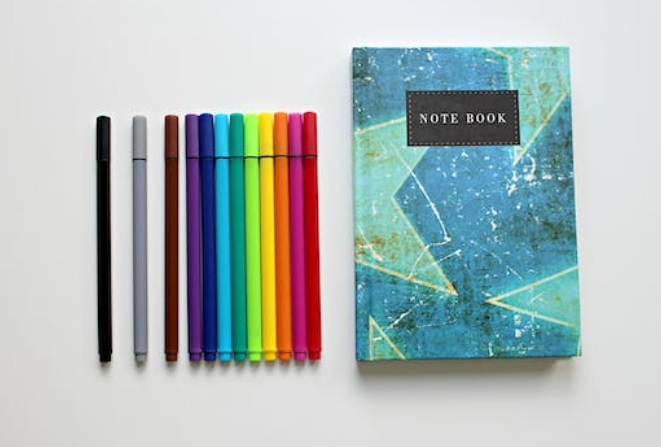 | Gallery Moderna partnered with a renowned local artist to create a line of custom merchandise, including scarves and notebooks, featuring the artist’s work. |
This collaboration not only celebrated the artist's contribution but also attracted a wider audience to the gallery, showcasing the power of artist-brand partnerships.
Looking Ahead: The Future of Custom Merchandise in Cultural Institutions
Innovation and Inclusivity
The future of custom merchandise in museums and galleries lies in innovative designs, inclusive products that reflect diverse cultures and histories, and sustainable practices. As cultural institutions continue to embrace these trends, the impact of their merchandise will extend beyond their walls, offering global audiences a piece of cultural heritage.
Conclusion: Cultivating Cultural Engagement Through Custom Merchandise
In conclusion, the strategic use of custom merchandise in museums and galleries is a transformative approach that enhances the cultural experience for visitors. By offering art-inspired products, educational tools, and artist collaborations, these institutions extend their impact beyond the confines of their walls, creating lasting connections with their audiences.
Custom merchandise serves not only as a souvenir but as a medium for storytelling, education, and appreciation of the arts. It enables museums and galleries to reach a broader audience, making art and history more accessible and engaging. Additionally, these personalized items play a crucial role in generating revenue, supporting educational initiatives, and promoting the preservation of cultural heritage.
Looking ahead, the focus for museums and galleries will be on expanding their range of custom merchandise to include more sustainable, inclusive, and innovative products. This shift will not only reflect the evolving values and interests of their visitors but also contribute to a more environmentally conscious and culturally diverse society.
FAQ Section
1. Why is custom merchandise important for museums and galleries?
Custom merchandise extends the cultural experience beyond the visit, providing a tangible connection to the art and history showcased.
2. How can educational products enhance the museum experience?
Educational products offer an interactive and enjoyable way to learn about exhibitions, making art and history more accessible, especially to younger audiences.
3. What role do artist collaborations play in custom merchandise?
Artist collaborations bring uniqueness to merchandise, bridge the gap between art and audiences, and support the arts community.
4. How can museums use custom merchandise for member engagement?
Custom merchandise for members, such as exclusive items or personalized products, rewards loyalty and encourages repeat visits.
5. What trends are emerging in museum and gallery merchandise?
Emerging trends include innovative and inclusive designs, collaborations with diverse artists, and a focus on sustainability and eco-friendly products.


