The Role of Promotional Products in the Service Industry: Boosting Brand Recognition and Customer Loyalty
Did you know that 76.1% of consumers remember a brand because of the corporate swag they got last year? This fact shows how powerful personalized promotional products can be in making a mark1.
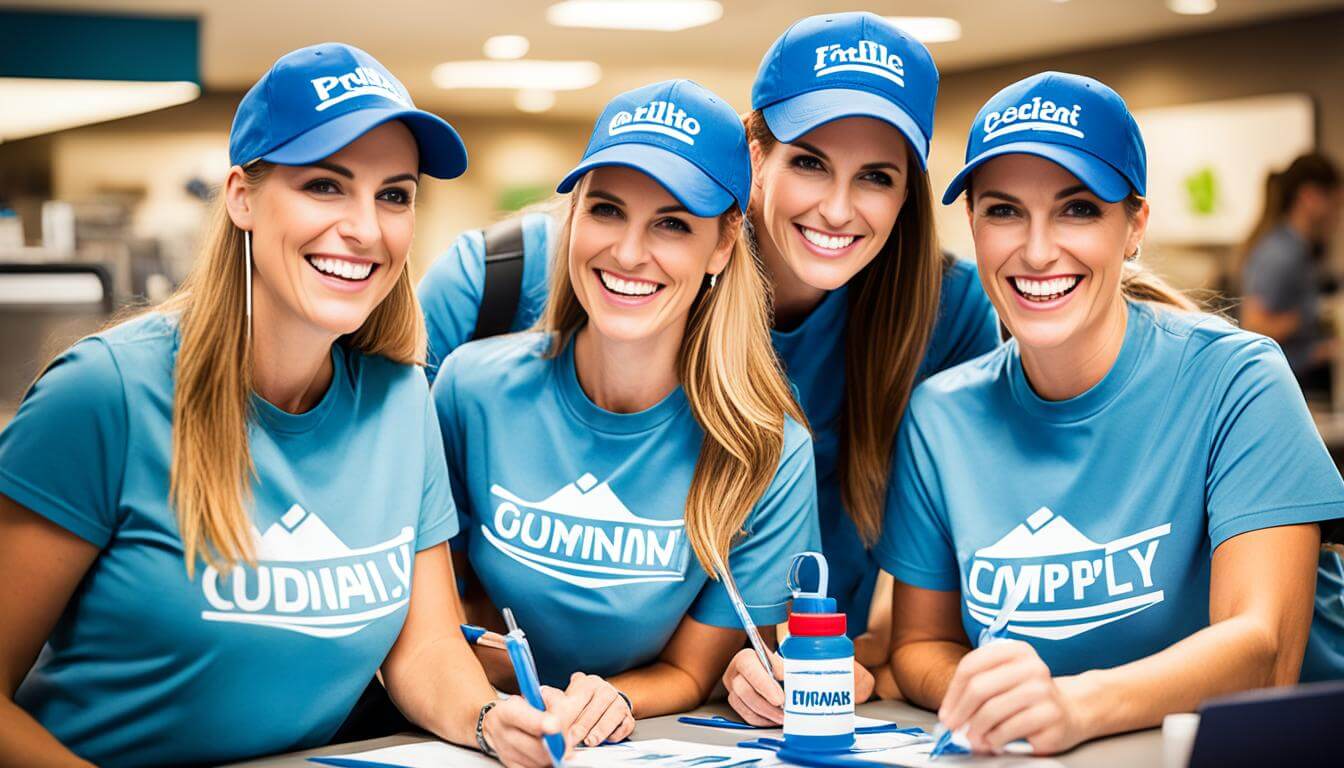
Picture this: You enter a coffee shop and get a stylish, reusable cup with your top pick of coffee. This custom item not only makes you feel special but also keeps your mind on the shop. Giving out logo apparel or useful items can help keep customers loyal and remember your brand.
In the U.S., marketers spend about $17 billion a year on custom promotional items. This is almost three times what they spend on search marketing1. This big spend shows how effective promotional products are in the service industry. With 73% of people using their gifts at least once a week and 45.2% every day, these items keep your brand in sight1.
Promotional products are great at making a big impact. They might cost more upfront than other ads, but the long-term benefits are clear. Over 50% of people keep using promotional items weekly after just one touch with the brand's message1.
Promotional products are key in making brands more visible and keeping customers loyal. By using strategies like referral programs with swag rewards or sending personalized gifts, businesses can build stronger ties with customers. This helps to make their brand identity stronger1.
Key Takeaways
Promotional products significantly boost brand recall among consumers
US marketers heavily invest in customized promotional items
Branded merchandise ensures frequent and long-lasting brand exposure
Promotional products offer better cost-effectiveness compared to traditional advertising
Personalized items strengthen customer relationships and brand loyalty
Eco-friendly promotional products appeal to environmentally-conscious consumers2
Tech gadgets and health-related items are popular choices for promotional products2
Understanding Promotional Products in the Service Sector
Promotional products are key in the service industry. They act as a lasting reminder of a brand, making a strong impact on customers. In the United States, the industry makes over $23 billion a year, showing its big role in marketing3.
Definition and Examples of Promotional Items
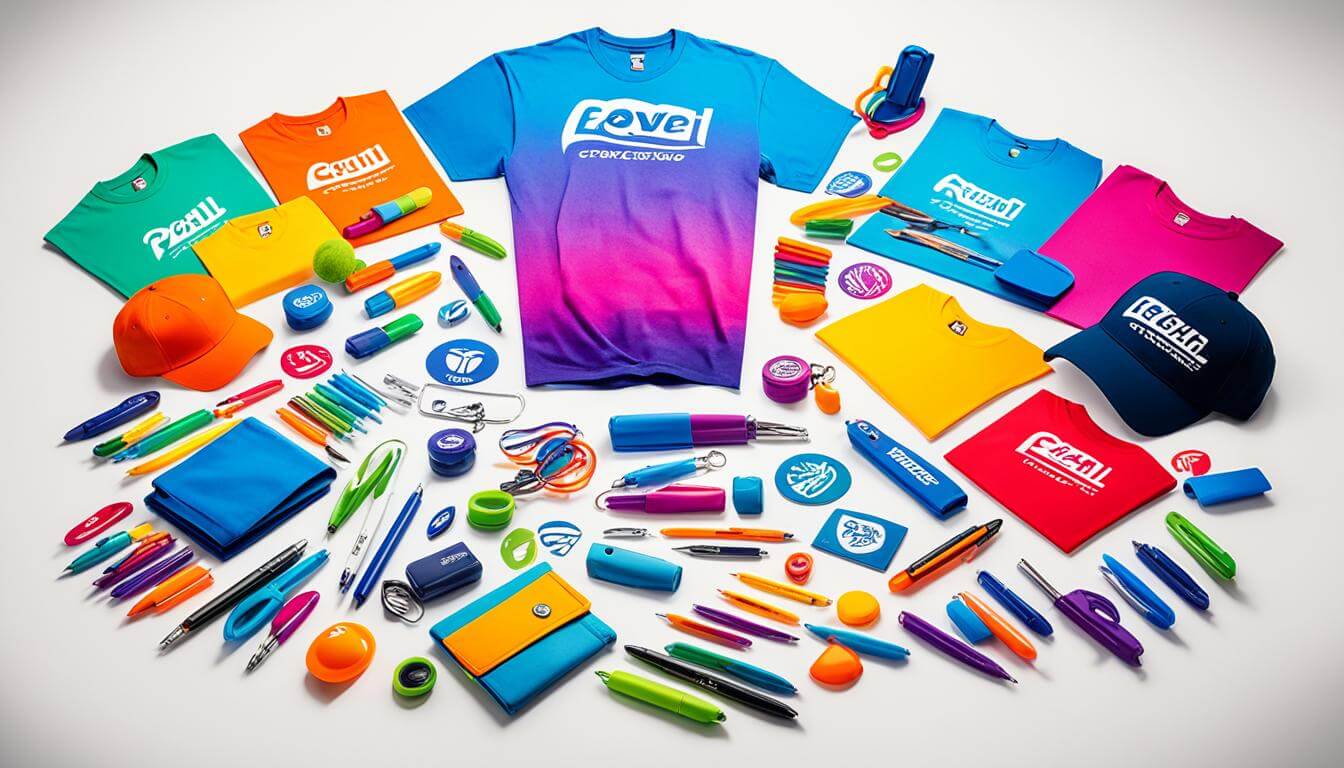
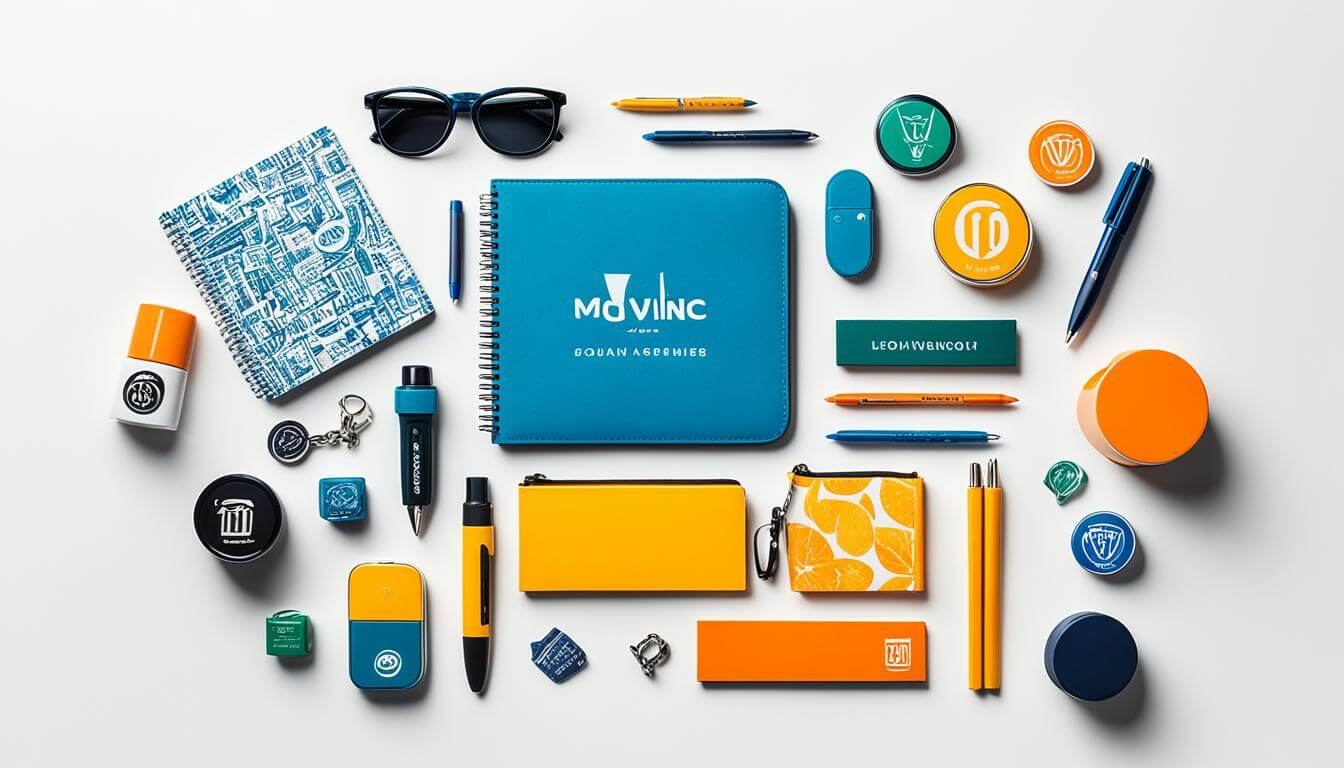
Promotional items, or marketing merchandise, are branded goods given to customers, employees, or prospects. They range from everyday items like pens and mugs to unique items like eco-friendly plant pots. Some top promotional products include:
Outerwear (jackets, rain slickers)
T-shirts and polo shirts
Headwear (hats, visors)
Bags (backpacks, tote bags)
Writing instruments
Drinkware
These items can make many brand impressions over time. For instance, outerwear can make about 6,100 impressions and t-shirts around 3,4003.
The Importance of Branding in Service-Based Businesses
Branding is crucial for service businesses to stand out. Promotional products help strengthen brand identity and connect with customers. 72% of consumers link a company's reputation to its promotional products3. This shows the value of choosing quality, relevant items that show your brand's values.
How Promotional Products Complement Other Marketing Strategies
Promotional products work well with other marketing to boost brand recognition and loyalty. They offer a unique edge over traditional ads:
Aspect
Promotional Products
Traditional Advertising
Tangibility
Physical items customers can use
Intangible messages
Longevity
Lasting impressions over time
Short-term exposure
Customer Engagement
Active interaction with the brand
Passive consumption of information
Cost-Effectiveness
Long-term value and repeated impressions
Higher cost per impression
Promotional products show their power in how consumers act. Almost all consumers want a promotional product, and about 80% act on it right away, even if they don't know the brand3. This shows how promotional items can boost customer engagement and brand awareness in the service sector.
The Psychology Behind Promotional Products
Promotional products have been a key marketing tool for years in the service industry4. They use powerful psychological ideas that change how people act and make them loyal to a brand.
The Principle of Reciprocity and Consumer Behavior
When companies give out custom company swag, they use the principle of reciprocity. This means that when people get something for free, they feel they should do something nice back. This often makes them act positively towards the brand45. Giving out promotional items makes people feel thankful, which makes them more likely to support the company or tell others about it.
Creating a Sense of Accomplishment and Loyalty
Branded promotional items remind people of a brand, making them remember it better and possibly buy more5. By always showing people the brand through these items, companies make them more familiar and loyal. People see the value in these products and think more highly of the brand because of it4.
Emotional Connections Through Tangible Items
Promotional products touch on many senses, making the brand feel more real and memorable4. This creates a stronger emotional bond with the brand. When people feel a strong connection, they're more likely to support the brand and talk well about it5. The design and how well these items work is key to how well they do their job.
Psychological Factor
Impact on Consumer Behavior
Reciprocity
Triggers sense of obligation and positive response
Brand Recall
Increases brand recognition and influences purchasing decisions
Emotional Engagement
Fosters brand advocacy and positive word-of-mouth
Multisensory Experience
Enhances brand memory and creates deeper connections
Personalized Promotional Products: Tailoring to Your Audience
Personalized promotional products are a big win for marketing. They make your brand stand out by 40% and make a strong impression on 85% of people6. By making logo-printed merchandise for your audience, you're not just giving out free stuff. You're creating people who will spread the word about your brand.
Personalization works. Companies that use these items see a 25% jump in customer loyalty6. It's not just about putting a logo on a mug. It's about knowing what your audience likes and making things they'll use and cherish.
Statistic
Percentage
Consumers find personalized products appealing
90%
Increase in response rates with personalized names
15%
Boost in customer engagement through brand storytelling
20%
These numbers show how powerful personalization is in promotional products6. But it's not just about the numbers. It's about making a connection. When I give out a personalized item, I'm telling my customers, "I care about you."
Remember, 83% of people in the U.S. like getting promotional products with ads7. And 85% of those people have bought something from an advertiser because of a promotional item7. By making these items personal, we make their impact even bigger.
Making your promotional products fit your audience isn't just smart. It's key to standing out in a crowded market. It leads to better brand recognition, more loyal customers, and more success for your business.
Cost-Effectiveness of Promotional Items in Service Marketing
Promotional products are a great and affordable way for service businesses to market themselves. They offer a lot of value, especially when compared to old-school ads.
ROI Comparison with Traditional Advertising
Promotional products have a high return on investment. Studies show they match the ROI of print and TV ads, beating radio and outdoor ads8. This makes items like custom chef coats and custom paper coasters a wise pick for businesses wanting to stretch their marketing dollars.
Long-term Value and Repeated Impressions
Promotional items stick around for a long time. Half of people keep the items for over five years, and 70% for more than a year9. This means your brand gets seen again and again. 76% of people remember the brand on a promotional item they got9.
Budget Considerations for Small to Medium-sized Businesses
For small service businesses, promotional products are an easy way to get the word out. American companies spend $20 billion a year on them, seeing their worth9. With 94% of people liking getting these items and 85.4% preferring them over emails, it's easy to see why they're a budget-friendly option9.
By picking the right promotional items, like custom chef coats for restaurants or custom paper coasters for cafes, businesses can make a big impact. Over 95% of people think branded merchandise helps make a company more known, making it a smart move for businesses big or small8.
Selecting the Right Promotional Products for Your Service Business from Decentcustom.com
Finding the right promotional items for your service business can make a difference. It's all about picking items that speak to your audience and match your brand. This way, you make a strong connection with your customers.
Custom reusable cups are a great choice for reaching a wide audience. They're useful, good for the planet, and keep your brand in sight every day. Clear bags wholesale are also a smart pick, especially for services tied to retail or events.
Usefulness: Items like branded pens or office supplies are always appreciated
Relevance: Tailor your choices to your audience's interests
Design: Showcase your logo and brand colors prominently
Timing: Order 1-2 months in advance for quality checks
At Decentcustom.com, I've seen businesses grow their brand with well-thought-out promotional items. The aim is to leave a lasting impression, keeping your service in customers' minds.
"The right promotional product can turn a one-time customer into a loyal brand advocate."
Choosing items that add value to your customers' lives does more than promote your business. It builds lasting relationships.
Integrating Promotional Products into Your Service Industry Marketing Strategy
Using promotional items can help your brand stand out and keep customers coming back. I'll show you how to pick products that match your brand, when to give them out, and how to see if they work.
Aligning Promotional Items with Your Brand Identity
Make sure the promotional products you choose show off your brand's values and look. For example, if your company cares about the environment, go for eco-friendly items like reusable water bottles or organic cotton bags. For businesses that work outside, personalized sun visors are great because they're useful and show off your brand.
Timing and Occasions for Distributing Promotional Products
When you give out promotional items, pick the right time to make a big impact. Think about giving them out at:
Trade shows and industry events
Holiday seasons
Customer appreciation days
New product launches
Company milestones
Match your promotional items with the season. For summer, consider custom golf balls or wooden-framed sunglasses. In winter, branded travel mugs or premium pullovers are a good choice10.
Measuring the Success of Your Promotional Product Campaigns
To see if your promotional product strategy is working, keep an eye on these important numbers:
Metric
Measurement Method
Brand Recognition
Surveys, social media mentions
Customer Retention
Repeat purchase rates
Sales Increase
Compare sales before and after campaigns
Social Media Engagement
Likes, shares, comments on promotional posts
Custom promotional products boost brand awareness and build goodwill by connecting with people in ways online ads can't10. Think about using different types of items, like vinyl stickers for the outdoors or holographic ones for eye-catching appeal, to meet various marketing needs11.
Custom-branded merchandise is key in many service sectors. Companies spend a huge $23 billion a year on these items12. This shows how important they are across industries.
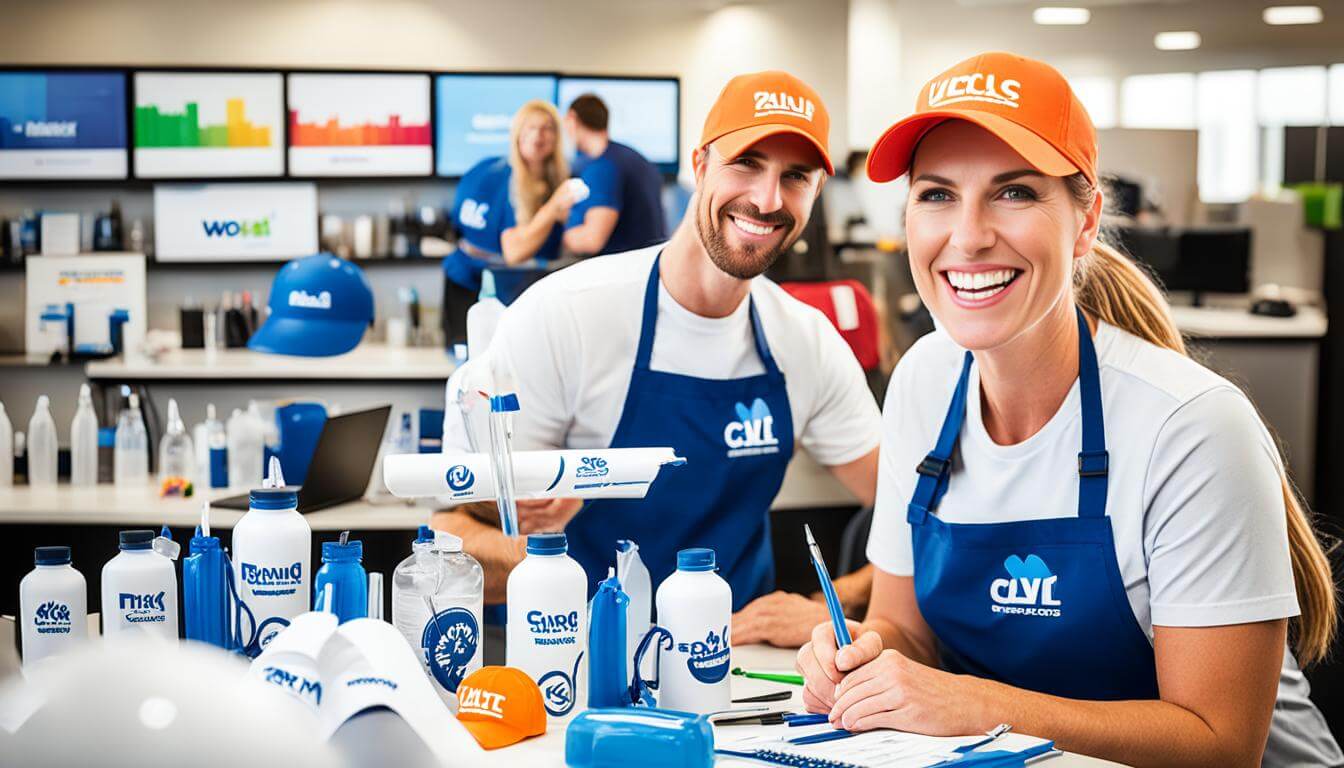
In the hospitality world, things like branded aprons for the kitchen or custom uniforms for the front desk help look unified. Restaurants use branded placemats or napkins to make their mark with every meal.
Retail stores get a lot from custom shopping bags, making customers walk ads. Salons give out branded hair care products or stylish tote bags to spread their brand further.
For professionals like lawyers or accountants, items like calendars, pens, or notebooks work well. These keep the company's info handy for clients, helping to keep relationships strong.
Service Sector
Popular Promotional Items
Brand Impact
Hospitality
Branded aprons, custom uniforms
Cohesive staff appearance
Restaurants
Branded placemats, napkins
Reinforced dining experience
Retail
Custom shopping bags
Mobile advertising
Salons
Branded hair care products, tote bags
Extended brand presence
Professional Services
Calendars, pens, notebooks
Constant client reminders
These promotional items work well, costing as little as 3 cents per impression12. This makes them a smart marketing choice for any business size, from small shops to big companies.
Companies like Positive Promotions offer many promotional products for different sectors. They aim to boost brand awareness and loyalty13. With over 100,000 products, finding the right items to represent your brand is easy14.
Leveraging Promotional Products for Customer Retention
In today's business world, keeping customers loyal is crucial. Promotional products are key in this effort. Using imprinted swag can boost customer retention and build strong relationships.
Using promotional items as loyalty rewards
It's smart to reward loyal customers with promotional items. It's not just about giving free stuff. It's about showing you care and keeping your brand in their minds. Studies show that 83% of Americans enjoy getting promotional products15. This makes them more loyal to your brand.
Creating a memorable customer experience
Promotional products can make the customer experience better. Offering unique, quality items makes your brand stick in their minds. Using promotional products can make customers remember your brand up to 72% more15. This leads to more repeat business and word-of-mouth.
Building long-term relationships through thoughtful gifting
Thoughtful gifting of promotional items can build strong customer relationships. It's not just the gift, but the message it sends. Giving a useful, quality item shows you value their business. This can lead to more loyalty and higher profits. A 5% increase in loyalty can mean a 25-100% profit increase per customer16.
"Promotional products increase brand recognition, customer loyalty, and sales in the service industry."
To make the most of your promotional products, try these strategies:
Offer personalized items for a memorable experience
Use promotional products as incentives to boost sales
Partner with influencers or local businesses for more visibility
Track key metrics to see what works best
By using these strategies and promotional items, you can create a strong customer retention program. Remember, keeping customers is cheaper than getting new ones. This makes customer retention key for success16.
As a marketer, I've seen a big shift towards eco-friendly marketing items. More and more, people want to support brands that care for the planet. 66% of shoppers are ready to pay extra for products that are good for the environment. Millennials lead this trend at 73%17.
Custom company swag is changing to meet these needs. Reusable drinkware is very popular, with 88% of U.S. consumers owning some18. I've found great success with bamboo utensils and recycled notebooks too.
Going green is paying off for many companies. Nearly half of Fortune 500 companies see big benefits from reducing emissions and using clean energy17. This matches the 88% of U.S. and UK consumers who want companies to help them live more sustainably18.
Here's a list of popular eco-friendly promotional items:
Reusable straws and mugs
Non-woven shopping bags
Eco-friendly notebooks
Bamboo kitchen sets
Woven paper lunch bags
These items do more than just promote your brand. They show you care about the planet. This approach wins over eco-conscious consumers and boosts your brand's image.
Eco-Friendly Item
Benefits
Consumer Appeal
Reusable Drinkware
Reduces plastic waste
88% ownership rate
Bamboo Utensils
Biodegradable material
Trendy corporate gift
Recycled Notebooks
Made from sustainable materials
Practical daily use
The future of sustainable merchandising looks bright. We're seeing more use of recycled, biodegradable, and compostable materials like bamboo and organic cotton17. As brands, we must make eco-friendly choices easy for consumers, not hard18.
Case Studies: Successful Promotional Product Campaigns in the Service Industry
Promotional products are a big hit for service businesses. Let's look at some success stories from different sectors.
Hospitality Sector Triumphs
A top hotel chain got more bookings after giving out branded travel kits. These items made guests happy and helped them remember the brand. 89% of people remember the ads on promotional items they got in the last two years19.
Professional Services Promotional Wins
Law firms did well with branded items like custom legal pads and USB drives. These useful gifts got more clients. People who got promotional items were three times more likely to reach out to the advertiser than with other ads19.
Retail Service Promotional Product Victories
Retail stores did great with branded shopping bags. These bags get used again and again, keeping the brand in sight. After getting a promotional item, people were 20.9% more likely to buy something compared to seeing regular ads19.
Sector
Promotional Item
Result
Hospitality
Branded Travel Kits
Increased Bookings
Professional Services
Custom Legal Pads, USB Drives
More Client Referrals
Retail
Branded Shopping Bags
Ongoing Brand Exposure
These stories show how well branded promotional items work in different service industries. By picking the right products, companies can boost their brand and keep customers coming back.
Promoting the Brand at the Paralympics with Customized Promotional Products
The Paralympics are a great chance for brands to show their values to people all over the world. With 160 countries watching, it's a way to connect with athletes and fans20. Using logo-printed merchandise can make a big impact at this big event.
Custom chef coats for those working at the Paralympics can be great for promoting your brand. They're useful and make your brand more visible. For athletes, things like branded water bottles or towels are useful and keep your logo in sight.
The Paris 2024 Olympics and Paralympics will change how brands connect with people. Alibaba's AI tech will improve the viewing experience, and Nike's big investment shows how important Olympic marketing is21. This is a perfect time for promotional products to make a big difference.
Successful campaigns match the event's spirit. For example, LVMH's "The Rooftops" campaign for Paris 2024 celebrates craftsmanship, showing support for sports and global events21. Products that reflect the Paralympic values of determination and excellence can help build a strong brand connection.
"Promotional products at the Paralympics not only boost brand visibility but also demonstrate a commitment to inclusivity and diversity."
Here are some tips to make a big impact:
Use eco-friendly items to match sustainability goals
Make special Paralympic-themed products to make them more wanted
Work with Paralympic athletes to design unique items
By carefully adding promotional products to Paralympic marketing, brands can build strong connections with people all over the world. This supports the spirit of the Games.
Promotional Item
Target Audience
Benefit
Branded Water Bottles
Athletes & Spectators
Hydration & Visibility
Custom Chef Coats
Catering Staff
Professional Appearance & Brand Exposure
Paralympic-Themed Pins
Collectors & Fans
Memorabilia & Brand Association
The Future of Promotional Products in the Digital Age
Promotional products are changing in the digital era. Now, they focus more on tech-savvy items that are both useful and show off a brand. Custom paper coasters and reusable cups are still in, but now they're joined by new gadgets.
The service industry has seen a big jump in brand visibility thanks to tech items. 85% of customers like tech gifts for everyday use22. This shows how important practical tech items are becoming in our digital lives.
Now, being eco-friendly is a big deal in choosing promotional products. There's been a 40% increase in demand for green options among service sector consumers22. This change shows how customers are pushing for more sustainable choices, affecting what businesses pick for promotions.
Customizing products is making a big impact. By making items that match what their audience likes, companies are getting more customer attention23. For example, branded computer accessories have made work 25% more productive in the service sector22.
Adding tech to promotional items is key to staying ahead. Wireless chargers have made customers 30% happier with service businesses, and Bluetooth speakers and headphones are boosting brand recall by 20%22.
I predict we'll see more interactive promotional products in the future. Things like augmented reality and games will make a big difference in how customers interact with brands23. The future of promotional items is looking bright, full of innovation, and closely tied to technology.
Overcoming Challenges in Promotional Product Marketing
Promotional product marketing can be tricky. Businesses often pick items that don't appeal to their audience or don't keep a consistent brand. Let's look at how to get past these obstacles.
Avoiding Common Pitfalls in Product Selection
Choosing the right promotional items is key. I've learned that market research through surveys and focus groups is very helpful. For example, clear bags wholesale are great for those who care about the environment. On the other hand, personalized sun visors might be a hit with people who love the outdoors.
It's vital to match promotional products with your brand and audience. Research shows that 96% of commercial directors find it hard to run successful promotions24. To beat this, I suggest using different marketing channels and testing A/B to improve your approach25.
Ensuring Quality and Consistency in Branded Items
Quality is a must in promotional products. Poor items can harm your brand's image. I always tell businesses to check out suppliers and ask for samples before ordering a lot.
Keeping branding consistent across all items is crucial. This means sticking to your color scheme, logo placement, and design look. Doing this strengthens your brand and sends a clear message.
Navigating Legal and Ethical Considerations
Legal issues in promotional marketing can be expensive. I make sure to follow copyright laws, safety rules, and international shipping guidelines. It's important to choose ethical sources and production methods to match consumer values and avoid negative reactions.
By tackling these challenges, businesses can make promotional campaigns that work well. Remember, promotions can boost sales and store visits by 10-50% each year24. So, it's worth putting in the work to get it right.
Conclusion
In our look at promotional products for the service industry, we've seen their lasting value in marketing today. These items create a real bond between brands and customers that digital marketing can't. American companies spend about $20 billion a year on these tools26.
Custom-branded merchandise has a big impact. A huge 89% of people remember the brand from a promotional item they got in the last two years. And 57% recall advertisers from items like personalized coffee mugs26. This shows how personalized items boost brand awareness and loyalty.
Promotional products act like modern business cards, often outperforming traditional ads26. They're not just affordable; they offer a strong return on investment and help keep customers coming back27. By choosing items that last and add value, businesses can make a big impact and leave a lasting impression.
Looking ahead, I think promotional products will keep evolving. They'll meet new consumer needs and concerns about the environment, staying key for businesses to stand out. By smartly using personalized promotional items, companies can build strong connections and achieve lasting success.
FAQ
What are promotional products?
Promotional products are free items with a company's name, logo, and message. They include pens, t-shirts, calendars, magnets, and more. These items help spread the brand's message.
Why are promotional products effective?
Promotional products work because they make people feel appreciated. They make people want to buy more and talk about the company. They also help people remember the brand.
How should I select promotional products for my service business?
Think about who you're giving the products to. Choose items they'll find useful and like. Make sure your brand's logo and colors stand out.
How can I integrate promotional products into my marketing strategy?
Match promotional products with your brand and give them out at the right times. This could be during holidays or at events. Keep track of how well they work by looking at brand recognition and sales.
What are some examples of promotional products for different service sectors?
For bakeries, consider holiday aprons or oven mitts. Restaurants might use branded placemats or napkins. Retail stores could give out custom shopping bags or gift wraps. Salons might offer branded bath products or gift baskets.
How can promotional products enhance customer retention?
Use a rewards program to give customers branded items on their anniversary. This shows you care and can make them more loyal to your business.
What are some eco-friendly promotional product options?
Choose reusable shopping bags, bamboo utensils, or recycled notebooks. These items help promote your brand and show you care about the environment.
How can promotional products be used to promote a brand at the Paralympics?
Give out branded water bottles, towels, or clothing. These items are useful and can make a big impact. They link your brand with the Paralympics' spirit of determination and excellence.
What challenges might businesses face with promotional product marketing?
Challenges include picking items that appeal to your audience and maintaining consistent branding. Quality control is also key. Make sure all promotional items fit your brand well.