Did you know that 6 out of 10 people keep promotional products for up to two years? This fact shows how long these items can keep your brand in sight1. It's a key reason why using promotional products in stores is so valuable. But there's more to it.
Imagine you were shopping at a small boutique and got a reusable bag as a gift. You used it a lot, and it started conversations with your friends. This simple item helped spread the boutique's name far and wide. It showed how small items can make a big impact.
Promotional items, like custom products and giveaways, keep your brand in mind long after a purchase. They turn customers into brand fans, boosting recognition and loyalty. When people keep and use these items, your brand gets more exposure and impressions. This greatly increases your marketing reach.
Key Takeaways
6 out of 10 people keep promotional products for up to two years1.
Promotional items foster customer loyalty and brand recognition.
These products can lead to repeat business and word-of-mouth marketing.
The retail sector benefits from the prolonged exposure of branded giveaways.
Custom promotional products can turn customers into brand advocates.
Introduction to Promotional Products in Retail
In today's competitive retail world, promotional products are key. They are free items that grab potential customers' attention and make people talk about a brand. These items, from pens to eco-friendly bags, show off a company's style and care for customers.
Using promotional products helps spark action, make brands more memorable, and sometimes even beat other ads in getting noticed. They last a long time, keeping a brand in sight.
What Are Promotional Products?
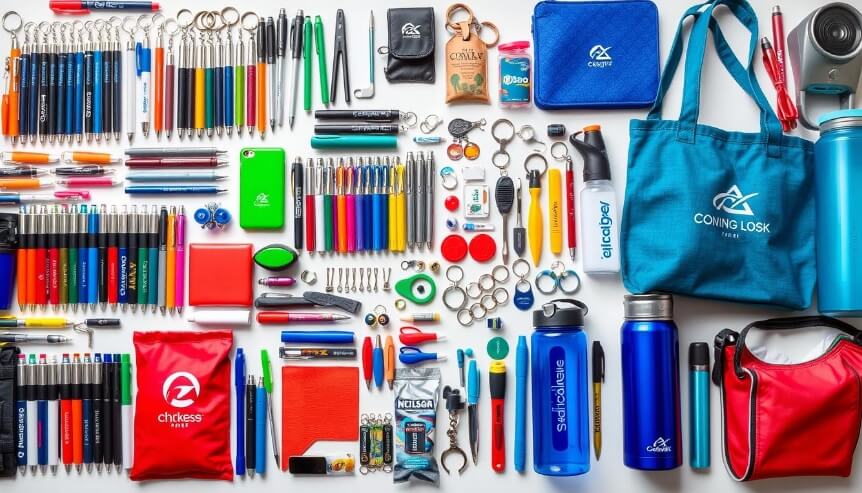
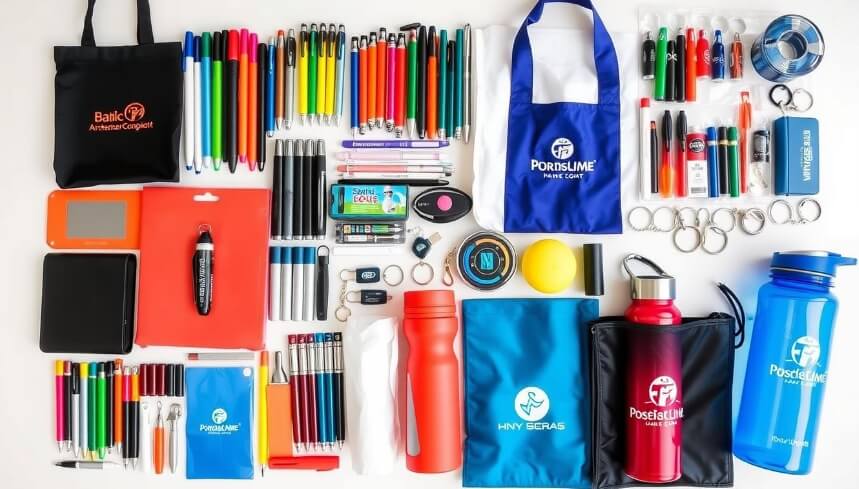
Promotional products, or advertising specialties, are items with a company's logo or message. You might find them in everyday items like pens, t-shirts, or reusable bags. They help connect with customers in a real way and are often given out at events or as part of a marketing plan.
Why Use Promotional Products?
Promotional merchandise boosts brand visibility. For example, jackets and windbreakers can get a brand noticed up to 6,100 times2. These items often stay with people for about seven months, keeping the brand in sight for longer3.
People tend to think more positively about brands when they have something tangible from them. Studies show that people are 2.5 times more likely to have a good view of a brand through these items than through ads3. About 72% of consumers link a company's good name to the quality of its promotional items2, making them key in marketing.
Using promotional products is also a smart way to spend marketing money. Companies usually spend 5% to 10% of their revenue on marketing, but promotional items can bring a big return because they make a lasting impression and keep customers coming back3. Promotional products are a powerful tool for making a brand known, building customer loyalty, and standing out in a crowded market.
Product Type
Estimated Lifetime Impressions
Outerwear
6,100
T-shirts
3,400
Headwear
3,400
Bags
3,300
Writing Instruments
3,000
Retailers looking to stay ahead should think about using promotional merchandise. It helps with brand exposure, and customer views, and has clear benefits.
Increased Brand Recognition
Using promotional gifts is key to making your brand more known. These gifts keep your brand in front of customers, making them remember you more often. Studies show that 76% of people remember a brand from a promotional item4.
In the U.S., 83% of people like getting promotional items with ads5. This shows how much people enjoy and interact with these items. Also, 85% of people have bought something from an advertiser because of a promotional item5.
American businesses spend $20 billion a year on promotional products4. This shows how important these items are in marketing. Using items like shopping bags wholesale can help your brand get noticed by more people.
These products also make a lasting impression. Half of the people in a study kept company items for over five years4. And 70% kept them for over a year. This means your brand stays in their minds, leading to more repeat business and loyalty.
Customized promotional gifts bring even more benefits. They make customers more likely to come back and support your brand5. This approach boosts brand recognition and builds a loyal customer base, key for long-term growth.
Cost-Effective Marketing Strategy
Promotional products are a smart choice for advertising. They keep your brand in sight and save money. This is better than digital marketing in many ways.
Comparing Costs with Digital Marketing
Digital ads cost about $3 to $10 per impression. But promotional products are much cheaper, sometimes just 1/10 of a cent6. These items stay in customers' homes for over eight months, making them a great value7.
Value for Money
Promotional products give a better return on investment than traditional ads. Buying in bulk saves money because of discounts6. Giving them out at events boosts customer interaction and loyalty, all without the ongoing costs of digital ads6.
These items like pens, mugs, and tote bags keep promoting your brand for months without extra cost7. You can also use them to keep customers coming back or to spread the word about your business6. Working with other companies to share costs can also help save money and reach more people6.
Overall, promotional products are a great way to advertise without breaking the bank. They make a lasting impression and help build a positive brand image7.
Marketing Channel
Cost-per-impression (CPI)
Longevity
Additional Benefits
Digital Advertising
$3 - $10
Short-term
Instant metrics
Promotional Products
1/10 of a cent
8+ months
Customer loyalty, retention
Enhancing Customer Loyalty and Retention
Making customers loyal is key for any business wanting to last long. Using promotional giveaways taps into the idea of reciprocity. This means customers feel they should buy more from a company that gives them something for free. For example, about 75% of people are more likely to buy from a company that gives out free stuff than one that doesn't8.
In today's competitive world, companies use many ways to keep customers coming back. Giving out promotional products is one of them. Around 83% of customers feel closer to brands that give them free stuff. This makes them more likely to stay with that brand8. It also keeps the brand in their minds as a valuable choice.
Having loyal customers means you don't have to spend as much to get new ones9. A good retention strategy, like using promotional giveaways, can help a brand stand out and make more money. For example, giving out personalized items like mugs and t-shirts can get customers excited and loyal8.
Also, doing things like sending surprise gifts or thank-you notes with free items makes customers feel special. This builds a strong bond with the brand and makes them more likely to come back8. Using automated systems to keep in touch also helps by making things more personal and efficient9.
Retention Strategy
Impact on Customer Loyalty
Promotional Giveaways
Boosts purchase likelihood by 75%, strengthens brand connection by 83%
Personalized Gifts
Creates lasting impressions and encourages repeat business
Loyalty Programs
Increases customer lifetime value and reduces competitor purchases
Automated Retention Systems
Enhances loyalty efforts and improves overall performance
Creating a Memorable Shopping Experience
Making shopping memorable is key to keeping customers happy and coming back. Using things like promotional shopping bags and custom stickers can make a simple trip to the store special. This makes the shopping experience unique and memorable for customers.
Using mobile apps or in-store beacons for personalized deals can make customers more engaged and loyal10. Training staff to connect with customers right away also helps build trust and meet their needs, making their visit better10.
Offering custom products and letting customers try them out can make them happier and more loyal, which means more sales10. Starting a digital rewards program can also get customers to visit more often and spend more each time10. These steps are important because a bad experience can make 89% of customers switch to a different store11. But, a good experience can keep 88% of shoppers coming back11.
Hosting in-store events like workshops or demos can make a store unique and build a loyal customer base10. Creating a full sensory experience can make customers more engaged, leading to more spending and a stronger connection to the brand10. This is crucial because companies that focus on making customers happy see an 80% increase in revenue11 and 87% of customers stay loyal to brands that make them feel special11.
Using promotional shopping bags and custom stickers helps make the brand more visible and turns customers into brand ambassadors. Every time they use these items, they remember their special shopping experience. This way, retailers make sure their products keep reminding customers of the unique and memorable shopping experience they had.
Standing Out from Competitors
In today's crowded retail market, being different is key to surviving and growing. Using unique promotional ideas and staying on top of trends can help retailers stand out. This approach gives them a competitive edge through innovative branding.
Unique Promotional Ideas
Coming up with special promotional ideas can boost a brand's image. Going beyond the usual business cards, by using items like phone holder lanyards, grabs attention. It shows a brand cares about connecting with customers. Trends like eco-friendly products or tech gadgets appeal to young shoppers, who value social responsibility12.
Also, over 80 percent of shoppers prefer to support brands that offer personalized experiences13. Plus, 91% of people are more likely to interact with brands that share content that's relevant and tailored to them14.
Using Trends to Your Advantage
Keeping up with and using trends in promotions is vital for staying relevant. For example, the rise in online-only retailers shows the need for a strong online presence12. Using social media is also key, as 79% of consumers want to interact with brands that personalize their online experience14.
Also, showing the community you care and being socially responsible can make your brand more appealing and loyal customers13.
By using these strategies, brands can lead in promotional merchandise trends and gain a competitive edge. This ensures ongoing growth and keeps customers coming back. It's also crucial to regularly introduce new products or features to stay competitive12.
Generating Leads and Sales
Promotional products are key in getting leads and turning them into sales. They give people something to hold onto, making a lasting connection. This helps with sales growth and getting new leads.
Boosting Sales with Giveaways
Giveaways are a great way to get your business noticed and engaged. For instance, a local security company got 400 leads and 10 sales from a public service day event15. This shows how giveaways can draw in customers and boost sales.
Using social media like Facebook, Instagram, Twitter, and LinkedIn is also smart for reaching out to potential customers16. These platforms help spread the word about your giveaways and reach more people.
Meeting people at networking events and following up with them can also work well. Doing this within a week and connecting on LinkedIn has helped generate new leads17. This shows how personal touches after giveaways can help in getting more leads.
Long-lasting Impressions
Items like large window decals make a big impact on potential customers. They look good and keep the brand in sight of people walking by. This helps keep getting new leads.
Having a good relationship with customers means they're more likely to buy again. This makes selling to them cheaper than finding new customers15. Using the right promotional products helps keep customers coming back.
Using social media, especially LinkedIn, can also bring in high-quality leads17. Companies that talk to customers on different channels do better and get more engagement15. This way, you make a strong connection with customers, keeping them loyal over time.
Combining promotional sales strategies with nurturing leads keeps unsure customers interested in your brand. This leads to more sales. Using promotional products is key to long-term business success.
Ways to Distribute Promotional Products
Using promotional distribution strategies can boost your marketing. Trade shows are a great way to get your products into the hands of people who care. They let you connect with potential customers and partners in a big way18. Giving out promotional items at corporate events and social media contests also works well. On social media, contests on Instagram can get a lot of attention, with 64 times more comments and 3.5 times more likes than regular posts1819. Having brand ambassadors can spread the word about your products even more. They make sure your items reach the right people. Using personalized items can also help, making it more likely that customers will engage with your brand18. Plus, loyalty programs can encourage customers to buy more, fitting right into your promotional plans18. Being creative with how you distribute your products is key to standing out. For instance, sending mail to different groups of customers and using your team and clients to spread the word can work wonders. Giving out items at events or with new product launches can also draw in more people, making your brand more visible18. For more tips on how to distribute promotional products well, check out this useful guide. It shares strategies that have been successful for many companies18. By using these different ways to share your promotional items, you can make your brand more known. Planning how you share your materials can help you build stronger relationships with customers, increase loyalty, and boost sales.
Popular Categories for Promotional Items from Decentcustom.com
Decentcustom.com offers a wide range of promotional items for different marketing strategies. These items meet various business needs and fit different brand styles. Custom apparel, drinkware, and bags and totes are top choices. They are both useful and eye-catching, helping brands reach more people.
Custom apparel includes t-shirts, hoodies, caps, and jackets. These are great for promoting brands and creating a unified look for teams. People like getting clothing items as gifts, making them a lasting way to spread the word.
Drinkware, like custom mugs, bottles, and cups, is very popular. These items are used every day, keeping your brand in mind. Giving out drinkware can boost brand awareness and make people remember you, making it a smart choice for giveaways.
Bags and totes are great for promoting your brand. They are useful and liked by people. With lots of space for logos and messages, they help brands get noticed more often.
Category
Examples
Benefits
Custom Apparel
T-shirts, Hoodies, Caps
Versatile, Long-lasting, High Visibility
Drinkware
Mugs, Bottles, Cups
Daily Use, High Recall, Practical
Bags and Totes
Tote Bags, Backpacks, Duffle Bags
Spacious, Convenient, Frequent Exposure
These categories from Decentcustom.com are key to promoting your brand well. Using personalized merchandise, custom items, and giveaways can make your brand more visible and engaging.
The Psychology Behind Freebies and Giveaways
Understanding how people think is key to great marketing. Freebies tap into deep psychological needs, like feeling the need to give back. This can make people more loyal to a brand.
Freebies make brands more memorable. They work best at big moments, like when a new product comes out. This can make people excited about a brand and keep them coming back.
Giveaways get people talking and help brands stand out. 85% of people who got something free ended up buying from the company20. Sharing good experiences with others can make a brand known to more people21.
Now, 62% of businesses use giveaways to get noticed22. These items keep getting seen for a long time, helping people remember the brand22. Getting something for free makes people think better of a brand, which helps them come back.
These items stay around for over a year, keeping the brand in front of people22. This shows how important it is to think about what people like when giving out freebies.
Freebies can also help brands learn more about what customers want. This feedback can improve products and marketing. Plus, it gives brands important info for better marketing later21.
Giving away things like e-books or webinars can draw in new customers and show a brand is a leader in its field. It's important to make sure the freebies match what people like and fit their culture21.
This study looks at how people see value in free stuff and how it affects their choices. It shows the power of knowing what makes people choose free over paid options. The findings show how free items can make a brand more known, build loyalty, and get people involved, proving their big role in marketing22.
Customizing Merchandise to Match Your Brand
Customized retail merchandise is key to building a strong bond with your audience. Promotional products must reflect your brand's values and style. Let's look at some tips and strategies for choosing the right items to make a lasting impression.
Design Tips
When designing promotional products, it's vital to keep your brand consistent. Here are some tips to follow:
Consistency: Use the same colors and fonts across all your merchandise.
Simplicity: Keep designs clean and avoid too many elements.
Visibility: Make sure your brand name and logo are easy to read from afar.
Unique promotional products stick in people's minds. Studies show that 63% of people pass on items they no longer want, extending their reach23. These items also boost recall, with 88% remembering the advertiser23.
Choosing the Right Products
Picking the right promotional products boosts your brand's visibility and engages customers. Here are some strategies:
Relevance: Choose items that match your services or appeal to your customer's lifestyle.
Utility: Go for practical items that people will use often, like custom flash drives and drinkware.
Durability: Quality products last longer and keep promoting your brand.
Promotional products are a budget-friendly way to advertise, with companies spending over $23 billion a year24. They're cheap, costing as little as 3 cents per impression24. 82% of people have a better view of a brand after getting a promotional item23. By picking quality, relevant merchandise, businesses, and their customers both win.
To learn more about effective promotional items and their effects, check out this link.
Measuring the Impact of Promotional Products
Understanding how well promotional products work in marketing needs a deep look at their impact. This can be done by tracking key metrics. These metrics show how well promotional items do and how customers interact with them.
Looking at social media, we see how many likes, shares, comments, and mentions a campaign gets25. Checking website stats like unique visitors and time spent on the site shows how campaigns affect traffic25. Getting direct feedback from customers through surveys gives us a clear picture of what works well25.
To figure out the return on investment, use the formula: ROI = (Revenue Generated – Cost of Goods Sold) / Cost of Goods Sold * 100. This shows if the campaign made money and how well it did25. It's key to know about sales, customer happiness, and reaching goals to see if promotions work26.
Demographics also play a role in how ads hit home. For example, people in Missouri like certain items more than others27. The top items in the U.S. for promotions are things like outerwear and masks27.
It's also vital to see if promotions are cost-effective. If it costs more than $0.64 to get one extra dollar in sales, it's not worth it26. Promotions should aim to make the brand more recognizable and loyal to customers26.
Setting clear goals is important for tracking success. A detailed look at marketing efforts helps improve future plans26. For more info on how promotional products help in retail marketing, check here25.
Case Studies and Success Stories
Success stories in retail often show how businesses use promotional products to get big marketing wins. For example, 89% of people remember the advertiser on a promo product they got in the last two years28. This shows how well these items work at making brands stick in people's minds.
Also, businesses found that people bought more often after getting a promo item than after seeing ads on TV or online28.
Case studies reveal that good ones help grow sales and bring in new customers in retail29. A well-structured case study, with an intro, overview, problem, solution, results, and testimonials, builds trust and gets people engaged29. For example, the financial services industry used Plush Big Paw Bears to welcome new customers on May 4, 2023 and saw great results30.
Promotional products help many industries. On April 12, 2023, fanny packs became popular again with Millennials, Zennials, and Gen Alpha, showing how staying on trend can attract more customers and start conversations30. The automotive and healthcare/pharmaceutical sectors also used items like ID Lunch Bags and Rumba Pens to boost their marketing30.
Marketing data backs up the success of these strategies. For example, hotel chains used Everyday Sweet and Savory Gourmet Carry Caddies to thank employees on February 21, 202330. These examples show how personalized promo items can increase sales and make brands more recognizable. A case study from Pinnacle Promotions found that people with promo products were three times more likely to contact the advertiser than those with other ads28.
Promotional products work well across many sectors, from finance to retail. Companies in different markets saw more engagement and trust by using facts, statistics, and testimonials in their case studies29. This shows how promo products are key to retail marketing success.
Conclusion
Promotional products are a key part of a retail store's marketing plan. They boost brand visibility and help keep customers coming back. 85% of people buy from a brand again after getting a free item31. This shows how powerful these items can be in building strong customer ties.
Also, 89% of people still remember the brand two years later after getting a free item31. This proves that promotional products can create lasting brand awareness. For stores looking to stand out, using these items is a smart move.
Promotional products are also a budget-friendly way to market. They cost less than one cent per impression32. This is much cheaper than other ads. Plus, personalized items can spread your message up to 5,700 times over their life32. They're like moving ads that keep promoting your brand.
To make the most of promotional products, plan carefully. Make sure they match your marketing goals and focus on quality. Personalize them and choose items that stand out. Doing this can lead to better brand recall and customer loyalty. It also means a stronger return on your investment. For more tips on using promotional items, check out this guide here31.
FAQ
What are the benefits of using promotional products in retail stores?
Promotional items boost brand recognition and customer loyalty. They are also a cost-effective way to keep your brand in front of consumers for a long time.
What are promotional products?
Promotional merchandise includes items like branded giveaways and custom products. They help increase brand visibility and engage potential customers in stores.
Why use promotional products?
They act as physical ads that improve brand recall and customer engagement. This makes your marketing more effective in a competitive market.
How do promotional gifts increase brand recognition?
These items remind customers of your brand, leading to more exposure and a higher chance of future business. Examples include shopping bags and other everyday items.
How do promotional products compare with digital marketing in terms of cost?
Promotional products are cheaper than digital ads, costing as little as 1/10 of a cent per impression. They last longer and give your brand more exposure over time.
Do promotional items offer good value for money?
Yes, they provide long-lasting brand visibility through frequent use. This makes them a better value than digital campaigns with short-lived impressions.
How do promotional giveaways enhance customer loyalty and retention?
Branded giveaways make customers feel appreciated, encouraging them to come back. This strengthens loyalty and retention efforts.
How can retailers create a memorable shopping experience with promotional items?
Items like custom bags and stickers can make shopping unique. This enhances satisfaction and encourages customers to return.
How can promotional products help retailers stand out from competitors?
Unique promotional ideas and staying on-trend can make a brand stand out. It shows a commitment to innovation and engaging with customers.
How can giveaways boost sales?
Giveaways leave a lasting impression and create positive brand associations. This leads to more leads and higher sales.
What are effective ways to distribute promotional products?
Distribute through trade shows, events, social media contests, and brand ambassadors. This increases product reach and engagement with consumers.
What are the popular categories for promotional items from Decentcustom.com?
Popular categories include custom apparel, drinkware, bags, and totes. These items are practical and provide ongoing brand exposure.
What is the psychology behind freebies and giveaways?
Freebies and giveaways tap into consumer psychology, using principles like reciprocity and a sense of achievement. This builds positive brand relationships and loyalty.
How can I customize merchandise to match my brand?
Align your design with your brand's look and values. Use design tips like matching colors and choosing products that fit your audience.
How can I measure the impact of promotional products?
Use metrics like product lifespan, new leads, conversion rates, and social media interactions. This helps understand how effective your promotional efforts are.
Are there case studies and success stories showing the effectiveness of promotional products?
Yes, many businesses have seen more visibility, customer retention, and loyalty with strategic promotional products. These stories highlight the benefits and best practices.