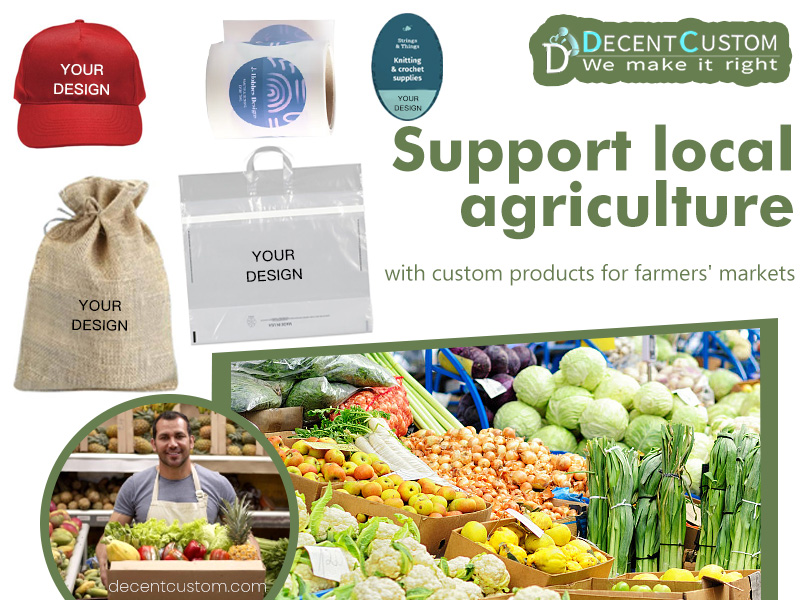
Support Local Agriculture with Custom Products for Farmer's Markets and Farm-to-Table Initiatives
Why Support Local Agriculture Matters
Local agriculture plays a crucial role in:
- Strengthening local economies
- Reducing carbon footprint
- Providing fresh, high-quality food
- Building resilient communities
Using custom promotional products, you can effectively endorse farmers' markets and farm-to-table initiatives, fostering local agriculture.
The Power of Custom Products
Custom promotional products can raise awareness about local agriculture and encourage people to support farmers' markets and farm-to-table initiatives. Here are some top promotional items:
Custom reusable tote bags promote eco-friendly shopping habits and advertise your brand or message.
Custom aprons with your logo or design promote local agriculture and protect clothes during cooking or gardening.
3. Branded Seed Packets
Branded seed packets inspire people to grow their own produce, spreading the word about local agriculture and gardening benefits.
4. Produce Storage Containers
Custom produce storage containers encourage buying fresh, local produce while minimizing food waste.
5. Recipe Books Featuring Local Ingredients
Offer custom recipe books with locally-sourced ingredients to promote farm-to-table initiatives and healthy eating.
Collaborating with Local Farmers and Vendors
Forge partnerships with local farmers and vendors to create custom promotional products that highlight their offerings and support the local agricultural community.
Organizing Farmer's Markets and Farm-to-Table Events
Host farmer's markets or farm-to-table events in your community to directly support local agriculture. Utilize custom promotional products as giveaways, prizes, or for sale to raise awareness and promote these initiatives.
Tips for Successful Events
- Location: Choose a central, accessible location.
- Advertising: Use social media, local publications, and signage for promotion.
- Entertainment: Include live music, cooking demos, or family-friendly activities.
- Promotional products: Offer custom promotional items to attendees as souvenirs or incentives.
Measuring the Impact of Your Support
Track the success of your promotional efforts through key performance indicators (KPIs) like:
- Number of event attendees
- Amount of local produce sold
- Community engagement levels
- Media coverage and social media mentions
Partnering with Local Restaurants and Chefs
Collaborate with local restaurants and chefs to create farm-to-table dining experiences that showcase regional produce. This partnership can lead to:
- Greater exposure to local agriculture
- Increased demand for fresh, locally-sourced ingredients
- New, innovative dishes featuring local flavors
Supporting Local Agriculture through Education and Outreach
Educate the public about the importance of local agriculture through:
- Gardening, cooking, and food preservation workshops
- School visits to local farms
- Community organization collaborations for outreach efforts
By raising awareness and promoting local agriculture benefits, you contribute to a sustainable and connected community.
Encouraging Local Businesses to Support Local Agriculture
Encourage local businesses to source from and collaborate with local farmers, creating a robust and sustainable local economy. This can:
- Boost demand for locally-grown products
- Promote a sense of community pride
- Foster relationships between farmers, businesses, and consumers
Utilizing Social Media to Spread Awareness
Leverage social media platforms to increase awareness and support for local agriculture, farmers' markets, and farm-to-table initiatives:
- Share engaging content featuring local farms and vendors
- Post about upcoming events and promotions
- Engage with followers and encourage user-generated content
In Conclusion
Supporting local agriculture with custom promotional products for farmers' markets and farm-to-table initiatives has a profound impact on your community, the environment, and the economy. By choosing the right promotional items, collaborating with local farmers, vendors, restaurants, and chefs, organizing events, and implementing educational initiatives, you can help create a thriving local agricultural scene.