Promoting Alcohol and Beverages with Custom Products: Boost Your Brand's Visibility
Did you know the global food and beverage market will hit $8,905.5 billion by 2026? This is a big chance for beverage companies to grow1.
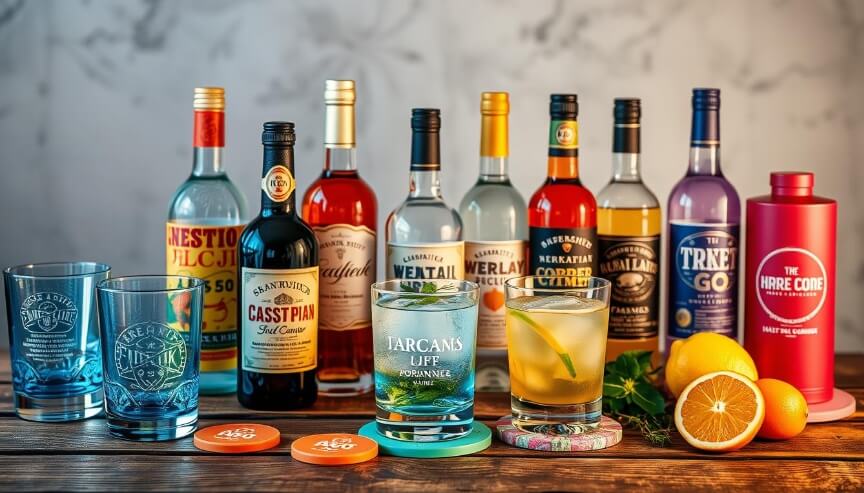
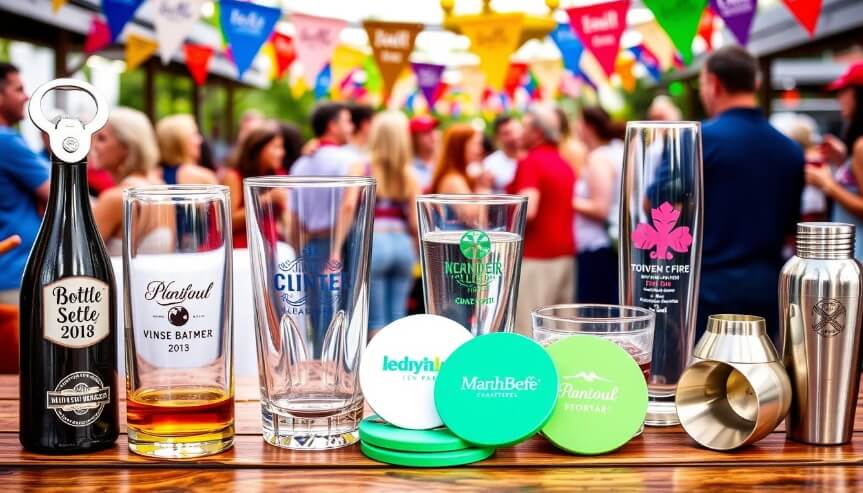
Imagine being at a craft brewery's launch party. The vibe is buzzing with excitement. Everyone has a custom-branded glass, making it more than just a drink holder. It sparks conversations, serves as a keepsake, and is a smart marketing move.
This shows how custom products can boost alcohol promotion. With the way people drink changing over the years, brands must find new ways to stand out1. Custom products are a great way to do this, making brands more visible and memorable.
The drink world is always changing. Coffee, a top drink globally, is now focusing on clean energy and health benefits after the pandemic1. At the same time, Carbonated Soft Drinks (CSD) are expected to grow by 4.7% by 2029, reaching nearly $335.03 billion1.
In this fast-changing market, custom and branded items are key for alcohol and beverage brands. They boost brand awareness and give consumers a special experience. From branded glasses to creative packaging, these products can greatly help a brand stand out.
Key Takeaways
The global food and beverage market is set for substantial growth
Custom products can help alcohol brands stand out in a changing market
Personalized items enhance brand visibility and consumer experience
Different beverage sectors are experiencing varied growth trends
Innovative marketing strategies are crucial in the evolving beverage landscape
Understanding the Alcoholic Beverage Market
The alcohol industry is changing fast, with new trends and challenges. As a liquor store owner, I've seen how these changes affect our business. It's crucial to adapt to stay ahead.
Current Trends in the Alcohol Industry
The spirits market is growing, beating beer in the U.S. in 20222. This shows how consumer tastes are shifting towards premium and craft spirits. Health-conscious drinkers are also looking for better options, making up 29% of the market2.
Non-alcoholic drinks are also on the rise. They're expected to grow by 25% from 2022 to 20262. New products like hard seltzers and kombucha are becoming more popular, with some brands seeing huge growth.
Challenges Faced by Liquor Store Owners
As a store owner, I face tough competition from both online and traditional stores. The market is full, making it hard to stand out. Younger people are drinking less than before, changing consumer habits3.
There's also a move towards premium products. In 2023, 54% of 18- to 34-year-olds preferred premium drinks, while only 35% of older people did3. This means I need to manage my inventory and set the right prices.
The Importance of Standing Out in a Crowded Market
To succeed, I need to make my store unique. Offering custom-made goods and personalized products has worked well. These items draw in customers and make shopping memorable.
Custom promotional products have been great for getting my brand noticed. Working with local distilleries and offering special, personalized items has helped me stand out.
In conclusion, knowing the market trends, tackling challenges, and using unique items like custom-made goods are key to doing well in the changing alcohol market.
Trend
Impact
Strategy
Rise of spirits
Increased demand for premium spirits
Expand craft and premium spirit selection
Health consciousness
Growing interest in healthier options
Offer low-calorie and non-alcoholic alternatives
Premiumization
Shift towards higher-priced products
Stock premium brands and create personalized products
Online competition
Pressure on brick-and-mortar stores
Enhance the in-store experience with custom promotional items
Data Analysis The Power of Custom Products in Alcohol Marketing
Custom giveaways have changed the game in alcohol marketing. In 2023, nearly half of Americans planned to buy alcohol for Memorial Day. That year, people spent a huge $29 billion on alcohol during the summer4. This shows a big chance for brands to use personalized gifts in their marketing.
More people are buying alcohol outside of bars and restaurants. This is because of new consumer habits and online shopping5. Brands are now using custom items like branded cups and custom visors to get noticed and sell more.
Using data is key to making custom product campaigns work. SaaS technology helps teams see what's on shelves and how space is used. This info helps brands pick the best spots for their products and displays5. This leads to more sales and a bigger market share.
Predictive data on spending is also a big help in marketing. It lets marketers make plans based on how people act and spend6. With this info, brands can make their messages and offers more personal. This makes customers more engaged and boosts campaign results.
Improved campaign metrics and personalized experiences6
By mixing custom products with data, alcohol brands can make strong marketing campaigns. The secret is to know what consumers like, follow market trends, and offer unique experiences with cool promotional items.
Identifying Your Target Customer Base
Knowing who buys your drinks is key to good marketing in the alcohol industry. By understanding your customers, you can make your promotions and products just right for them.
Demographic Analysis for Effective Marketing
Start by looking at the age, location, gender, income, and education level of your customers7. This info lets you make experiences that 68% of customers now want7. Use Google Analytics to see where your customers come from and what they like8.
Tracking Customer Buying Habits
Study how your current customers buy. Look at how much they spend, how often they buy, and what they buy. This info helps you make better marketing plans. Think about giving out custom items like paper coasters or tall glass cups to get more people interested.
Leveraging Local Partnerships
Work with local distilleries or breweries for joint promotions. This can help you reach more people and get new customers. Use cheap stickers with your brand on them for events to get more people talking about you.
Remember, finding out who your market is takes time9. Keep asking your customers what they think through surveys and interviews. This way, you can make your products better and get more people interested in your brand.
Creating a Strategic Marketing Budget
Creating a strategic marketing budget is key for promoting alcohol and beverages well. A good budget covers all marketing costs, usually from a quarter to a year10. Let's look at the main parts of budgeting for your alcohol promotion.
When setting aside money, I look at what others in the industry do. The U.S. Small Business Administration says to spend 7-8% of revenue on marketing11. For things like alcohol, the average spend is 10.9% of revenue12. These figures help me figure out how much to spend.
I put a lot into digital marketing, which gets 40-50% of the budget12. This lets me buy custom products, personalized items, and wholesale plastic bags with logos. These are key to getting your brand seen. I also set aside money for traditional marketing (20-30%) and events (10-20%)12.
Budget Breakdown
Here's a sample monthly budget breakdown for promoting alcohol:
Category
Allocation
Examples
Digital Marketing
45%
Social media, SEO, PPC ads
Traditional Marketing
25%
Print ads, radio spots
Events & Sponsorships
15%
Tastings, local festivals
Custom Products
10%
Branded drinkware, personalized labels
Research & Analytics
5%
Market analysis, performance tracking
I keep an eye on how campaigns do and their return on investment to make better budget choices10. This way, my marketing for alcohol and beverages stays effective and within budget.
Leveraging Social Media for Alcohol Promotion
Social media is now key for alcohol brands to connect with people. In 2020, digital ads spent more than traditional ones, showing how big online platforms are13. Let's look at how to use social media well for promoting alcohol.
Choosing the Right Platforms
Picking the right social media platforms is important to reach your audience. Instagram is great with over two billion users, perfect for showing off customizable drinks14. Facebook and TikTok also have lots of users but have different groups of people and rules.
For example, Facebook has 18% of users aged 13-24, while Instagram has 27% in the 15-25 range13. This info helps tailor your marketing to the right age groups.
Developing Engaging Content Strategies
Good content is crucial for social media success. Southern Growl Brewery in Greenville, SC, does well on Instagram by posting tasty shots of burgers with beer tips14. This shows off their unique products and gets followers involved.
Other great content ideas include:
Cocktail recipes with your products
Peeks behind the scenes of making your drinks
Stories about your brand
Learning content about your unique offerings
Seasonal deals on personalized products
Utilizing Influencer Marketing
Working with influencers can help get your brand noticed. McBride Sisters Wine Company's Instagram focuses on community and lifestyle, sharing recipes with their wines14. This makes their brand seem real and helps spread the word about their customizable drinks.
When using influencers, make sure they follow the rules of each platform. For example, TikTok doesn't allow alcohol content, but Facebook and Instagram do but with limits15.
Platform
Key Features
Best Practices
Instagram
Visual content, Stories, Reels
Showcase cocktails, use age-gating features
Facebook
Diverse content types, Groups
Share educational content, engage with the community
Twitter
Real-time updates, Hashtags
Use age screening tools, leverage trending topics
Always follow ad rules, like age limits and messages about drinking responsibly15. By doing this, you can promote your unique and personalized products well on social media.
In-Person Marketing Techniques for Liquor Stores
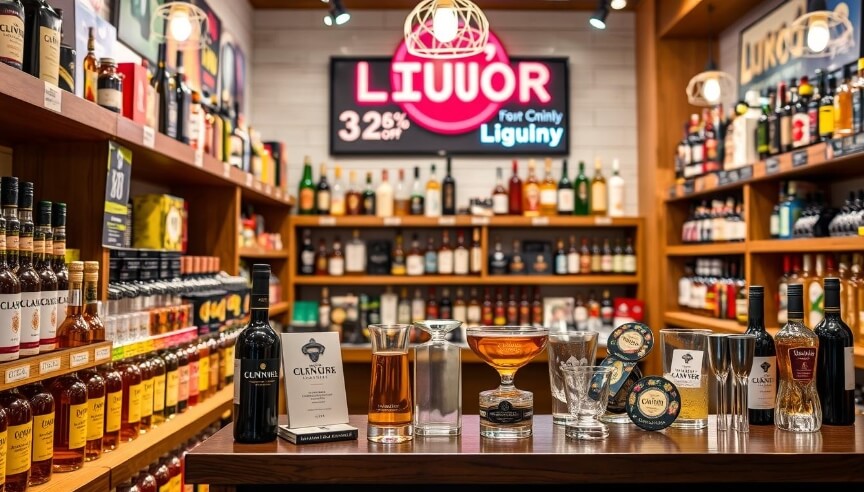
In-person marketing is still a strong way for liquor stores to connect with customers and increase sales. Making the store welcoming is key to keeping customers coming back. Friendly, knowledgeable staff are vital in making the shopping experience better and helping to sell more.
Events like wine tastings, cocktail classes, or spirit book clubs can bring in more people and get them talking16. These events draw in new customers and make regulars visit more often. This leads to more sales and builds loyalty to the brand.
Showing off new products with in-store promotions and special displays can catch people's attention and boost sales. Offering custom promotional items and branded giveaways at these events makes a big impact on customers. It helps them remember the brand even after they leave.
Loyalty programs are also a smart move for liquor stores. They encourage customers to buy more and come back, which means more sales and useful data for marketing16. Stores can use this data to send out targeted marketing and suggest products that fit what customers like.
Working with other local businesses, like restaurants or event planners, can help liquor stores reach more people and find new customers16. These partnerships often involve sharing promotions or events. This lets stores show off their custom items and branded products to more people.
Using these in-person marketing methods and custom promotional items together can make shopping experiences memorable. This helps build loyalty and increases sales. Remember, most business comes from current customers, so it's key to keep them happy17.
Traditional Marketing Methods That Still Work
Even in today's digital world, traditional marketing is still strong. These methods are great for local businesses like liquor stores. Let's look at some old-school marketing tricks that still work well.
Direct Mail Campaigns
Direct mail is a strong way to reach local customers. Sending out postcards with deals or event news can get people to visit your store. Adding coupons for unique gifts or custom visors can draw in customers. This method is great for older folks who like getting mail18.
Print Advertising in Local Publications
Local newspapers and magazines are perfect for showing off your products. Ads with eye-catching designs, like custom coasters or seasonal drink deals, catch the eye. Even with more digital options, many people over 50 still enjoy reading the paper19.
Seasonal Promotions and Special Events
Use drink-themed events all year to increase sales. For instance, offer a special deal for National Hot Buttered Rum Day or World Cocktail Day. These events are great for showing off your unique gifts and products. Traditional marketing is all about hands-on and physical efforts, which suits local, event-based promotions well20.
While digital marketing reaches far and wide, traditional methods are great for targeting locals. Mixing these strategies can make your marketing plan broad and appealing to many customers. Don't forget the strength of traditional marketing in growing your brand and boosting sales.
Utilizing POS Systems for Enhanced Marketing
POS systems are changing how businesses market and connect with customers. They're expected to hit USD 41 billion by 2029, showing their growing role in many sectors21. These systems open up new ways for liquor store owners to market better and build stronger customer ties.
Using POS data, owners can boost customer interaction and grow their business. These systems gather and analyze customer info, helping with targeted promotions and a smoother checkout22. This personal touch is crucial in the competitive alcohol market.
Custom POS systems meet specific business needs. For liquor stores, this could mean managing tall glass cups, tracking cheap stickers, or handling branded plastic bags21. Real-time updates and alerts on low stock help you always have what customers want.
"POS systems are the backbone of modern retail operations, providing invaluable insights for targeted marketing strategies."
Here's how POS systems can boost your marketing:
Customize promotions based on customer preferences
Implement loyalty programs to increase retention
Streamline checkout process for improved customer satisfaction
Collect and analyze feedback to refine products and services
When picking a POS system, think about your business size, budget, and goals. Make sure it works well with your current systems and devices for easy setup22. The right POS system helps you craft marketing campaigns that speak to your customers and boost sales.
POS Feature
Marketing Benefit
Customer Data Collection
Personalized Promotions
Inventory Tracking
Targeted Product Recommendations
Sales Analytics
Optimized Pricing Strategies
Loyalty Program Integration
Increased Customer Retention
The Game-Changer in Alcohol Promotions: Custom Products From Decentcustom.com
Alcohol promotions have changed a lot, and custom products are at the forefront. Decentcustom.com offers personalized items that can change your marketing game. Let's see how these customizable items can make your brand stand out and attract more customers.
Custom drinkware is a key tool for promoting alcohol. Branded glasses and cups are not just useful but also promote your brand. Think about giving out custom pint glasses with your logo or special designs that fans can collect.
Customized packaging for gift sets can make your products seem more valuable. Design unique boxes or bags that reflect your brand's style. These personalized items are perfect for gifts and can boost sales during holidays or events.
Make your products stand out with personalized labels and bottle accessories. Custom neck tags, bottle openers, or engraved bottles can make your brand unique. These items help customers feel a special connection to your product.
Using these custom products from Decentcustom.com can make your brand unforgettable. Just as legal publications encourage open discussions, these items open new ways for customer interaction and loyalty23.
Designing Effective Point-of-Sale Displays
Point-of-sale (POS) displays are key to boosting sales and making your brand stand out. They help make 75% of purchasing decisions happen right there24. Let's explore how to make POS displays that grab attention and show off your products well.
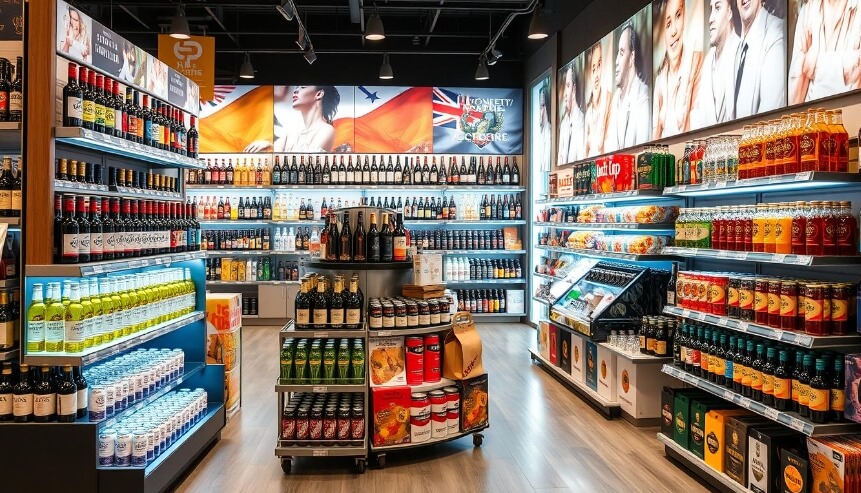
For custom-made goods, focus on making POS displays look good and placing them where they'll get seen a lot. This can increase sales by up to 20%24. For personalized products, bright colors and unique shapes work well. Look at Jim Beam's bright yellow displays for inspiration.
Offering samples of your products lets customers feel and touch them. This can make them more engaged by 25% and keep them coming back24. Adding recipe ideas or serving suggestions can also encourage them to buy more.
Here are some key facts to keep in mind:
60% of consumers might buy something they didn't plan to if the POS display catches their eye24
Custom POP displays can make your brand 30% more recognizable than standard ones24
Alcohol products in well-lit POP displays sell 40% more in the evenings24
For making custom POP displays, companies like Wertheimer Box are great. They can make displays in 10 days to 2 weeks25. They can print up to four colors, making your products stand out25.
Investing in good POS displays does more than just increase sales. It also builds brand loyalty. 80% of beverage companies see more customer loyalty after using custom POP displays24. This is a smart move that can bring back three times your investment in the first six months24.
Legal Considerations in Alcohol Marketing
Promoting alcohol requires careful attention to the law. I'll cover important rules on age limits, ad rules, and messages about responsible drinking.
Age Restriction Compliance
It's crucial to market alcohol to the right age group. Studies show that ads can lead to more drinking among the young26. To stop this rules on where and when ads can be shown help protect young people26. When giving out custom items like promotional products or gifts, make sure the recipients are old enough.
Advertising Regulations for Alcoholic Beverages
The rise of digital ads has made it harder to enforce ad laws26. Rules on alcohol ads differ by place, with some places banning them26. Self-regulation by the industry is important to keep ads away from kids and to avoid promoting too much drinking26.
Responsible Drinking Messaging
It's key to include messages about drinking responsibly. Ads should show health warnings to inform buyers about the risks26. When making giveaways or promotional items, add reminders about drinking safely. Programs that teach about the dangers of alcohol abuse can also help.
Platform
Age Verification Method
Content Restrictions
TV
Watershed restrictions
Time-based limits
Digital
Age-gating mechanisms
Platform-specific guidelines
Print
Publication audience demographics
Content and imagery limits
For influencer marketing, the FTC says influencers must tell their followers if they're paid or get free stuff27. Rules also say ads should be shown where most people are 21 or older27. Following these rules helps alcohol brands market their products legally and responsibly.
Measuring the Success of Your Marketing Efforts
Tracking the success of marketing campaigns is key for any business, especially in the alcohol industry. By using the right tools and metrics, I can make my strategies better and get a good return on my investment.
I focus on the Return on Investment (ROI) to see the profit from my marketing efforts compared to their cost28. This helps me see which campaigns work best and where to spend my money.
Conversion Rates are also important to me. They show how many users take the action I want compared to all visitors28. This is useful when I'm promoting things like paper coasters custom or tall glass cups on my website or social media.
Email Open and Click-Through Rates help me see how well my email campaigns do28. These numbers tell me if my audience is engaging with my content. This could be a promotion for a new custom visor or news about a special event.
"Continually monitoring and optimizing campaigns is crucial to long-term success in personalized marketing."
Segmenting my audience based on their needs and likes leads to better marketing and results29. For instance, I might make different campaigns for craft beer fans versus wine lovers. This way, my messages hit the mark with each group.
To improve my strategies, I test different versions of marketing messages or campaign elements29. This helps me see which promotional tactics work best for my products, like paper coasters custom or tall glass cups.
Finally, I look at my website traffic to see when customers visit most and which campaigns work best30. This info helps me measure the success of my marketing and make smart decisions to do better.
Metric
Purpose
Importance
ROI
Calculate profit vs. cost
High
Conversion Rate
Measure desired actions
High
Email Engagement
Track campaign success
Medium
A/B Testing
Optimize marketing messages
Medium
Website Traffic
Identify effective campaigns
High
Conclusion
In the world of alcohol marketing, custom products are a big deal. They're more than just items to give away; they're key for getting your brand seen and engaging with customers. Custom merchandise can make customers happy and bring them back for more. 50% of people think these products are great gifts, and 48% are okay with waiting longer for them31.
Custom cheap stickers and wholesale plastic bags with logos can turn simple packaging into something that speaks for your brand. These items leave a mark, with 53% of young people aged 16-24 into customized clothes31. This interest isn't just for the young, as 50% of those 25-39 also like customized furniture31.
Custom products help with brand loyalty. Companies that offer them see a 40% drop in returns, and customers who design their products give a 50% higher Net Promoter Score31. To get the most out of this, I suggest using a detailed product lifecycle management solution for better custom product development32. By using these strategies and working with services like Decentcustom.com, alcohol brands can make unique, memorable experiences. These experiences will connect with their audience and help them succeed over time.
FAQ
What are some current trends in the alcohol industry?
The alcohol industry is seeing more demand for craft and small-batch spirits. People are also enjoying at-home cocktail parties. There's a rise in low and no-ABV beverages and ready-to-drink (RTD) cocktails.
How can custom products help in alcohol marketing?
Custom products like branded cups and glasses boost brand visibility. They help create strong brand recall and encourage impulse buys.
Why is it important to understand your target customer base?
Knowing your customers is key to marketing success. Look at local demographics and track what your best customers buy. Use surveys to learn more about your audience.
How can social media be leveraged for alcohol promotion?
Pick social media platforms that match your audience. Post regularly and share content that shows off your brand. Working with local influencers can also help spread the word.
What are some in-person marketing techniques for liquor stores?
Make your store welcoming and train your staff well. Host events like wine tastings or cocktail classes. Use in-store promotions and offer discounts for shopping in person.
How can traditional marketing methods be effective for liquor stores?
Old-school marketing still works well. Use direct mail, and print ads, and take advantage of seasonal events to reach your audience.
How can POS systems be utilized for enhanced marketing?
POS systems track customer purchases and preferences. They help identify trends and run loyalty programs. This info can guide inventory, staffing, and marketing.
What types of custom products does Decentcustom.com offer for alcohol promotions?
Decentcustom.com has a wide range of custom products for promoting alcohol. This includes branded drinkware, customized packaging, personalized labels, and bottle accessories.
How can effective point-of-sale displays be designed?
Make your POS displays stand out. Use samples of branded cups and include recipe ideas to inspire sales.
What legal considerations should be kept in mind for alcohol marketing?
Follow age restrictions and promote responsible drinking. Make sure your ads comply with laws and social media guidelines for alcohol promotion.
How can the success of marketing efforts be measured?
Use your POS system to track sales and customer engagement. Look at how promotional items affect sales and brand recognition. Adjust your strategies based on what works best.