Did you know that 88% of consumers remember an advertiser after getting a promotional product1? This shows how powerful branded merchandise is, even in our digital world. As I explore the world of promotional products, I see how they've changed over time.
Imagine it's the early 1990s. Promotional t-shirts are big at events and trade shows2. In our post-pandemic world, custom face masks and hand sanitizers are key items2. This shows how promotional products stay relevant, even as society changes.
The industry started in the 1960s and has grown a lot since3. It's moved from computer-aided designs in the 1980s to online platforms for small-batch orders today3. This ability to change helps keep corporate gifts and giveaways important for brands.
Promotional products are special because they leave a lasting impression. People keep them for 6-12 months, and sometimes up to two years1. This means brands get seen over and over, making these products a smart choice for marketing.
Key Takeaways
Promotional products have a high recall rate among consumers
The industry adapts to societal changes and technological advancements
Digital platforms have made customized promotional items more accessible
Promotional products complement digital marketing strategies
The Digital Age and Traditional Marketing Convergence
In today's marketing world, we see a mix of new digital ideas and old-school tactics. This mix changes how brands talk to their audience, especially with promotional items and custom swag.
This combined approach is powerful. Even a small betterment in customer experience can bring in big money. Some companies have seen tens of millions more in earnings4. This shows how key it is to have a consistent brand feel across all touchpoints, including promotional products.
Branded premiums are now a big part of a bigger strategy. They're linked to digital campaigns, making them more effective. For example, TV still gets one-fifth of all U.S. media ad money, showing traditional channels matter5. By mixing these old ways with new digital ideas, brands can make their marketing stronger.
Omnichannel marketing is a big part of this trend. In 2020, over half of shoppers used mobile apps while in stores, showing the need for smooth online-to-offline experiences5. This change lets us put promotional items into both physical and digital paths customers take.
Marketing Channel
Impact
Integration with Promotional Items
Television
20% of U.S. media ad revenue
QR codes on custom swag linking to TV ads
Radio
Projected $30 billion in 2024
Promotional items as contest prizes
Mobile Apps
52% in-store usage
App-exclusive branded premiums
This mix of digital and traditional marketing can make brands more profitable. It shows the future of promotional products is working well with both digital and old-school marketing plans.
Defining Promotional Products in the Modern Era
The promotional products industry has grown a lot. It's now worth over $20 billion with more than 750,000 items for branding6. This shows how important these items are in marketing.
Types of Promotional Items
Promotional products have changed a lot. Wearable items, like clothes and accessories, make up over 30% of the market7. Eco-friendly items made from recycled materials are also popular. They appeal to people who care about the environment and businesses that do too.
Customization and Branding Opportunities
The industry offers many ways to customize business gifts and imprinted products. This lets companies make unique items that match their brand. Studies show that people remember brands that give them items for almost two years6.
Technology-Infused Promotional Products
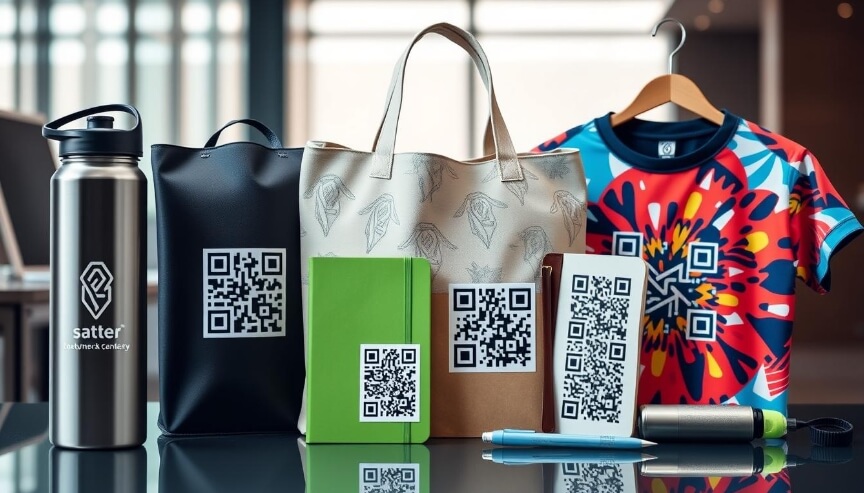
Today's promotional products often have technology. This makes them more than just items. USB drives, power banks, and items with QR codes or NFC are favorites for tech-savvy businesses.
Product Type
Benefits
Popular Examples
Wearables
High visibility, daily use
T-shirts, caps, wristbands
Eco-friendly
Sustainability appeal
Reusable bags, bamboo pens
Tech-infused
Modern appeal, functionality
Smartwatches, wireless chargers
The Promotional Products Association International (PPAI) has over 10,000 global members. This includes more than 22,000 distributors and about 4,800 manufacturers7. This big network means there are many promotional products available for different marketing needs.
The Psychology Behind Promotional Products
Promotional products tap into human psychology, creating strong bonds between brands and consumers. They use the principle of reciprocity, making people feel valued and more likely to return the favor. This effect is seen in many items, like logo USB drives and custom coffee mugs.
These products have a big impact on brand recall. 85% of people remember the advertiser who gave them a promotional item. Also, 89% can recall the advertiser on a promotional item they've received in the past two years8. This shows how lasting these products are in people's minds.
Promotional items also last a long time, which adds to their impact. 58% of people keep these items for one to four years, showing off the brand for a long time8. This long-term presence helps build familiarity and trust, which are key for brand loyalty.
Emotional connections are also key. 79% of people feel appreciated when they get a promotional item, strengthening their bond with the brand8. This emotional connection can turn people into brand advocates, leading to positive word-of-mouth marketing9.
The design and functionality of these products also matter. Items that look good and are useful, like a lightweight computer bag, are more likely to be kept and used9. This repeated use helps reinforce brand recognition and can lead to more purchases.
Promotional Product Impact
Percentage
Consumers who remember the advertiser
85%
Recipients who keep products for 1-4 years
58%
Consumers are more likely to do business after receiving a product
83%
Recipients who feel appreciated
79%
Promotional products also have an impact beyond individual consumers. 63% of people give their items to someone else instead of throwing them away, spreading the brand's reach8. This creates a ripple effect, expanding the brand's exposure to new people.
Promotional Products in the Internet Age
In today's digital world, promotional products have changed. They now connect online marketing with real-world experiences. This mix of digital and physical offers new ways for businesses to reach their audience.
Online Campaigns and Offline Rewards
The internet has changed promotional marketing a lot. Brands use online campaigns to send out physical rewards. For example, they give out wholesale pens with logos to customers who take online surveys or sign up for newsletters10.
Social Media Contests and Branded Prizes
Social media is great for brand engagement through contests and giveaways. These events often have custom office supplies as prizes. This mix of online and physical rewards is popular. QR codes on these items help brands track interactions and learn what people like11.
Virtual Events and Tangible Giveaways
Virtual events are becoming more common, and brands are finding ways to stay physical. Digital items like imprinted flash drives are popular at events. They provide lots of media content10. AR technology in promotional products also boosts their value and the brand's image11.
The future of promotional products looks bright. Technologies like VR and IoT will make brand engagement even better. As we move forward, the mix of physical and digital will keep growing, leading to more memorable brand experiences11.
Measuring ROI: Promotional Products vs. Digital Advertising
Promotional products are a strong contender against digital ads. The U.S. industry is worth $23 billion, showing its effectiveness12. Let's look at the numbers that show how well branded merchandise and corporate gifts work.
Promotional items are great at making brands memorable. An amazing 85% of people remember the company that gave them something12. This means better brand recognition and loyalty.
Promotional products are also cost-effective. They cost just $0.004 per impression, beating out ads in magazines and newspapers12. This makes them a smart choice for businesses on a budget.
These items last a long time, adding to their value. 81% of people keep them for over a year12. And 79% pass them on, spreading the brand even further12.
Metric
Promotional Products
Digital Advertising
Brand Recall
85%
Varies
Cost Per Impression
$0.004
Varies by platform
Longevity
1+ year for 81% of items
Short-term
To see how well they work, track sales, website visits, and social media13. Make sure other campaigns don't affect your results13. With good planning, promotional products can bring in big returns, up to 825%1213.
Brand Recognition and Recall in a Cluttered Digital Landscape
In today's digital world, it's hard to stand out. But, promotional items give you a unique advantage. Let's see how custom swag and marketing giveaways help your brand be remembered.
The Lasting Impact of Physical Items
Physical promotional items make a lasting impression. They create more impressions than almost any other ad medium14. Unlike digital ads that disappear quickly, these items keep your brand in sight. This repeated exposure boosts brand recall and is a cost-effective way to increase awareness14.
Creating Memorable Brand Experiences
Promotional products create unforgettable brand experiences. Ads with consistent visuals are 23% more likely to be remembered15. When picking marketing giveaways, make sure they match your brand's values. This can increase ad recall by 50%15. Personalized items can make your brand 23% more memorable, keeping it in customers' minds15.
Bridging the Gap Between Online and Offline Presence
Custom swag connects the digital and physical worlds. Using branded items as conversation starters can introduce your brand to new people14. This method expands your reach beyond digital spaces. Giving loyal customers branded merchandise can increase loyalty and repeat business14. It's a strong way to keep current customers and attract new ones.
Strategy
Impact on Brand Recall
Consistent Visual Elements
23% higher recall rate
Compelling Storytelling
55% higher brand recognition
Optimal Ad Frequency
Up to 39% increase in recall
Personalized Ads
23% increase in recall
By using these strategies with promotional items, brands can make a strong impact in both digital and physical spaces.
Sustainability and Eco-Friendly Promotional Products From Decentcustom.com
More people want brands that care about the planet16. At Decentcustom.com, we offer eco-friendly products that match this demand. These items are perfect for those who value the environment.
Our green products help the planet and make your brand look good. Studies show that eco-friendly items can make your brand 53% more loyal and increase sales by 37%17. This shows how important green business gifts are today.
Custom eco-friendly items are changing the game for brands16. We have items made from recycled materials, biodegradable plastics, and recycled paper. This gives customers a full green experience.
Eco-friendly items really make a difference. A survey found that 78% of people are more likely to buy from eco-friendly brands. Also, 62% prefer brands that show they care about the environment through their products17.
Eco-Friendly Product
Consumer Preference
Brand Impact
Custom Reusable Bags
High
Improved Brand Image
Recycled Water Bottles
Very High
Increased Online Visibility
Biodegradable Pens
Moderate
Enhanced Sustainability Perception
The future of green promotional products looks bright. New tech is making eco-friendly items more innovative. This lets businesses improve their image and help the planet16.
Integrating QR Codes and NFC Technology in Promotional Items
In today's world, promotional items are changing. They now connect the physical and digital worlds. QR codes and NFC technology are making this possible, offering new chances for marketers and users.
Linking Physical Products to Digital Experiences
QR codes and NFC chips turn simple items into interactive tools. Things like logo USB drives and bags can link to online content. With most people having smartphones, QR codes are easy to use. In 2022, 89 million Americans scanned a QR code, up 26% from 202018.
Data Collection and Customer Insights
These technologies help collect important data. NFC chips track where you are, what you do, and what you like. This gives businesses key insights18. At events, QR and NFC help track who's there and how they move around19.
Enhancing User Engagement
QR codes and NFC improve how we engage with products. At events, they make signing up and paying easy19. Businesses use interactive items like wristbands and coasters to share info and make brands memorable.
Technology
Advantages
Applications
QR Codes
Widespread accessibility, trackable usage
Marketing, ticketing, information sharing
NFC
Subtle branding, data insights
Contactless payments, access control, lead management
By adding these techs to items, companies can offer better, more engaging experiences. These experiences connect with today's tech-savvy people and give valuable marketing data.
Promotional Products for Remote Workers and Virtual Teams
Remote work has changed how companies connect with their employees. Now, companies use promotional products to unite virtual teams. Custom office supplies and personalized items help share a company culture, even when teams are far apart.
Custom coffee mugs are a favorite for many businesses. They remind employees of company values and team spirit20. Personalized home office items make workspaces more productive. Wholesale pens with logo keep the brand in sight during video calls and online meetings.
2120 Self-care kits for remote employees help them relax and work better. Virtual team-building kits strengthen relationships. These gestures show companies care about their remote workers' well-being.
I've seen that promotional products can unite remote teams21. Company logo apparel makes remote workers feel part of the team. This feeling is key for team unity in remote work.
Here's a look at some popular promotional items for remote workers:
Item
Purpose
Impact
Custom coffee mugs
Daily use
Brand visibility
Branded pens
Note-taking
Practical reminder
Tech accessories
Work efficiency
Productivity boost
Branded apparel
Team unity
Sense of belonging
Investing in the right promotional products helps companies connect with their remote workforce. It boosts morale and productivity.
The Role of Promotional Products in Content Marketing Strategies
In today's digital world, promotional products have a new role in content marketing. They help brands connect with people in a lasting way, often more than digital ads22.
Unboxing Videos and Product Showcases
Unboxing videos with branded items have become very popular. They make people excited and eager to see what's inside. This trend works well, as 76% of people remember the brand name on these items23.
Influencer Partnerships and Branded Merchandise
Influencers often use promotional products in their posts, reaching more people. This approach is liked by 94% of people, who enjoy getting these items23. By working with influencers, brands can make a strong impression on consumers and get more visibility.
User-Generated Content Campaigns
Content campaigns using promotional items can really boost brand engagement. I've seen that 83% of people have more fun with these items, making them great for getting people involved23. These campaigns often include social media contests where people share photos or videos with the items, creating buzz and reaching more people.
Promotional products are a powerful tool in content marketing. They offer a real way to connect with people, increase engagement, and create memorable experiences. With 63% of people sharing these items, the chance for brand exposure is huge23.
Personalization and Data-Driven Promotional Product Selection
In today's marketing world, personalized items are key. We use data to pick the best custom swag for our campaigns. This way, we choose items that our audience will love.
Personalization really makes a difference. It makes customers feel special by tailoring messages to their likes and actions24. It's not just about making customers happy; it's about getting results. Personalized messages lead to more engagement and sales, as they connect with people better24.
The numbers show how good data-driven marketing is:
87% of marketers see data as a big untapped resource25
40% of brands want to spend more on data-driven marketing25
Companies using data see five to eight times more return on investment25
When picking items, I keep these stats in mind. People want personalized experiences, with 66% expecting companies to get their unique needs25. This includes expecting personalized items, making choosing wisely very important.
To do this well, I gather and study customer data from many places. This includes website stats, CRM systems, and social media24. By breaking down our audience, we can make campaigns with swag that really speaks to each group.
Data Source
Insights Gained
Promotional Item Selection
Website Analytics
Most viewed product categories
Tech accessories as marketing giveaways
CRM Data
Customer purchase history
Eco-friendly custom swag for green consumers
Social Media
Trending topics among followers
Themed promotional items aligned with current interests
Using these insights, I pick items that are not just eye-catching but also valuable. This way, our marketing items make a real impact, building loyalty and lasting impressions.
Promotional Products: A Cost-Effective Marketing Tool
Branded premiums are a smart and affordable marketing choice. The U.S. promotional products market makes over $23 billion a year26. They provide lasting value and brand exposure, often better than digital ads.
Long-Term Value and Brand Exposure
Imprinted items leave a lasting mark. Outerwear and t-shirts can get your brand seen thousands of times26. 81% of people keep these items for more than a year26. Promotional products are a lasting marketing that offers tangible reminders of a brand, building recognition and loyalty.
Comparing Costs with Digital Ad Spend
Business gifts are very cost-effective. They have the lowest cost per impression, perfect for small budgets27. Unlike digital ads, they keep delivering value long after they're given out.
Item
Lifetime Impressions
Outerwear
7,856
T-shirts
3,400
Writing instruments
3,000
Drinkware
1,400
Maximizing Impact on a Limited Budget
For businesses on a tight budget, choosing the right promotional items is key. Customized corporate items can target specific groups27. This way, every dollar spent makes a big impact.
Promotional products are very versatile. From t-shirts and mugs to office supplies and tech, there's something for everyone27. This means even small businesses can find items that fit their brand and budget.
"Promotional products are the most effective form of advertising across various consumer generations, outranking other methods like online, broadcast, print, and mobile advertising."
In conclusion, promotional products are a smart choice for businesses. They offer lasting value and brand exposure. By investing in quality items, businesses can make a big impact without spending too much.
The Future of Promotional Products in a Tech-Driven World
The world of promotional products is changing fast. We're seeing a mix of digital tech and physical items. Logo USB drives and lightweight computer bags are just the start of this exciting change.
Smart promotional products are becoming more popular. Bluetooth speakers and wireless earbuds have seen a 15% increase in popularity28. These items do more than just show off a brand; they offer fun, interactive experiences for users.
Personalization is changing the game. Custom USB drives have an 82% retention rate among those who get them28. This makes them great for keeping a brand in people's minds for a long time. Companies are using this to make lasting impressions.
There's also a growing interest in eco-friendly options. Promotional products made from recycled materials and organic fabrics are becoming more popular29. This shows that people want products that are good for the planet.
The future also looks bright for augmented reality experiences with physical items. Imagine using your phone to scan a product and get special offers or content. This blend of digital and physical opens up new ways to connect with customers.
Trend
Impact
Example
Tech Integration
15% increase in popularity
Bluetooth speakers
Data-Driven Personalization
82% retention rate
Custom USB drives
Eco-Friendly Options
Rising demand
Recycled material products
AR Experiences
Emerging trend
Scan-to-unlock content items
Looking ahead, promotional products will keep being key in marketing. By using new tech and ideas, these items will offer more value, fun, and results for brands in the digital world.
Conclusion
Looking back, I see how marketing has changed. Yet, promotional products still hold a lot of power. Items like custom coffee mugs bulk leave a mark that digital ads can't. A whopping 89% of people remember the advertiser's name years later, showing how lasting these items are30.
Promotional products are incredibly versatile. They range from wholesale pens with logo to custom office supplies. These items remind people of a brand, which is why 85% of people choose to do business with an advertiser after getting something free30.
These products are also very cost-effective. They cost less than one cent per impression, beating out other ads31. Plus, they boost brand exposure by 69% when customers use them often32. This makes them a key part of any marketing plan.
In the end, as tech changes marketing, promotional products keep up and thrive. They connect the physical and digital worlds, creating memorable brand moments. With 83% of people feeling positive about a brand after seeing promotional items, it's clear these tools are here to stay32.
FAQ
What role do promotional products play in the digital age?
Promotional products are now part of digital marketing. They combine physical items with online tactics like social media contests. This mix helps bridge the gap between digital and physical brand experiences.
How do promotional products enhance brand recognition and recall?
In a busy digital world, physical items like promotional products stand out. They create lasting brand memories. 66% of people remember brands on items they got in the last year, boosting brand recall.
What types of technology-infused promotional products are available?
Items with QR codes and NFC tech are getting popular. They connect physical items to digital experiences. This boosts user interaction and helps gather customer data.
How do promotional products cater to the remote workforce?
Promotional items for home offices and virtual teams are now in demand. Custom coffee mugs, branded office supplies, and tech accessories keep teams connected. They help maintain company culture even when teams are apart.
What role do promotional products play in content marketing strategies?
Promotional products are key in unboxing videos and product showcases. They also work well in influencer partnerships. This creates buzz and boosts brand engagement through user-generated content.
How do eco-friendly promotional products benefit businesses?
Sustainable promotional items from Decentcustom.com are good for the planet. They also appeal to eco-conscious consumers. This improves brand image and loyalty.
Are promotional products a cost-effective marketing tool?
Promotional products offer lasting brand exposure at a lower cost than digital ads. Choosing the right items can make marketing more effective. This leads to a better return on investment than short-term digital ads.