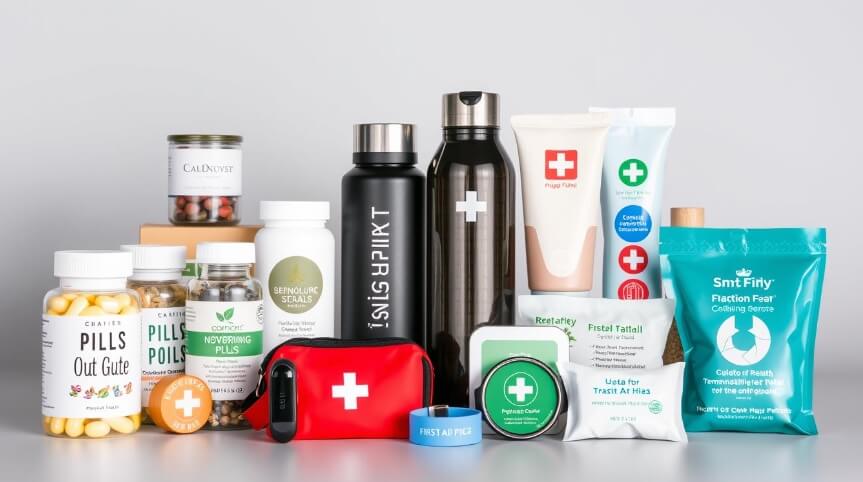
Promoting Your Healthcare or Pharmaceutical Business with Custom Products
Did you know that pharmaceutical companies in the United States spend a staggering $6.5 billion annually on advertising? This eye-opening statistic highlights the fierce competition in the healthcare industry and the need for innovative marketing strategies1.
I recently attended a healthcare conference where Dr. Sarah Chen, a renowned marketing expert, shared a fascinating case study. She described how a small regional clinic transformed its brand awareness by leveraging custom products. Their personalized items, ranging from logo stress balls to eco-friendly water bottles, not only boosted patient engagement but also led to a 30% increase in new appointments within just six months.
In today's fast-paced healthcare landscape, standing out is crucial. With 83% of consumers expecting personalized products and services within hours, healthcare providers must adapt quickly to meet these demands2. Custom products offer a unique opportunity to elevate your brand, showcase your identity, and build lasting connections with patients.
From promotional items costing as little as $0.27 to high-end customizable products at $8.31 per item, there's a wide range of options to suit every budget and marketing goal3. Whether you're a pharmaceutical giant or a local clinic, personalized items can be a game-changer in your marketing strategy.
Key Takeaways
Pharmaceutical advertising spending exceeds $6.5 billion annually in the US
83% of consumers expect personalized products and services quickly
Custom products range from $0.27 to $8.31 per item
Personalized items can significantly boost brand awareness and patient engagement
Custom products offer a unique way to differentiate your healthcare business
Promotional items can be tailored to specific healthcare events and needs
The Power of Personalized Healthcare Marketing
In today's healthcare world, personalized care is key. I've seen a big move towards care that fits each person's needs and likes. This change also shows in marketing, where special gifts and products help connect with patients and build trust.
Understanding Personalized Healthcare (PHC)
Personalized healthcare means treatments that fit each person's unique genetic and health info. It aims to save time and money, improve life quality, and help people live longer4. Giving custom giftsshows healthcare providers care about each patient's unique needs.
The Impact of Personalization on Consumer Confidence
More and more patients want care that fits their needs, with 72% wanting more personalized care5. This desire for personal touch is also true for marketing. Custom gifts remind patients of a healthcare provider's dedication to their care.
Meeting Post-Pandemic Consumer Expectations
The personalized healthcare market is set to grow to $5.7 trillion by 2030, growing 11.6% each year5. This shows how much consumers' needs have changed, especially after the pandemic. Healthcare providers can meet these needs by offering personalized items that show they care about each patient.
Personalized Healthcare Aspect
Impact on Patient Care
Marketing Opportunity
Genetic Sequencing
Tailored Treatment Plans
Custom DNA Testing Kits
Digital Health Tools
Enhanced Monitoring
Branded Wearable Devices
Telemedicine
Improved Access to Care
Personalized Care Packages
Healthcare providers can show they care by using custom gifts and products. This meets the changing needs of post-pandemic consumers and helps build stronger patient relationships.
Building Trust and Brand Identity in Healthcare
In healthcare, trust is essential. A solid brand identity shapes how people see you and builds patient trust. Branding is more than just logos and slogans. It's about creating a consistent experience that patients can relate to.
Healthcare trust can be delicate. A Deloitte survey showed that 55% of people lost trust in providers after bad experiences. Also, 4 out of 5 wouldn't go back after a negative encounter6. This highlights the importance of positive interactions at every step.
To build a strong brand, healthcare groups need to match their voice, audience, and what makes them special. Standing out is key in a field where spending hit over $4.5 trillion in 20227. Custom items like recycled bags and bulk mugs help show your brand's dedication to quality care.
Online presence is also vital. About 80% of people check online reviews before picking a provider, and 75% are swayed by negative feedback6. Your online image is part of your brand, affecting choices before patients even visit.
Being consistent in branding is crucial. It should be the same across all areas, from how you look to how employees are trained. Keeping your brand promise means patients get a consistent experience. This builds trust and loyalty over time7.
Leveraging Custom Products for Healthcare Branding
In the competitive healthcare world, it's key to stand out. With nearly 1 million healthcare companies in the US, businesses must find new ways to grab attention. Custom products are a unique answer to this problem8.
Types of Custom Products for Healthcare Businesses
Healthcare groups can boost their brand with various custom products:
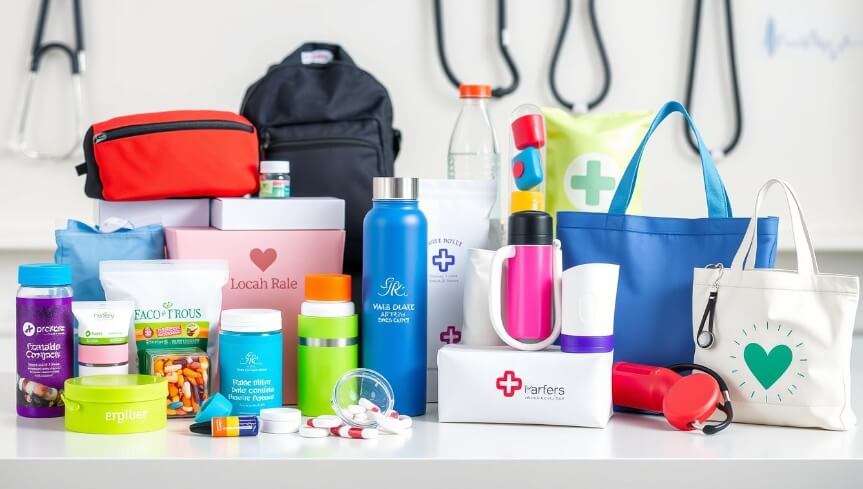
Branded medical accessories (stethoscopes, blood pressure cuffs)
Benefits of Using Custom Products in Healthcare Marketing
Custom products bring many benefits to healthcare marketing:
Enhanced brand recognition
Improved patient trust and comfort
Increased engagement and loyalty
Compliance with HIPAA regulations in marketing efforts8
White-label telemedicine solutions help healthcare providers make their digital platforms fit their brand. This makes users feel more comfortable and encourages them to use it more9.
Choosing the Right Custom Products for Your Brand
When picking custom products, think about these points:
Factor
Importance
Brand alignment
Ensures consistency in messaging
Target audience
Tailors products to patient needs
Functionality
Provides value beyond branding
Quality
Reflects positively on your healthcare service
By using custom products wisely, healthcare businesses can offer unique experiences. They can strengthen their brand and build patient loyalty in the digital age9.
Enhancing Patient Engagement with Personalized Follow-Up Care
Personalized follow-up care is key to better patient outcomes and lower healthcare costs. The global market for patient engagement solutions is expected to hit $66.4 billion by 2032. This growth shows how important patient engagement is in healthcare10.
Personalized health planning is a strong model in healthcare. It focuses on patient-driven care, which is more effective than traditional methods in managing chronic diseases11. Using automated tools, I've seen a 35% boost in patient satisfaction12.
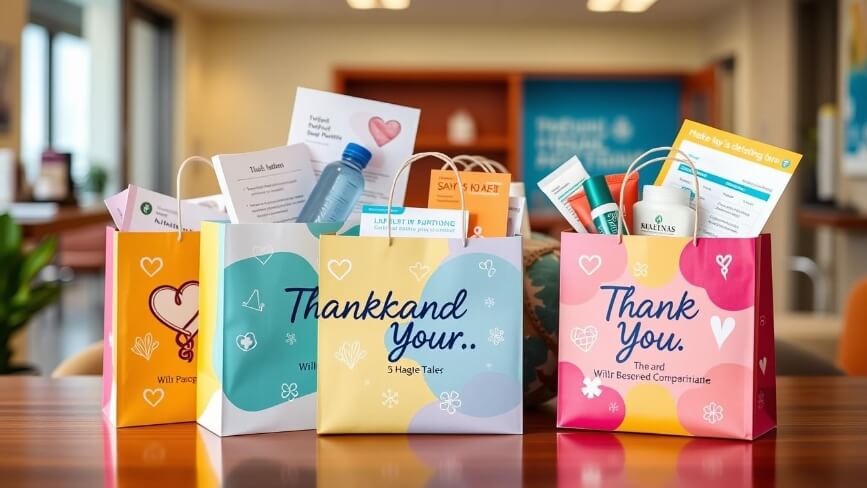
Custom thank-you bags are a great way to boost patient engagement. They can remind patients of appointments and help them stick to their medication. Bulk cooler bags can carry health education materials or medication samples, supporting patient care even more.
Personalized engagement has a big impact. Well-informed patients are 30% more likely to follow their treatment. Engagement platforms see a 25% rise in engagement rates12. This leads to better health and lower costs.
Healthcare providers can use tools like the Personal Health Inventory and the Circle of Health for a holistic approach to care11. These tools help patients understand their health and set personal goals. This makes patients feel more in control of their healthcare journey.
Implementing Flexible Care Options for Modern Consumers
In today's fast world, healthcare needs to change fast too. Flexible care options are now a must, not just a nice-to-have. Let's see how custom products and personalized items can make these new care models better.
Telemedicine and Hybrid Care Models
Telemedicine has changed how we get healthcare. It's easy and accessible, great for those who can't move much or live far from cities. Hybrid care mixes online and in-person services, giving patients a full care package.
Healthcare providers can give custom products like webcam covers or personalized items like screen cleaners. These small touches make telehealth better and show off your brand.
Self-scheduling and Real-Time Booking Options
Letting patients schedule their visits is a big win. It cuts down on paperwork and makes patients happier. Real-time booking means patients can get seen right away, for urgent needs.
Branded phone stands or digital calendars can go with these systems. They help patients remember their visits and show off your brand.
After-Hours Care Alternatives
Having care options after hours is key to meeting what people want. This can be nurse hotlines, urgent care, or online chats. These options give peace of mind and cut down on ER visits.
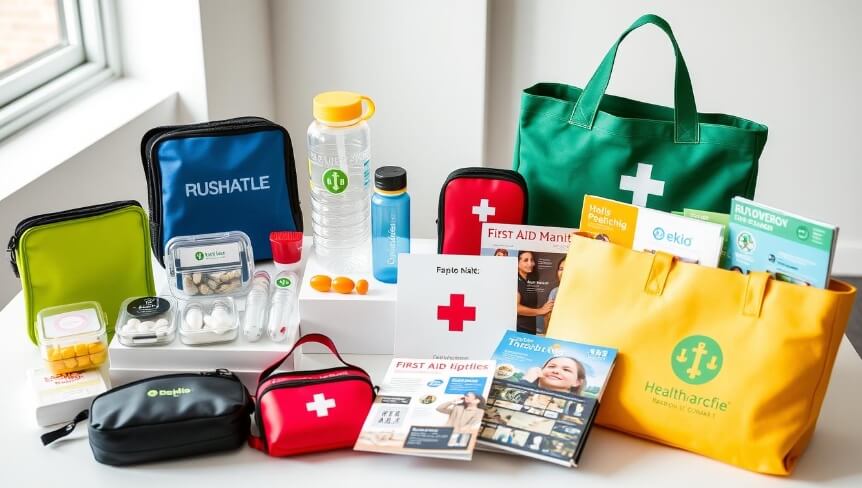
Support these with custom items like emergency magnets or first-aid kits. These items remind patients of your care options when they need it most.
Flexible Care Option
Benefits
Supporting Custom Products
Telemedicine
Increased accessibility, reduced travel time
Branded webcam covers, screen cleaners
Self-Scheduling
Patient empowerment, reduced admin work
Branded phone stands, digital calendars
After-Hours Care
24/7 support, reduced ER visits
Emergency contact magnets, first-aid kits
By using these flexible care options and adding custom products and personalized items, healthcare can become more engaging. This approach not only meets today's needs but also builds trust and loyalty13.
Custom Products: A Game-Changer for Healthcare Marketing
In the competitive healthcare industry, customizable products are becoming key marketing tools. With healthcare and pharmaceutical companies spending an average of $7.6 million on marketing in 2022, it's important to spend wisely14. These custom products help businesses stand out and make lasting impressions.
Healthcare makes up about 20% of the US GDP, with $4.3 trillion spent in 202115. This huge market needs new marketing ideas. Custom products help healthcare businesses find their place and connect better with clients.
Customizable products have a big impact on healthcare marketing. They remind people of your services and strengthen your brand. At events, they spark conversations and build connections.
Did you know 96% of healthcare marketers use digital methods to reach doctors, with social media being the most popular at 79%14? While digital is important, promotional products offer a real-world touch. They connect online and offline brand experiences.
Marketing Channel
Usage Percentage
Potential for Custom Products
Social Media
79%
High (branded giveaways)
Websites
71%
Medium (QR codes on products)
Traditional Advertising
70%
High (promotional items)
As healthcare changes, with 20.1% of the US expected to be over 65 by 2030, custom products can target specific groups15. From wellness trackers for seniors to eco-friendly water bottles for millennials, the options are vast. By matching promotional items with patient needs, marketers can create unforgettable experiences that connect with their audience.
Data-Driven Personalization in Healthcare Marketing
Healthcare marketing has grown a lot. It's now key for companies to stay ahead and draw in patients16. I've seen how using data makes marketing in healthcare better. We make plans that speak to different groups16.
Utilizing CRM Tools for Effective Segmentation
CRM tools are a big deal in healthcare marketing. They let us sort people out based on health records, wearable data, and social media16. This gives us a full picture of health, helping us predict risks and tailor treatments17.
Creating Hyper-Relevant PPC Ads and Content
With the right data, we make ads and content that really hit the mark. Our messages get to the right people at the right time. We use smart tech to spot trends in how patients act, making our ads even better16.
Automating Personalized Outreach Campaigns
Automation changes the game in healthcare marketing. It lets us send out messages that feel personal, even when we're talking to lots of people. We use cool stuff like custom gifts to make these messages even more special. Check out how we do it to make patients feel valued and boost our brand.
Data Source
Benefits
Marketing Application
Electronic Health Records (EHRs)
Patient history, diagnoses, treatments
Targeted health tips, appointment reminders
Wearables
Physical activity, lifestyle data
Personalized fitness challenges, health alerts
Social Media
Consumer preferences, trends
Relevant content creation, community engagement
Data-driven personalization is really promising, but we must keep patient privacy first. We follow HIPAA rules closely, getting consent and keeping data safe16. Finding the right balance between personal touch and privacy is essential for trust and success in healthcare marketing.
Developing Compelling Healthcare Buyer Personas
In today's healthcare world, knowing your audience is key. Creating detailed buyer personas can change how we market. These fictional customer profiles help us make our marketing more personal, from personalized products to messages that hit home.
Healthcare buyer personas look at many things:
Demographics
Health status
Emotional attitudes
Values
Personalities
By focusing on these, we can make our campaigns better and save money. B2B companies that focus on customers do better than their rivals18. This way, we make healthcare feel more human and create campaigns that connect with people.
When making personas, mixing research methods is key. Interviews, focus groups, and data help us make personas that work19. Tools like Google Analytics and social media give us demographic data that helps us create better personas.
"Creating buyer personas helps develop targeted content that speaks to the audience's goals and pain points."
In healthcare, we can have positive and negative personas19. Knowing who we want to reach helps us focus. Also, staff can influence doctors more than anyone else, which shapes our strategies20.
To make our personas work, using eco-friendly items likerecycled polyester bags is smart. These items match the values of green healthcare consumers and are useful for marketing.
Persona Element
Importance
Example
Demographics
High
Age, location, profession
Health Status
Critical
Chronic conditions, fitness level
Values
Significant
Sustainability, holistic health
Pain Points
Essential
Long wait times, complex insurance
Remember, personas change as the market does. We must keep updating them to stay on track19. By doing this, we can make content that stands out and wins over customers20.
Crafting a Unique Brand Identity for Your Healthcare Business
In the competitive healthcare industry, creating a distinctive brand identity is crucial for success. A well-crafted brand can build trust, loyalty, and recognition among clients and consumers. 63% of consumers say brand reputation impacts their purchasing decision21.
Defining Your Brand Voice and Tone
Your brand voice should reflect your company's values and resonate with your target audience. Whether you're selling custom mugs in bulk or personalized car accessories, consistency is key. Develop a unique tone that sets you apart from competitors and speaks directly to your customers' needs.
Creating a Distinctive Brand Personality
A strong brand personality humanizes your healthcare business and fosters emotional connections with consumers. Think about how brands like Apple and Nike have created memorable identities that consumers love22. Your brand personality should shine through in all aspects of your business, from your logo to your customer service.
Establishing a Strong Brand Promise and Positioning
Your brand promise communicates the value you offer to clients. It's essential to deliver on this promise consistently. A study found that 55% of people switched healthcare providers due to negative experiences, highlighting the importance of meeting customer expectations21. Position your brand as a trusted leader in your field, whether you're offering medical services or selling personalized car accessories.
Remember, visual elements play a crucial role in brand identity. The human brain processes images 60,000 times faster than text, so invest in high-quality design assets21. With a strong brand identity, you can differentiate your business, build credibility, and even command higher prices for your products or services22.
By focusing on these elements, you'll create a powerful healthcare brand that resonates with your audience and stands out in the market.
Designing Effective Custom Products for Healthcare Branding
Creating impactful custom products for healthcare branding is key in today's market. The mHealth industry is expected to hit $86.37 billion by 2030, growing fast23. This growth opens up great chances for healthcare businesses to use custom products wisely.
I focus on matching custom products with our brand and audience. Logo stress balls and custom thank-you bagsare great because they're useful and show off our brand. These items can help how people see our brand, especially if they're eco-friendly24.
Well-made healthcare products can make things run smoother, work better, and help patients more23. By making products easy to use and adding new tech, we help patients and keep them happy and loyal23.
Custom product displays are key for healthcare branding. Using space well in these displays can get more people interested and sell more products24. I make sure our displays have clear info, which cuts down on questions and boosts sales24.
To keep up, I suggest trying new things like interactive displays and smart packaging. These can get customers more involved and make them buy more24. By using smart branding and cool custom products, we can really make a difference and grow our business in healthcare.
Maximizing the Impact of Custom Products at Healthcare Events
Healthcare events are great for showing off your brand and meeting new clients. Custom products help make a strong impression and get people involved. Let's look at ways to use these items well.
Strategies for Trade Show Success
At trade shows, it's key to stand out. Give out unique, top-notch items that grab people's attention. Custom cooler bags are useful and memorable for health pros. People are 83% more likely to work with brands that give out free stuff25.
Leveraging Custom Products for Networking Opportunities
Use items to start conversations. Branded stress relief items or wellness kits can lead to talks about mental health. This can help reduce stigma and promote self-care26. These items open doors for deep talks with potential clients or partners.
Creating Memorable Brand Experiences
Make interactive displays with your branded items. For example, a tech start-up gave out custom USB drives at a conference. This led to a 30% jump in website traffic and lots of new leads25. Think about giving out custom journals or coloring books. They can make therapy sessions better and remind people of your brand26.
By choosing and showing off custom products wisely, you can make a big impact. This impact lasts long after the event. Keep track of things like website visits and new leads to see how you're doing. This helps you get better for the next event25.
Measuring the ROI of Custom Products in Healthcare Marketing
It's vital to measure the return on investment (ROI) for personalized items in healthcare marketing. By tracking key metrics, we can justify spending and improve our strategies. The basic formula for calculating ROI is ROI (%) = (Return – Investment / Investment) x 10027.
When evaluating customizable products, I focus on several important metrics:
Conversion rates
Customer Lifetime Value (LTV)
Churn rate
Cost Per Acquisition (CPA)
Customer Acquisition Cost (CAC)
For example, if a hospital website gets 10,000 monthly visitors but only 2% book appointments, there's room for improvement in conversion rates28. Tracking LTV is vital, especially for patients with chronic conditions who return for follow-ups28.
Healthcare marketing often requires patience. Patients may take months to decide on services, which can delay ROI27. To boost ROI, I recommend focusing on content marketing methods like email, blogs, and social media27.
Here's a breakdown of key ROI metrics for custom healthcare products:
Referrals and partnerships from improved reputation28
By analyzing these metrics, I can refine custom product strategies and maximize marketing impact. Remember, understanding customer behavior and preferences is key to effective content marketing and improving ROI27. For more detailed insights on measuring lift and ROI in healthcare marketing, check out this comprehensive guide.
Conclusion
In the competitive world of healthcare and pharmaceuticals, custom promotional products stand out. They help businesses differentiate themselves and build trust. They also offer personalized experiences for clients and patients.
Research shows that 1 in 3 people want products that are made just for them. They feel standard products don't meet their needs29. This makes custom products very important.
Custom products do more than just please customers. They make customers more loyal and likely to recommend the company. This is because customers who design their products feel a 50% higher Net Promoter Score29. This is good for business.
Personalization in healthcare marketing is on the rise. It's a trend that's helping custom product businesses grow. For more information, check out this article.
While custom products have many benefits, there are also challenges. They can be expensive to fix if there are mistakes. And they might not be worth much if you try to sell them again30.
To avoid these problems, it's key to have good returns management and clear rules for customers. By finding a balance between personalization and practicality, healthcare businesses can use custom giveaways to improve their marketing. This helps them connect better with their audience.
FAQ
What is personalized healthcare (PHC)?
Personalized healthcare (PHC) means early detection and accurate diagnosis. It also includes care tailored to each person. You get fast, affordable access to the best care. Plus, there's remote monitoring and digital content that fits your needs.
Why is building trust and brand identity crucial in healthcare?
A strong brand identity shapes how people see your business. It builds trust and sets you apart. This boosts awareness and helps get more clients. It also makes patients happier and more loyal.
What are the benefits of using custom products in healthcare marketing?
Custom products make your brand stand out. They show who you are and what you believe in. They leave a lasting impression and make your brand unforgettable.
Why is personalized follow-up care important in healthcare?
Good follow-up care saves money and reduces hospital visits. It makes patients happier and helps your staff too.
How can healthcare businesses meet modern consumer expectations?
Today's patients want easy, on-demand care. They want telemedicine, self-scheduling, and care at any time.
How can data-driven personalization benefit healthcare marketing?
Using data for personalization makes marketing better. It boosts engagement and saves money. It leads to higher returns and more effective campaigns.
Why are healthcare buyer personas important?
Knowing your patients helps you connect better. It leads to more engagement and lower costs. It makes your campaigns more effective.
How can healthcare businesses craft a unique brand identity?
Create a unique voice and personality for your brand. Make a promise that speaks to your audience. This makes your brand stand out.
What factors should be considered when designing custom products for healthcare branding?
Think about your brand's look, who you're targeting, and what you want to achieve. Make sure your products match your brand's message and values.
How can custom products be leveraged at healthcare events and trade shows?
Use custom products to make a lasting impression at events. They spark conversations and create memorable experiences. Interactive displays with your products can engage visitors.
How can healthcare businesses measure the ROI of custom products?
Look at how well people remember your brand, how many leads you get, and how much it costs to get clients. Also, consider how much customers are worth over time and how engaged they are. Surveys and tracking can help you improve your strategy.